

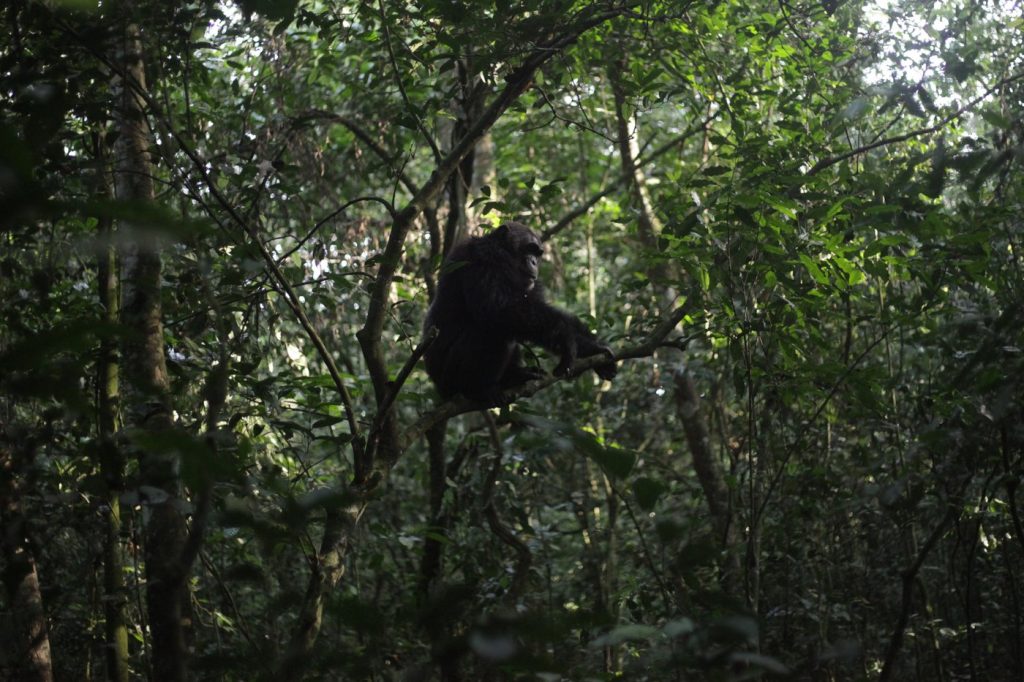
Kibale National Park, located in western Uganda, is recognized as a prime habitat for primates, including a significant population of chimpanzees. Onesmas Ainebyona, a dedicated tracker, plays a crucial role in monitoring the movements of these chimpanzees, particularly a well-known alpha male named Jean. The process requires not only patience but also a deep commitment to establishing trust with the chimps, which can take several years.
Ainebyona has spent four years building a rapport with Jean, who has adapted to human presence to the extent that he feigns sleep when tourists visit. The wildlife authorities refer to this gradual acclimatization as "habituation," a term that encapsulates the complex interplay between humans and these intelligent primates. Ainebyona emphasizes the need for passion and care in this challenging role, often remaining in the forest in adverse weather conditions to ensure he is present for the chimps.
The park, which houses approximately 1,000 chimpanzees, is also a significant tourist destination. Visitors, however, cannot track wild chimps due to their unpredictable behavior and tendency to retreat deeper into the forest during human encounters. Instead, guides lead tourists to three habituated groups, which have become accustomed to human observers. The largest group contains over 100 individuals, while Jean's Kisongi group has about 80 members. Despite their habituation, the chimps remain cautious, and full comfort around humans appears limited to select individuals, like Jean.
Ainebyona recalls a pivotal moment in his connection with Jean when the chimp approached him with a wire snare injury on his hand. Ainebyona and his team acted quickly to help, reinforcing the bond between them. Four men, including Ainebyona, work in shifts to habituate Jean's group, spending long hours tracking the chimps' movements and adapting behaviors to build trust. They often mimic the chimps' grunts and movements as they observe them closely, reinforcing a sense of familiarity.
Tourist guide Alex Turyatunga notes that the habituation process is enlightening, highlighting the reciprocal relationship between humans and chimps. The team targets prominent chimpanzees, like Jean, to help others in the group feel more comfortable. The common chimpanzee shares about 99% of its DNA with humans, making their study and conservation crucial not only for science but also for fostering empathy among people regarding their plight. While habituators need to have a passion for their work, their attitude significantly impacts their success in the role, according to Kibale's tourism warden, Ankunda Viola Ariho.
The recognition of chimpanzees as complex emotional beings has been significantly influenced by the research of figures like Jane Goodall, a prominent primatologist who established deep connections with chimps in Tanzania. The IUCN lists chimps as endangered, facing threats such as habitat loss and poaching. Thanks to increased conservation efforts and the establishment of Kibale National Park as a protected area in 1993, the ecosystem is thriving, allowing for sustainable tourism that directly supports chimp conservation.
With dedicated work such as that of Ainebyona and his colleagues, they are not only enhancing research opportunities but also fostering a greater understanding of how humans can coexist with these remarkable primates. As they continue to habituate the chimps, they pave the way for future generations to appreciate and learn from these intelligent creatures. The journey into the forest involves an artful blend of patience, observation, and a genuine connection with the wild, embodying the essence of chimp conservation in Kibale National Park.








