

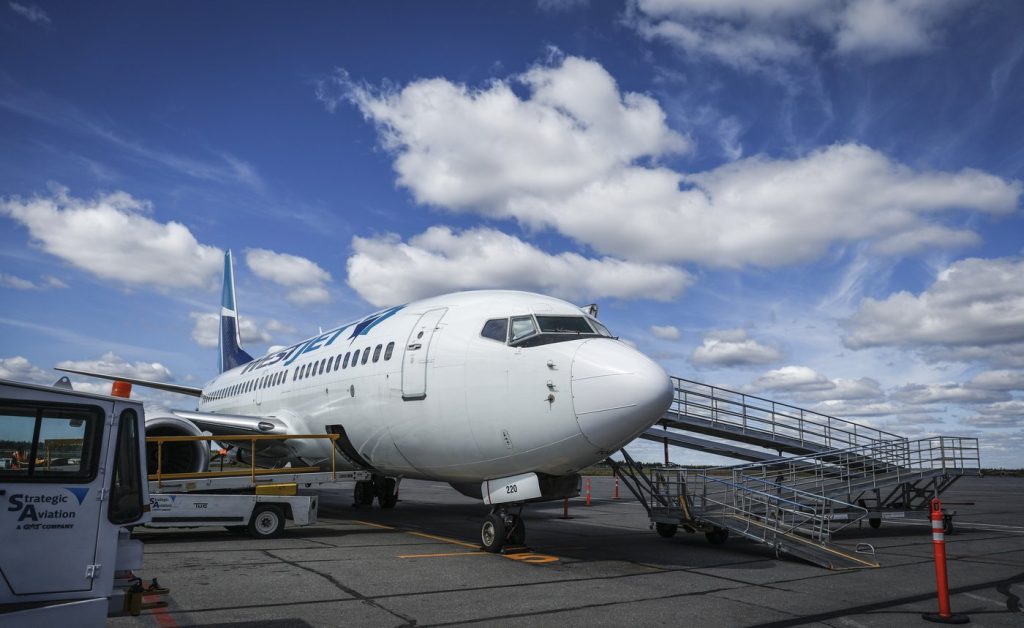
MONTREAL – WestJet Airlines has decided to pause its plan to introduce non-reclining seats across a significant portion of its fleet following feedback from both employees and passengers. Originally, in September, the airline had announced that it would be reconfiguring seating arrangements on 43 of its Boeing 737 jets. This change aimed to create an additional row of seats and segment the cabin into various tiers, with some areas offering more space and priced higher than others.
The proposed changes to the economy seats included a reduction in legroom compared to the previous layout. The new design featured what WestJet referred to as a "fixed recline design," meaning that these seats could not be tilted back, which raised concerns among customers about comfort during flights.
An internal memo, obtained by The Canadian Press, revealed that WestJet's vice-president Robert Antoniuk communicated to staff that the new seating configuration would now only proceed on 22 planes "for the time being." Notably, many of these aircraft already exhibited a tighter seating arrangement.
Antoniuk emphasized that the Calgary-based airline would continue to collect feedback from both guests and employees moving forward, especially in light of complaints regarding the cramped conditions reported by passengers on board. The response from the community reflects a broader concern about passenger comfort in an industry increasingly focused on maximizing revenue through seating density.
As of now, WestJet has not provided any official comments regarding the pause on this seating configuration initiative, leaving many to speculate on the potential long-term implications for the airline's operational strategy.
This news highlights the ongoing challenges that airlines face in balancing profitability with passenger comfort, particularly as they recover from the impacts of the global pandemic that reshaped air travel norms.
Additionally, the airline industry is currently witnessing a significant evolution as companies adapt to changing consumer expectations and preferences while trying to optimize cost structures amidst competitive pressures. The decision to halt the introduction of non-reclining seats could be indicative of WestJet’s willingness to prioritize customer satisfaction and employee input in its operational decisions.
Ultimately, the evolving dynamics of airline seating configurations will continue to be a topic of discussion as both industry players and passengers advocate for a balance between affordable travel options and adequate comfort during flights.








