

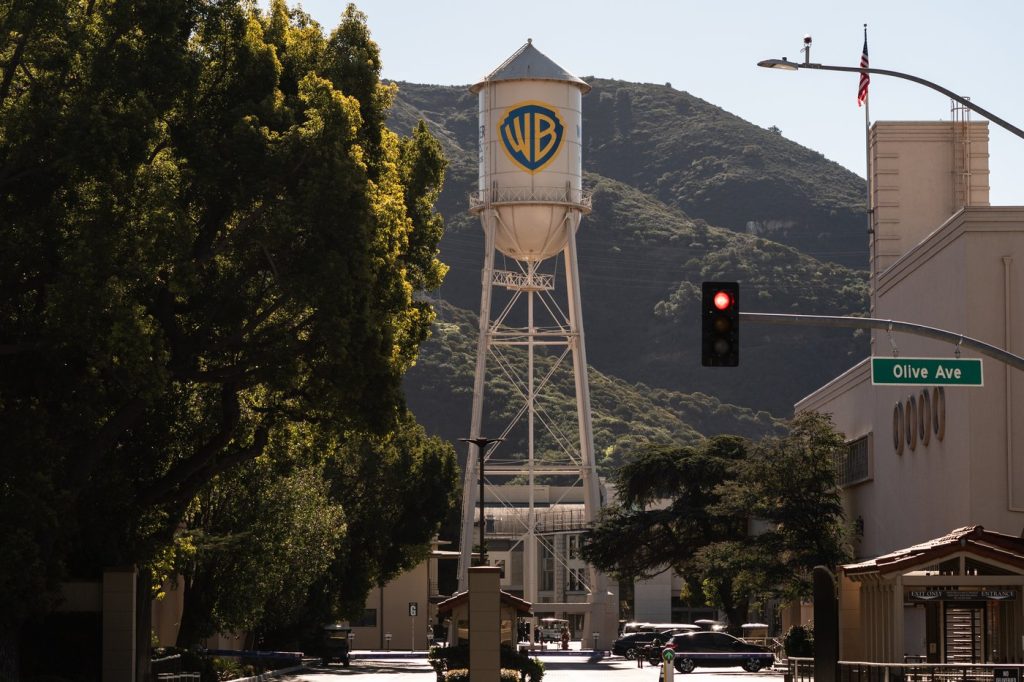
NEW YORK (AP) - Warner Bros. is urging its shareholders to reject a $77.9 billion hostile takeover bid from Paramount Skydance, asserting that the $72 billion buyout offer from Netflix is superior. Paramount launched its hostile bid last week, actively encouraging Warner shareholders to dismiss the Netflix deal, which the Warner Bros. board supports.
Paramount's offer stands at $30 per share, which is higher than Netflix's bid at $27.75 per share. A merger involving Warner Bros. with either Paramount or Netflix would significantly alter the dynamics of Hollywood and attract intense scrutiny from U.S. regulators. This scrutiny revolves around implications for filmmaking, streaming services, and, in the case of Paramount, an essential news source for millions.
The competitive offers highlight the potential for combining iconic entertainment properties. Netflix's extensive library boasts hits like “Stranger Things” and “Squid Game,” whereas Paramount owns a Hollywood studio and significant TV networks like CBS and MTV. Warner Bros. holds valuable assets such as Warner Bros. Pictures, HBO, and the Harry Potter franchise, making it a key target for both companies.
Mike Proulx, vice president and research director at Forrester, expressed that whoever secures Warner Bros. will influence the ongoing streaming wars and more. Both bids will likely encounter regulatory hurdles. Notably, former President Donald Trump has commented on this matter, indicating that he perceives the Netflix offer as potentially problematic due to its massive audience reach.
Currently, CEO David Zaslav is open to offers for Warner Bros. Discovery, a stance made evident since at least October, when he indicated possible interest in selling the company or parts of its operations. Paramount has reportedly made six proposals to Warner over a 12-week period before deciding to approach shareholders with its offer, which it claims represents about $79.9 billion in total value. This composition offers cash for Warner's assets, including its cable segments, unlike Netflix's primarily cash-and-stock offering.
Paramount's CEO, Larry Ellison, claimed that his bid is worth roughly $18 billion more in cash compared to Netflix's proposal. This Paramount deal is supported by investors such as Trump’s son-in-law Jared Kushner, as well as funds from Saudi Arabia and Qatar, according to regulatory filings.
Netflix's offer comprises a mix of cash and stock estimated at $27.75 per Warner share, valuing the total at $72 billion, excluding any debt. Importantly, Netflix is not bidding for Warner-owned networks like CNN or Discovery. Initially, the acquisition deal with Netflix was expected to finalize between 12 to 18 months after Warner's planned separation from its cable operations.
Matthew Dolgin, a senior equity analyst at Morningstar, noted the unpredictability surrounding the negotiations, including whether Netflix will enhance its bid following Paramount's competitive offer. He suggested that the presence of a competing proposal increases the likelihood that Warner will eventually be acquired, given that the decision is no longer solely reliant on regulatory scrutiny alone.
Shareholders have until January 8, 2026, to vote on Paramount's tender offer. Another unpredictable factor in this scenario is Trump’s involvement, as he has already expressed concerns that Netflix's offer could pose regulatory challenges due to its expansive audience size. Historical alliances between Trump and key figures in the media industry, including Paramount's CEO, complicate the regulatory landscape further.
The regulatory bodies may express heightened concerns over the Netflix offer due to the enormity of a combined subscription service, since Netflix is already the leading streaming service globally. Conversely, the Paramount deal may generate less apprehension, given its smaller streaming footprint, although the merging of Paramount and Warner's studios could still raise regulatory flags given the limited number of major studios remaining in the market.
This situation reflects a larger trend of consolidation in the media industry, as companies pursue acquisitions to grow amid a maturing streaming market. Warner Bros. Discovery itself emerged from a merger sparked by AT&T Inc., which spun off its WarnerMedia assets and merged them with Discovery Inc. Recent acquisitions across the industry, such as Amazon's purchase of MGM and Disney's acquisition of Fox's entertainment services, further illustrate this ongoing trend toward consolidation.
Proulx encapsulated the current media landscape by stating, "Technology always faces this pattern of startups, lots of different players, legacy companies getting in on the action, and then ultimately lots of consolidation." He predicts that the next phase of consolidation will continue in the streaming sector, particularly as we approach 2026.








