

In a significant yet discreet move, Saudi Arabia has expanded access to its exclusive alcohol store, allowing wealthy foreign residents to purchase alcoholic beverages. This development is part of the kingdom’s broader initiative aimed at liberalization, marking a noticeable shift in the historically ultraconservative nation. The newly permitted group includes non-Muslim expatriates who hold a Premium Residency permit, a status designed for skilled professionals, investors, and entrepreneurs.
The alcohol store, located in the unmarked Diplomatic Quarter of the capital city, Riyadh, initially opened in January 2024 exclusively for non-Muslim diplomats. Although there has been no formal announcement regarding the new policy, the news has circulated, resulting in long queues of vehicles and individuals at the store.
For decades, Saudi Arabia has prohibited the sale and consumption of alcohol, a ban that was instituted in the early 1950s. This recent initiative is perceived as a controlled trial to see how the public responds to the sale of alcohol in the kingdom. The move aligns with the Saudi leadership's efforts to attract tourism, enhance international business relationships, and reduce dependence on crude oil revenues.
Crown Prince Mohammed bin Salman and King Salman have championed a new direction for the kingdom, which also includes opening movie theaters, permitting women to drive, and hosting major music festivals. Still, it's important to note that political dissent remains highly restricted, with severe penalties in place for those who voice opposition.
The store's setup resembles that of a duty-free establishment. Its ownership has not been made public. Strict security measures are enforced, requiring all visitors to undergo eligibility checks and security screenings before entering. Additionally, holders of phones and cameras are not permitted inside, and staff meticulously inspect eyewear for any smart technology.
Customers at the store, who agreed to share their experiences on the condition of anonymity due to the stigma surrounding alcohol, reported that prices are significantly higher than usual. Diplomats benefit from tax exemptions, while Premium Residency holders do not. Although the store is reported to be relatively well-stocked, some patrons indicated that the selection of beer and wine is somewhat limited.
The Premium Residency program is part of Saudi Arabia’s strategy to attract foreign expertise without needing local sponsorship. This residency offers various advantages, including rights to property ownership, business initiation, and family sponsorship, but it comes with strict income or investment requirements to qualify.
Many Saudis and residents seeking to enjoy a drink often travel to nearby Bahrain, where alcohol is legally available to both Muslims and non-Muslims. Weekend and holiday trips to the island are common, with Saudi visitors flocking to enjoy a more relaxed atmosphere. Alternatively, some choose to venture to Dubai in the United Arab Emirates for a more extravagant option. Others resort to illegal alcohol, which can come at a high price, or turn to bootlegged spirits, often created unsafely with dubious materials.
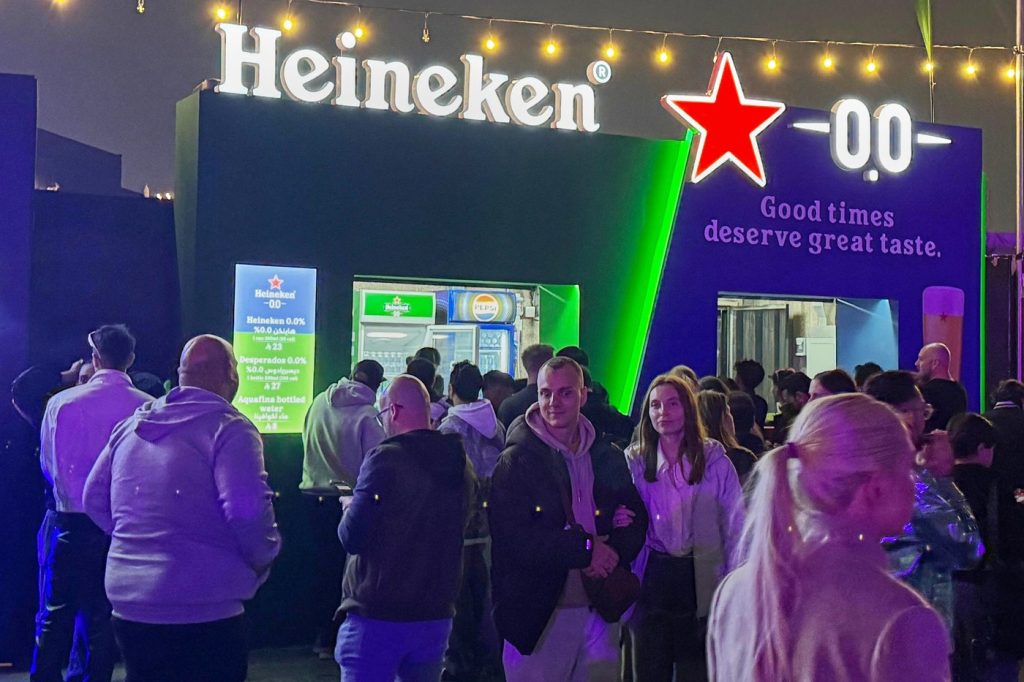
In Saudi Arabia, a segment of the population opts for alcohol-free beverages that mimic the drinking experience. This trend has fostered a culture where gatherings often feature nonalcoholic beer, appealing particularly to younger Saudis and visitors who seek to capture the social ambiance without violating local laws. At many events and festivals, long lines are frequently seen forming at these alcohol-free beverage stands.
The ban on alcohol sales in Saudi Arabia was instituted by King Abdulaziz, the kingdom's founding monarch, following a notorious incident in 1951 involving one of his sons, Prince Mishari. The prince's intoxication led to a deadly encounter with the British vice consul, significantly influencing the country's stance on alcohol.








