

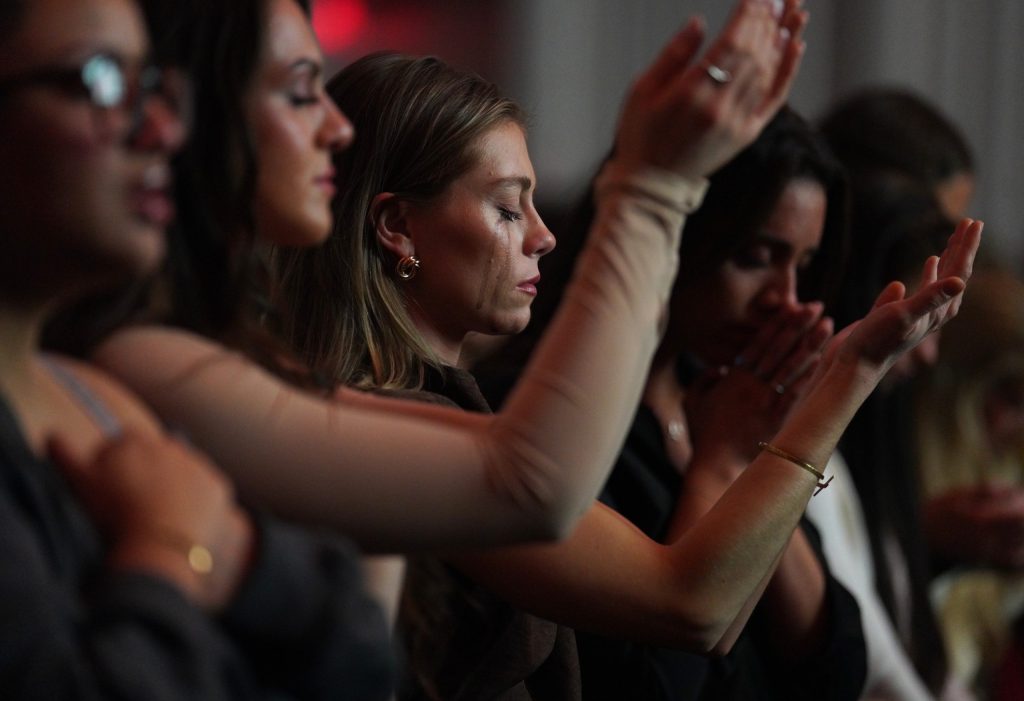
ATLANTA (AP) — Millennial and Generation Z Christian influencers are gradually emerging as pivotal figures in American religion, catering to the spiritual needs of young people through digital platforms. These influencers provide biblical guidance on complex issues that often go unexplored in traditional church settings, thus filling a significant gap in religious discourse.
Megan Ashley, 35, the host of the “In Totality” podcast, explains her role as a supportive figure for her audience. “I can be that in-between — Monday to Saturday help — to give you practical things to make you feel like you’re not walking this walk alone,” she says, describing her mission to offer accessible spiritual counsel.
The influencers hail from diverse backgrounds and openly discuss their struggles, including anxieties about life, doubts in faith, and social issues like dating and culture. Many see their work as a means of galvanizing young individuals seeking meaning in an increasingly secular world. This shift is evident as, according to a Pew Research Center study, only 41% of 18-35-year-olds expressed a strong belief in God in 2023-24—down from 65% in 2007.
Christian rapper and podcaster Lecrae Moore highlights the transformative nature of their messages, stating, “What they’re making accessible is a truth that transforms people.” Faced with declining church attendance, these influencers leverage their online platforms to reach disconnected youth, providing them with a spiritual connection they might be lacking.
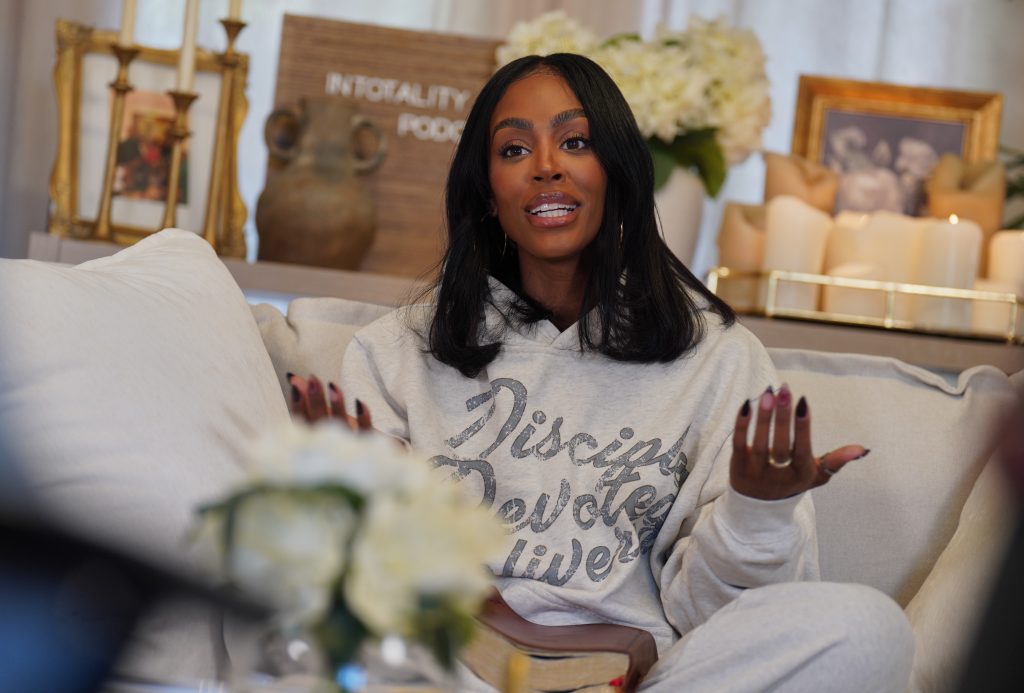
Ashley and Moore represent a small yet influential group of podcasters. Despite their varying levels of formal theological training, they collectively aim to avoid confining their messages within specific denominational boundaries. Many describe an encounter with God that arose during challenging times, which transformed their perspectives and life paths.
“We’re like, listen, we’re two mess-ups too. It’s OK,” shares Arielle Reitsma, 36, co-host of the popular podcast “Girls Gone Bible.” With over a million listens or streams each month, Reitsma and her co-host Angela Halili, 29, emphasize openness about their past struggles in an effort to resonate with their listeners.
Connecting Online and in Person
These tech-savvy podcasters maintain a historical lineage with Christian celebrities, drawing parallels to figures like televangelist Billy Graham. According to Zachary Sheldon, a Baylor University lecturer, these influencers possess the unique ability to reach audiences more efficiently than traditional congregations and established organizations can. Their work encourages spiritual curiosity and provides a platform for challenging conventional beliefs.
Despite their increasing popularity, some of these influencers also face criticisms for their celebrity status and social media savvy. Recognizing the growing disconnect among young Americans from traditional religious practices, they have become advocates for church attendance and community engagement, striving to connect with those who feel alienated from faith.

According to Halili, “People are spiritually hungry, emotionally hungry, and I think for the first time ever... people are encountering Jesus even through online platforms.” This perspective reflects the evolving nature of faith engagement among youth, moving beyond traditional church walls.
Ashley emphasizes that while seeking joy through faith is important, the Christian journey can be fraught with challenges. “God does make everything better, but that doesn’t always come in the way that we think it’s gonna come,” she notes, pointing toward the biblical concept of sacrifice as a means to deepen one's relationship with God.
Ruffling Feathers and Facing Challenges
Influencers like Jackie Hill Perry, 36, and her husband Preston Perry, 39, use their platform to discuss weighty subjects like race, addiction, and the complexities of faith. They aim to be honest and confront cultural issues, encouraging listeners to grapple with their faith and the world around them.
In their podcasts, these influencers advocate for transparency in navigating difficulties, incorporating prayer and scripture as vital components of growth. Bryce Crawford, 22, focuses on street evangelism, aiming to communicate kindness rather than condemnation when discussing faith with those from different beliefs.
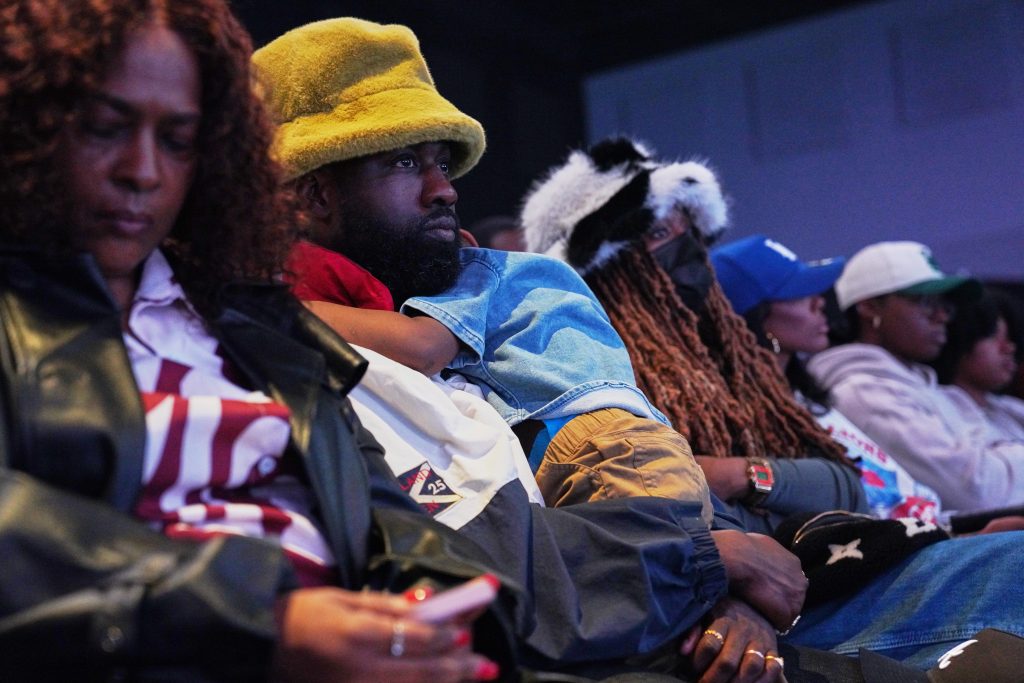
While they acknowledge the potential challenges of their online presence, such as focusing too much on social media drama, this new wave of influencers continues to resonate with young individuals. They provide an alternative to traditional religious figures, speaking to a generation disillusioned by conventional teachings.
As Olivia Singleton, 24, observes, “I really needed someone who was a younger Black female portraying something that wasn’t super traditional.” This sentiment reflects a broader desire for relatability and authentic engagement in the spiritual journey among today's youth.








