

BANGKOK (AP) — Foreign ministers from Southeast Asia convened in Kuala Lumpur, Malaysia, on Monday for a special meeting focused on the escalating border conflict between Thailand and Cambodia, which transformed into deadly clashes two weeks ago. This gathering marked the second instance in 2023 where the Association of Southeast Asian Nations (ASEAN) acted as a mediator to encourage de-escalation between the two member states.
The recent hostilities broke a ceasefire initiated by U.S. President Donald Trump in July, which had momentarily halted five days of combat. This agreement, negotiated under pressure from Trump, involved the threat of trade privilege suspensions unless Thailand and Cambodia reached an accord. The ceasefire was further detailed at an October regional summit in Malaysia that Trump also attended.
International attention has sharpened amid the renewed fighting. The U.S. Department of State issued a statement on Sunday urging both nations to "end hostilities, withdraw heavy weapons, cease emplacement of landmines, and fully implement the Kuala Lumpur Peace Accords." These accords include provisions for expediting humanitarian demining and resolving border disputes.
Thai Foreign Minister Sihasak Phuangketkeow expressed through social media that he had a conversation with U.S. Secretary of State Marco Rubio, emphasizing Thailand's commitment to pursuing a ceasefire and outlining a "clear path forward." He assured that Thailand would engage constructively during the Kuala Lumpur meeting.
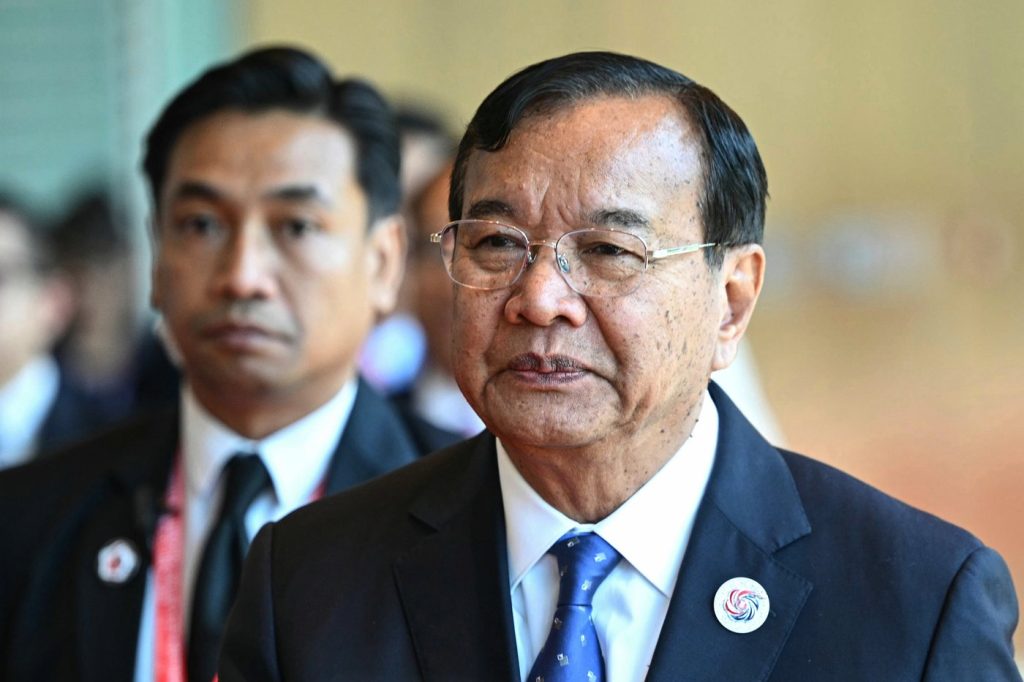
Cambodia's Foreign Minister Prak Sokhonn also planned to attend the assembly, with the Ministry of Foreign Affairs reiterating the country’s stance on resolving disputes through peaceful dialogue and diplomacy. The current fighting stems from a territorial dispute along the shared border, specifically over areas claimed by both nations.
The latest round of clashes began on December 8, following a border skirmish that injured two Thai soldiers. Since then, combat has erupted on multiple fronts, with Thailand conducting airstrikes in Cambodia using F-16 fighter jets. In retaliation, Cambodia has fired thousands of BM-21 rockets from truck-mounted launchers capable of simultaneously launching up to 40 rockets.
Reports indicate that over two dozen individuals have been officially recorded as fatalities in the latest week of fighting, while more than half a million people have been displaced as a consequence of the conflict. Under the ceasefire agreed in October, Thailand was supposed to release 18 Cambodian soldiers who were detained, and both nations were to start the process of removing heavy weapons and land mines from the border area. However, a continuous propaganda battle and sporadic violence have persisted.
Land mine incidents pose a particularly sensitive issue for Thailand, which has lodged multiple protests against Cambodia, alleging that new mines have been laid, resulting in injuries to its soldiers patrolling the border. Cambodia maintains that the mines are remnants from its civil war, which came to an end in 1999. Recently, a Thai marine reportedly sustained serious injuries from stepping on a landmine.
The Thai navy has claimed to have uncovered numerous abandoned weapons and explosives while securing an area described as a Cambodian stronghold, indicating "deliberate planning and intentional use of anti-personnel landmines" against Thai forces. In response, the Thai Foreign Ministry announced plans to send letters of protest to Cambodia and Zambia, the current chair of the Anti-Personnel Mine Ban Convention, seeking further action under the convention’s mechanisms. However, Cambodia has not yet responded to these allegations.








