

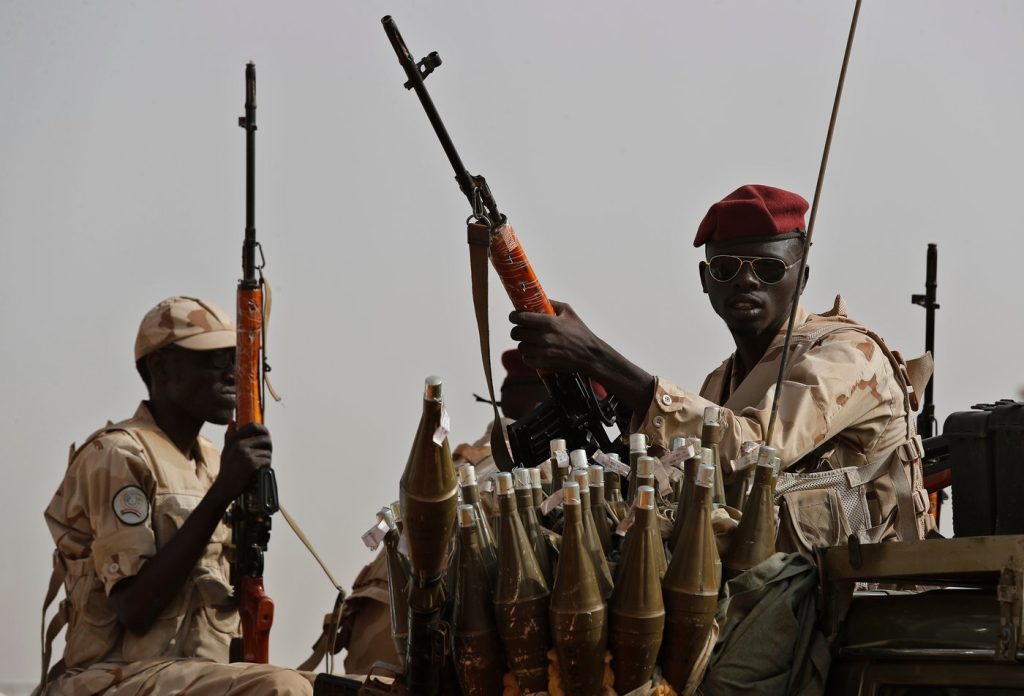
UNITED NATIONS - Sudan's Prime Minister, Kamil Idris, on Monday introduced a comprehensive peace initiative aimed at concluding a nearly 1,000-day conflict with the rival paramilitary group, the Rapid Support Forces (RSF). The initiative comes amid increasing calls from the United States for both factions to embrace a humanitarian truce proposed by the previous Trump administration.
Idris addressed the U.N. Security Council, outlining a plan that includes a ceasefire monitored by the United Nations, African Union, and Arab League, alongside the withdrawal of RSF fighters from occupied regions. He emphasized that these forces should be relocated to supervised camps and disarmed completely.
The conflict in Sudan erupted in April 2023, driven by a power struggle between the military and the RSF. This violence has led to widespread atrocities including mass killings, sexual violence, and ethnically motivated attacks, amounting to what many international organizations classify as war crimes and crimes against humanity.
Considering the RSF's interests, it seems improbable that the paramilitary group would endorse Idris's proposal, as it significantly undermines their military strength. Idris pointedly referred to the U.S.-backed truce negotiations involving Saudi Arabia, Egypt, and the UAE, collectively known as the Quad, asserting that his initiative is "homemade — not imposed on us."
In early November, the RSF had acknowledged a humanitarian truce but specified that the military would only agree to such terms if the RSF withdrew from civilian zones and laid down their arms—conditions that align closely with Idris's latest proposal. The Prime Minister underscored the necessity of confining paramilitary forces to camps to ensure the success of any truce.
Idris challenged the 15 members of the Security Council to support his initiative, claiming that it represents a pivotal moment for Sudan to step back from its current crisis and urging the international community to be remembered as a partner in recovery rather than a bystander to its downfall.
Jeffrey Bartos, the U.S. deputy ambassador, addressed the Security Council prior to Idris, reiterating the Trump administration's call for an immediate humanitarian truce. He condemned the violence in Darfur and Kordofan and stressed the need for accountability for the atrocities committed by both the Sudanese Armed Forces and the RSF.
UAE Ambassador Mohamed Abushahab emphasized the immediate opportunity for humanitarian intervention, calling for a truce that should ultimately transition into a permanent ceasefire and a pathway to civilian governance free from the influence of the warring factions.
U.N. Assistant Secretary-General for political affairs, Khaled Khiari, expressed growing concerns among council members regarding the ongoing war, which has been exacerbated by the influx of advanced weaponry. He criticized unnamed nations for continuing to supply arms and condemned both fighting forces for their unwillingness to compromise or de-escalate the violence.
According to U.N. figures, the brutal conflict has resulted in over 40,000 fatalities; however, aid organizations suggest the real number could be significantly higher. This war has engendered the world's most severe humanitarian crisis, with more than 14 million people displaced and widespread outbreaks of disease and famine.








