

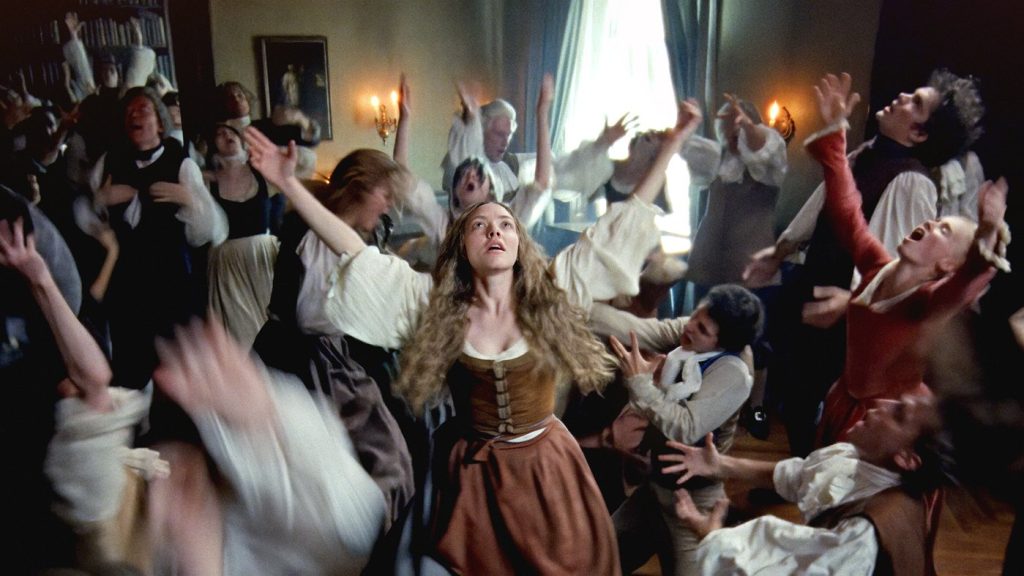
Filmmakers Mona Fastvold and Brady Corbet have shown a deep fascination with ambition and the lives of dreamers, particularly those who pursue their lofty goals at great personal cost. Their latest collaboration, "The Testament of Ann Lee,” explores the life of a historical figure through an innovative lens, featuring the extraordinary performance of Amanda Seyfried as the Shaker leader, Ann Lee.
This film follows Fastvold and Corbet’s previous project, “The Brutalist,” which won Adrien Brody an Oscar. While Brody's character, Lázló Tóth, is a fictional architect, Ann Lee was a real person known for her devout spirituality and visionary experiences. Unlike the more widely recognized aspects of Shaker culture, such as their furniture, Lee’s life story remains relatively untold, making it ripe for exploration in film.
“The Testament of Ann Lee” is a unique film—an 18th-century religious musical that channels the agony and ecstasy of Lee’s life through traditional hymns and dance sequences. Fastvold's artistic vision shines brightly throughout the film, making it a distinctive representation of a challenging subject matter that may not resonate with all audiences. Seyfried’s performance is particularly noteworthy, allowing her to showcase a raw depth of emotion that highlights the character's trials and tribulations.
The narrative is structured into chapters, marking significant moments in Lee’s life. The film begins in Manchester, England, in the year 1736, where Ann, born to a blacksmith, experiences profound visions from a young age. Her encounters with her parents are jarring, especially as Lee is repulsed by the sight of their physical intimacy. Seeking a spiritual purpose, she finds herself drawn to a female preacher, a defining moment that introduces her to the Shakers—a group known for their ecstatic worship and intense confession practices.
Ann’s life takes a tumultuous turn when she marries a locksmith and bears four children, all of whom die before their first birthdays. This personal tragedy leads her to a deeper commitment to her faith, where she begins to practice celibacy after believing that her family's misfortunes are a divine punishment for her sexual relationships.
The film's second chapter depicts Ann’s perilous journey across the Atlantic to establish a Shaker community in the New World. The filmmakers went to great lengths, locating an actual 18th-century ship for authenticity. Through storms and near disaster, Ann and her followers arrive in New York City just before the American Revolution, where they face numerous challenges in building their community.
As the narrative progresses, the Shaker community grows and flourishes in upstate New York, where they develop a furniture-making enterprise as their source of income. Key themes such as celibacy, gender equality, and a pursuit of utopian ideals are central to their way of life. However, their beliefs also draw hostility from the surrounding society, culminating in a violent scene where a mob attacks a Shaker recruitment house. This striking imagery raises questions about the ability of such communities to coexist in a hostile world.
Despite the heart-wrenching content, Seyfried’s performance is remarkable. She spent significant time preparing for this role, including a year of studying the 18th-century Manchester accent, and her singing and dancing feel wholly integrated with her character. The visceral portrayal of childbirth and the sorrow of losing her children marks a powerful highlight of the film, urging viewers to confront the emotional depths of Lee's experiences.
Rated R by the Motion Picture Association for its graphic content, The Testament of Ann Lee runs for 137 minutes and represents an ambitious storytelling effort that intertwines history, spirituality, and artistic expression. With a current cinematic landscape rich in narratives exploring human sacrifice and ambition, Fastvold and Corbet’s creation stands out not only for its unique premise but for Seyfried's breathtaking performance.








