

COLUMBUS, Ohio (AP) – Muslim American comedian, writer, and actor Mo Amer, of Palestinian descent, has made waves in the entertainment industry by creating content that reflects his personal experiences. His critically acclaimed dramedy series, "Mo," has gained significant attention for its authentic portrayal of Mo Najjar and his family’s struggles as Palestinian refugees seeking asylum in the United States. The second season of the show continues to explore their complex journey, demonstrating a growing trend in television where Arab American and Muslim American storytellers present nuanced narratives that challenge longstanding stereotypes.
According to Amer, writing from personal experience and integrating cultural backgrounds enhances the authenticity of a show. He noted, "Whenever you want to make a grounded show that feels very real and authentic to the story and their cultural background, you write to that." This approach allows audiences to resonate with the characters and their experiences, fostering deeper connections. The series' second season begins with Najjar running a falafel taco stand in Mexico and facing challenges such as being caught in a van transporting stolen olive trees across the U.S.-Mexico border, further showcasing the challenges faced by refugees.
Both seasons of Mo have been hits on Netflix, with the first season earning a Peabody Award. Additionally, Amer's third stand-up special, Mo Amer: Wild World, debuted in October. Although the narrative concludes before the recent Hamas attack in Israel on October 7, 2023, the show does not shy away from exploring themes related to Israeli-Palestinian relations, the ongoing Gaza conflict, and the experiences of asylum seekers detained by U.S. Immigration and Customs Enforcement.
Other notable programs contributing to this wave include "Muslim Matchmaker," hosted by matchmakers Hoda Abrahim and Yasmin Elhady, which connects Muslim Americans in the search for partners, and the animated series #1 Happy Family USA, created by Ramy Youssef. This series depicts the life of an Egyptian American Muslim family in New Jersey, set against the backdrop of the post-9/11 landscape.
Sahar Mohamed Khamis, a professor at the University of Maryland specializing in Arab and Muslim representation in media, emphasizes the significance of historical, political, cultural, and social contexts in understanding character portrayals. Since the aftermath of the September 11 attacks in 2001, Arabs and Muslims have often been depicted as villains in American media, and their ethnicity has been conflated with Islam. Khamis argues that these portrayals perpetuate harmful stereotypes, often featuring characters who are terrorists or caricatures of wealth and sexuality.
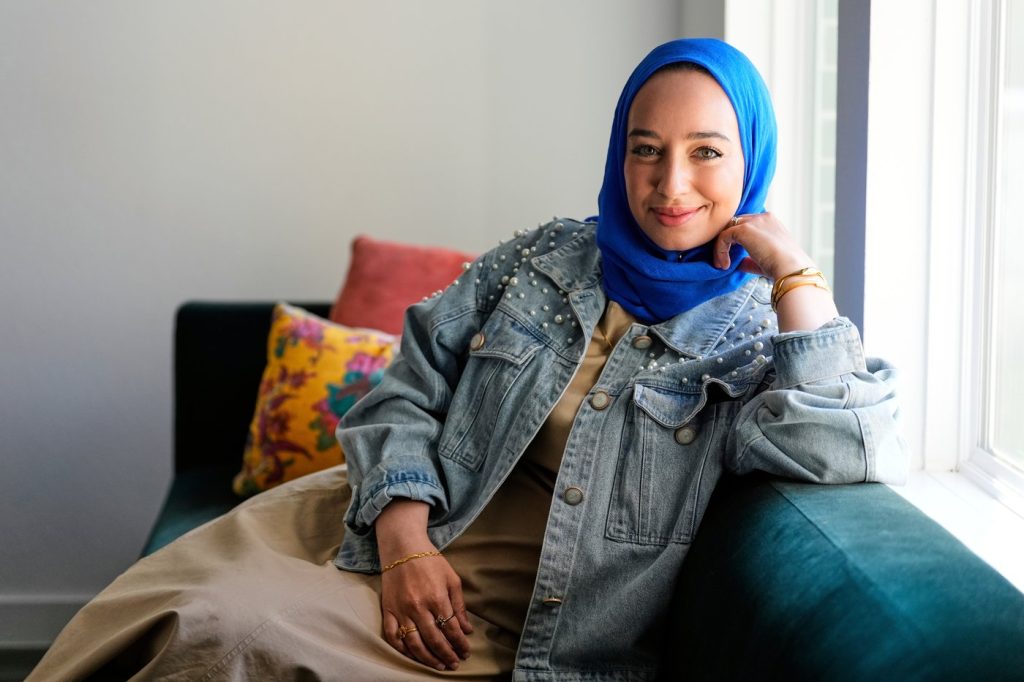
Elhady, one of the hosts of "Muslim Matchmaker," believes such shows are pivotal in reframing perceptions of Muslim Americans, advocating for representation that reflects the diversity and dual realities of their lives. Before 9/11, media often depicted people from the Middle East in an exoticized manner, lacking agency and relegated to outdated tropes. This understanding aligns with Edward Said's concept of "orientalism," critiquing the outsider's gaze that shaped these representations.
Despite recent successes, industry professionals like Sanaz Alesafar, executive director of Storyline Partners, stress the need for continued diverse storytelling that authentically portrays people from the Middle East and its diaspora. Alesafar points out that while victories such as "Mo" and "Muslim Matchmaker" are significant, the industry still often confines these narratives to familiar tropes. Deana Nassar, head of creative talent at Alamiya Filmed Entertainment, highlights the importance of representation for the self-image of children from these backgrounds, advocating for more diverse decision-makers in Hollywood to enhance authentic storytelling.
A recent study by the Institute for Social Policy and Understanding reveals that positive representation of Muslims can lead to more favorable views on public policy and a reduction in anti-Muslim sentiment, underscoring the impact of character portrayals on societal attitudes. For Mo Amer, the challenge lies in gaining industry recognition and opportunities for creators like himself. He remains optimistic about the future, stating, "Just keep writing... keep creating and keep making."








