

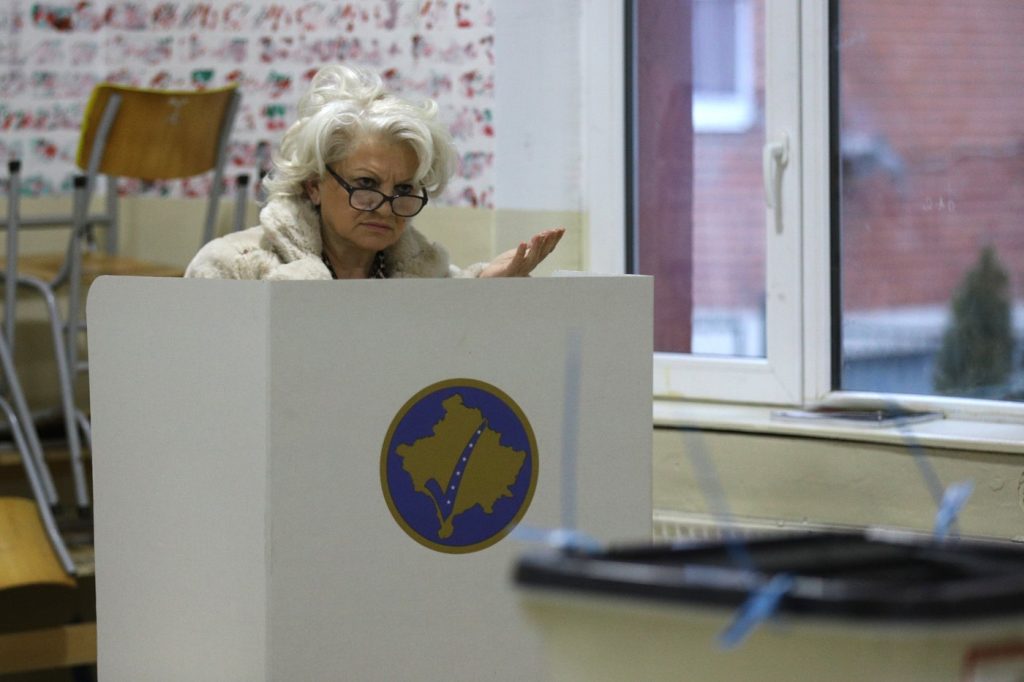
PRISTINA, Kosovo (AP) – Voters in Kosovo participated in an early parliamentary election on Sunday, aiming to resolve a political deadlock that has persisted throughout much of the year. The snap election was called after Prime Minister Albin Kurti's governing party, Vetevendosje (Self-Determination), was unable to form a government despite winning the most votes in a February 9 election.
This political stalemate is significant as it marks the first instance since Kosovo declared independence from Serbia in 2008, following a 1998-99 war that ended with NATO intervention, that the nation has failed to establish a functioning government. While Kurti's party remains the frontrunner, it is uncertain whether it will secure a majority in the 120-member parliament this time, particularly after traditional parties have turned down any potential alliances.
As per Kosovo's electoral laws, 20 seats in the parliament are automatically designated for representatives of ethnic Serbs and other minority parties. Should another inconclusive election result occur, the existing crisis may worsen, particularly as Kosovo has yet to ratify a budget for the upcoming year, raising concerns about the potential negative repercussions for the economy, which struggles amidst poverty prevalent in the nation of approximately 2 million people.
In addition to the parliamentary election, lawmakers will be tasked with electing a new president in March, as the current president, Vjosa Osmani, is set to complete her term in early April. Failure to elect a new president would necessitate yet another snap election.
The main opposition parties, the Democratic League of Kosovo and the Democratic Party of Kosovo, have publicly criticized Kurti, alleging authoritarian tendencies and a tendency to alienate Kosovo's allies in the United States and the European Union since taking office in 2021. Kurti, a former political prisoner from the period of Serbian governance in Kosovo, has adopted a hardline stance in EU-mediated discussions aimed at normalizing relations with Serbia, which has led to punitive measures from both the EU and the U.S.
Kurti has committed to enhancing security by purchasing military equipment. In the previous election, his party garnered around 42% of the votes, while the two leading opposition parties collectively received about 40%. Analysts suggest that even minor shifts in voter turnout could significantly influence the political landscape, although the outcomes remain uncertain.
Ilmi Deliu, a 71-year-old pensioner from Pristina, expressed his hope for change, warning that without it, Kosovo could face a dire future. “Young people no longer want to live here,” he lamented.
In 2023, tensions with the ethnic Serb population in northern Kosovo escalated, resulting in clashes where numerous NATO-led peacekeepers sustained injuries. However, there was a positive development when ethnic Serb mayors assumed office peacefully following a municipal election earlier this month.
Kurti has also agreed to accept third-country migrants deported from the U.S. under stringent immigration policies instituted during former President Donald Trump's administration. So far, only one migrant has arrived in Kosovo.
Kosovo remains one of the weakest economies in Europe and is among six Western Balkan countries aspiring for eventual EU membership. However, both Kosovo and Serbia have been instructed to first normalize their relations before any accession talks can proceed.








