

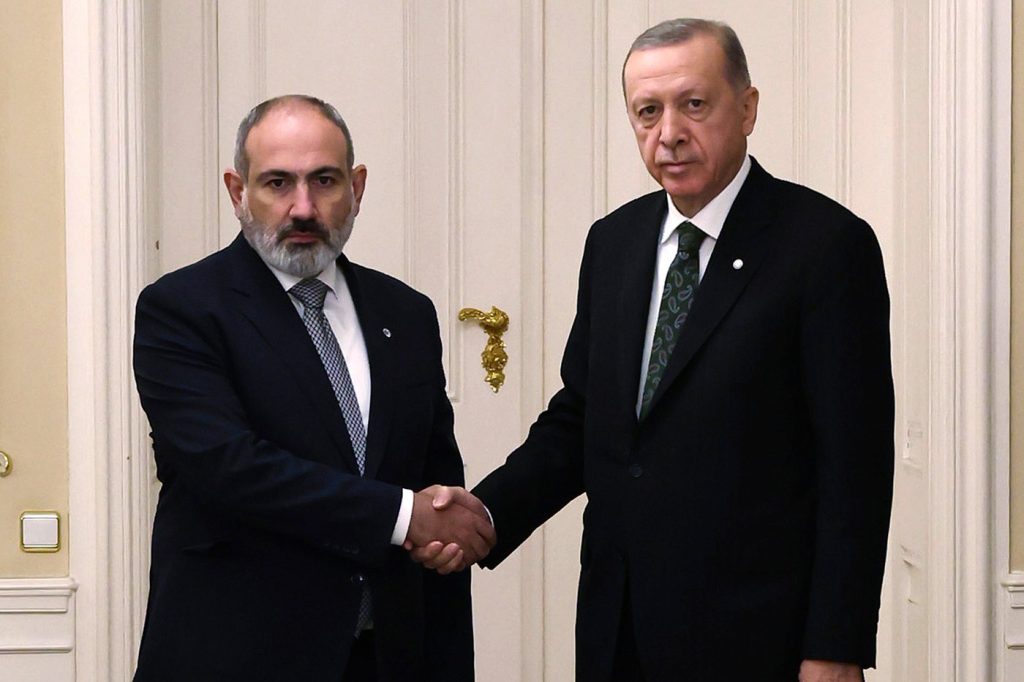
ANKARA, Turkey - Turkey and Armenia have reached an agreement to simplify visa procedures, marking a significant step in their ongoing efforts to normalize diplomatic relations. This development was confirmed by Turkey's Foreign Ministry on Monday, and it aims to facilitate travel between the two nations.
Historically, relations between Turkey and Armenia have been fraught with tensions stemming from long-standing grievances, particularly related to the early 20th century massacres of Armenians during the Ottoman Empire. Additionally, Turkey's strong alliance with Azerbaijan has further complicated their interactions. As a result, Turkey and Armenia have maintained no formal diplomatic ties, with their shared border remaining closed since the 1990s.
Despite this strained history, both countries signaled a willingness to pursue normalization in 2021, during which they appointed special envoys to address issues of reconciliation and the potential reopening of their border. These talks have coincided with broader efforts to de-escalate tensions between Armenia and Azerbaijan, particularly in light of Azerbaijan's military actions in the Nagorno-Karabakh region in 2020.
In its recent announcement, the Turkish Foreign Ministry revealed that as of January 1, holders of diplomatic, special, and service passports from both Turkey and Armenia will be able to apply for electronic visas free of charge. This initiative is seen as a move to enhance bilateral relations and is part of a broader commitment to continue the normalization process without any preconditions.
In addition to the current visa agreement, the historical context between Turkey and Armenia remains complex. Specifically, there is a contentious dispute regarding the deaths of an estimated 1.5 million Armenians, which occurred during 1915 amid the turmoil of the Ottoman Empire. Many historians classify these events as genocide, a characterization that Turkey vehemently denies. Instead, Turkey argues that the death toll has been exaggerated and that those who died were victims of civil conflict rather than a targeted extermination campaign.
As this latest agreement unfolds, it represents a potential thaw in the relations between the two nations, previously hindered by historical grievances and geopolitical alliances. The path toward reconciliation will be closely monitored, as both countries engage in this challenging yet crucial process of normalization.








