

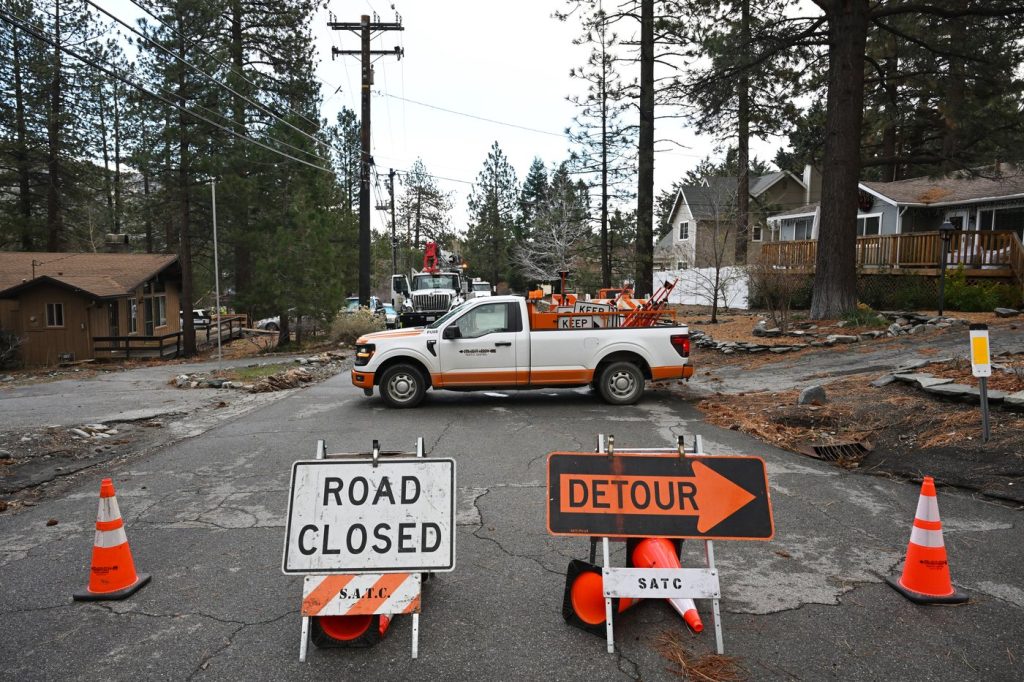
Power outages can result from various incidents, including winter storms, heat waves, wildfires, or accidents involving delivery vehicles. The severity of these outages can vary significantly depending on their duration and the prevailing temperatures outside, which may sometimes lead to serious or fatal consequences. One crucial factor in navigating through a blackout safely is being prepared, as highlighted by Michael Coe, the vice president for physical and cybersecurity programs at the American Public Power Association.
Preparation strategies vary based on individual needs, as noted by Denise Everhart, a disaster executive with the American Red Cross. For instance, households with children, pets, or critical medical devices requiring constant electricity have different preparedness requirements. Coe emphasizes the importance of notifying utility companies about critical medical devices to facilitate proper support during outages. Many utilities offer forms on their websites for such disclosures, and customers can also call for assistance.
In circumstances where an outage poses a risk to safety, evacuation may be the best option, according to Everhart. For those who remain, it is advisable to prepare an emergency kit that should ideally include:
- Two weeks worth of food, water, pet supplies, and necessary medication
- Cash for a week, in case ATMs and credit card machines become inoperable
- Flashlights, glow sticks, or battery-operated lanterns
- Backup phone batteries and charger cords
- Blankets for cold weather or extra water for hot weather
- Contact information for friends and family, written down in case phones lose power
- A solar-powered or hand-crank radio to receive emergency alerts if cellular networks fail
Choosing the right food is crucial, and while items like peanut butter and jelly sandwiches or canned goods are reliable options, preferences may vary, especially for children. Blackouts can create vastly different situations depending on one’s location. For instance, those with gas heating in urban settings may still have access to hot showers, while residents relying on electric heating might face limited water availability.
Matthew Gonzales, executive director for the Consumer Energy Alliance Southwest Region, advises homeowners to fill bathtubs or buckets with water before an outage to facilitate toilet flushing. Furthermore, signing up for emergency alerts from utilities, local law enforcement, and other emergency services ensures immediate awareness of boil water notices, evacuation orders, and other critical announcements.
Once a blackout occurs, it is essential to keep refrigerator doors closed to maintain food temperature; food can remain safe for up to four hours in a refrigerator and up to 48 hours in a freezer if left undisturbed. Prioritize consuming perishable food first, and if the outdoor temperature is as cold as a refrigerator, moving food outside can help maintain its safety, although this method is not foolproof. Always check food quality before consumption.
When it comes to staying warm, options include utilizing fireplaces or furnaces, as well as investing in hand warmers, heated jackets, battery-operated blankets, and portable propane space heaters. However, it’s vital to never leave space heaters or candles unattended due to fire hazards, and generators should never be used indoors due to the risk of carbon monoxide poisoning. If conditions become too extreme, evacuation may be necessary.
In preparation for future outages, individuals should take proactive steps, including learning how to manually open garage doors, designating a spot for keys, organizing paperwork for quick evacuation, developing alternate evacuation routes, and understanding emergency public transportation routes. Investing in larger generators, which typically cost between $500 and $1,000, can also be beneficial for powering essential appliances and keeping devices charged. Additionally, solar battery storage or reverse electric vehicle charging can aid in maintaining power during outages.
Overall, effective preparedness does not have to be complex. Everhart succinctly encapsulates this by stating, “Have a kit, have a plan, have a way to get notified, and a way to notify people.”








