

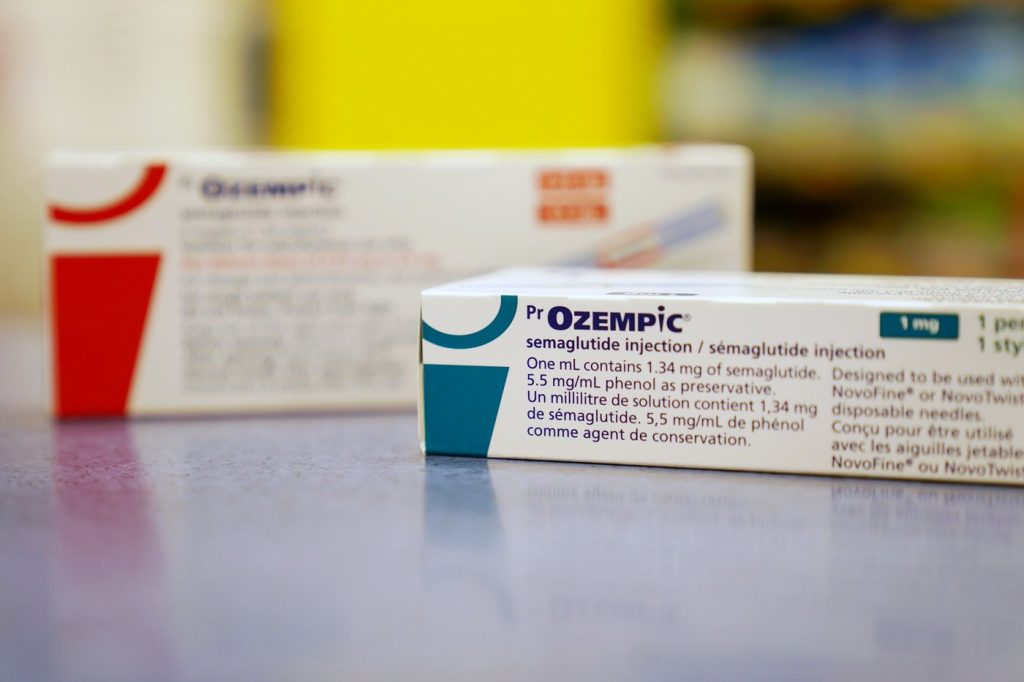
Canadian drug companies are poised to start producing lower-priced generic versions of the diabetes and weight-loss drug Ozempic beginning next week. However, experts advise that patients should not expect these generics to become available for several months. As of December 29, 2023, Health Canada has received nine submissions from various companies seeking approval to manufacture semaglutide, the active ingredient in Ozempic and Wegovy, both trademark products of Novo Nordisk.
Mark Johnson, a spokesperson for Health Canada, noted the high demand for affordable alternatives to this widely prescribed drug. Major pharmaceutical companies including Sandoz Canada, Apotex, Teva Canada, Taro Pharmaceuticals, and Aspen Pharmacare Canada have all submitted applications for Health Canada approval. Most of these companies have refrained from providing specific timelines for when their generic products might be available.
According to Mina Tadrous, a pharmaceutical policy expert from the University of Toronto, it is unlikely that approval for generic semaglutide will be granted before late spring or early summer. He emphasized that Canadian patients should not anticipate seeing the product available in January, as the target timeline for Health Canada’s scientific review of generic submissions is 180 days, without counting additional time needed for supplementary information requests from the drug companies.
The complexity of assessing generic semaglutide products stems from their original biological development, contrasted with the simpler chemical manufacturing methods employed by the generics. Johnson explained that generic manufacturers must demonstrate that their products, while pharmaceutically equivalent, do not compromise safety or efficacy compared to the brand-name drug.
Dr. Ehud Ur, an endocrinologist in Vancouver, expressed excitement about the prospect of prescribing generic semaglutide. He noted that many of his patients could significantly benefit from the medication, but its high cost has barred access for many. Ur anticipates that the introduction of generics could lead to a price drop of up to 65%, making it more accessible for individuals with Type 2 diabetes and obesity.
Although generics are theoretically similar to their brand-name counterparts, Dr. Ur acknowledged that some patients might respond differently to generic medications, leading them to stick with the original. Presently, in Canada, Novo Nordisk has allowed the patent for its semaglutide drugs to expire, which will permit generics to enter the market as of January 4, 2024. However, the company has been tight-lipped about the implications of this development, citing confidentiality regarding intellectual property.
Novo Nordisk Canada president Vince Lamanna highlighted that over a million Canadian patients are currently taking the brand-name medications and assured that the company would remain committed to supporting these patients throughout the transition to generics. Notably, Eli Lilly, a key competitor, still maintains its patent protections for its diabetes and weight-loss treatments, Mounjaro and Zepbound, which do not face imminent expiration.
The active ingredient in Mounjaro and Zepbound, tirzepatide, works on both glucagon-like peptide-1 (GLP-1) and glucose-dependent insulinotropic polypeptide (GIP) hormone receptors, presenting some differentiation advantages compared to semaglutide. While Eli Lilly has expressed confidence in the benefits of tirzepatide, the company did not address inquiries regarding any potential cost-saving measures it might implement in light of the upcoming competition from generic semaglutide.
This newly emerging landscape in diabetes treatment in Canada signifies potential changes in accessibility and affordability for patients who require these medications. With generics on the horizon and significant interest from both consumers and manufacturers, the impact on the healthcare system remains to be fully realized.








