

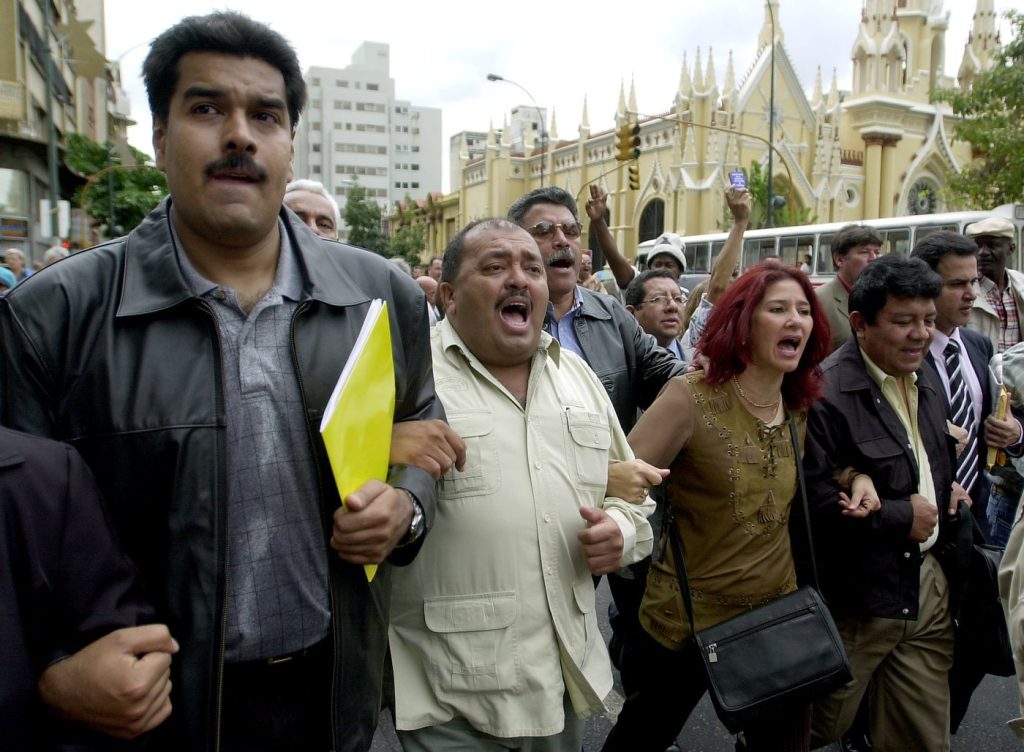
Nicolás Maduro's journey from a unionized bus driver in Caracas to the presidency of Venezuela is marked by significant events and transformative moments. He rose to power following the death of the charismatic leader Hugo Chávez, under whom he served as the Minister of Foreign Affairs and Vice President. Maduro assumed the presidency in March 2013, after Chávez's passing, and aimed to continue Chávez's socialist policies. However, his ten-year tenure has been characterized by increasing political turmoil, economic crisis, and social unrest.
Under Maduro's leadership, Venezuela experienced a profound decline in living standards, with millions of citizens plunged into poverty. The country's economy, primarily reliant on oil, suffered from falling oil prices, mismanagement, and corruption. This led to one of the largest migration crises in the world, with millions of Venezuelans fleeing to neighboring countries in search of better opportunities.
Maduro's presidency has been a period of significant international isolation. The U.S. and various countries in the region imposed sanctions aimed at pressuring Maduro to relinquish power. Despite mounting opposition, Maduro has retained control through a combination of force and manipulation of political processes. He has faced numerous challenges, including protests against his government’s handling of the economy and human rights abuses. Demonstrations against Maduro intensified in 2017, when his efforts to rewrite the constitution sparked widespread backlash.
Throughout his presidency, Maduro has leveraged his close ties to the military and maintained a firm grip on power, despite the U.S. and other nations' attempts to unseat him. His support base includes pro-government lawmakers and loyal military officials, who have played a crucial role in ensuring his survival amid growing unrest. Maduro often invokes the legacy of Chávez, claiming to be the protector of his predecessor's socialist vision, which he insists is under threat from foreign intervention and domestic traitors.
In recent years, Maduro has faced accusations of electoral fraud, particularly during the highly controversial presidential elections in May 2018, which the opposition declared illegitimate. Despite international condemnation, Maduro declared victory and continued to solidify his power, adopting increasingly authoritarian measures to quell dissent.
The situation further escalated when opposition leader Juan Guaidó declared himself interim president in January 2019, garnering immediate recognition from the U.S. and several Latin American countries. This move exacerbated the already tense political landscape, leading to a standoff between Maduro's regime and opposition forces. Over the following years, international sanctions tightened further, aggravating the country’s economic problems and exacerbating the humanitarian crisis, which has seen shortages of food, medicine, and basic services.
As of late 2023, the situation in Venezuela remains precarious, with Maduro attempting to portray stability and recovery while his government grapples with the challenges of governance and legitimacy. Elections are scheduled, and the political landscape continues to evolve, but many questions remain about Maduro's hold on power and the future of Venezuela. The complex interplay of domestic governance, international relations, and economic realities will shape the nation’s trajectory in the years to come.








