

BANGKOK (AP) – Oil prices ticked up early Monday during Asian trading hours as the precious metals market experienced a significant surge. This shift in market sentiment follows the U.S. capture of Venezuelan President Nicolas Maduro during a weekend raid, which has influenced various financial sectors.
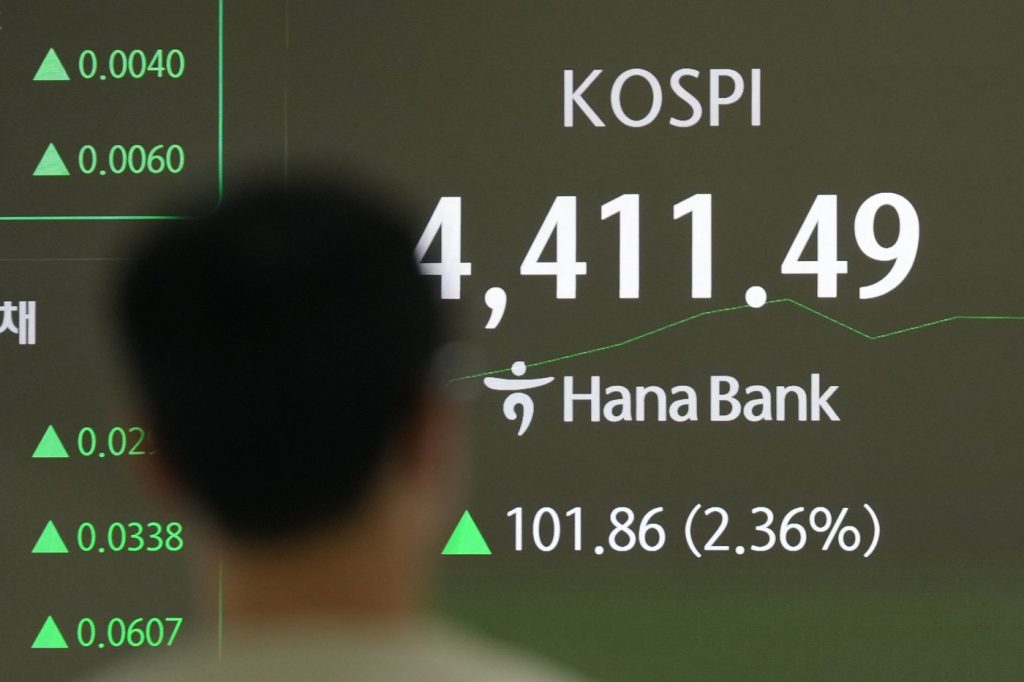
Share markets in Asia opened on a positive note, with major benchmarks in South Korea and Japan hitting record levels. In the U.S., futures showed a mixed performance following slight gains recorded on the previous Friday.
As trading commenced, the U.S. benchmark crude oil gained 12 cents, climbing to $57.44 per barrel. Meanwhile, Brent crude increased by 14 cents, reaching a price of $60.89 per barrel. The backdrop to these movements is Venezuela’s oil industry, which has faced severe decline due to years of international sanctions and neglect. Analysts suggest that with the right investments, Venezuela could potentially double or triple its current oil output of approximately 1.1 million barrels per day in the coming years.
The geopolitical implications of the U.S. action were reflected in the rising prices of gold, up 2%, and silver, which surged by 6%. Platinum also saw a 6% increase. Such commodities are typically viewed as safe-haven assets during times of global unrest, which has heightened investor demand across these markets.
In addition to commodities, Asian share prices soared on Monday. The Nikkei 225 index in Tokyo soared by 2.9%, closing at 51,777.99, marking a record high for the year. South Korea's Kospi index also rose impressively by 2.3% to reach 4,406.55, having previously ended on a high note. Australia’s S&P/ASX 200 experienced a minor gain of 0.1%, totaling 8,735.60, whereas Taiwan's main index increased by 2.1%.
The currency markets mirrored these mixed trends. Early Monday, the U.S. dollar strengthened by 0.2% to 157.15 Japanese yen, while the euro slipped by 0.2% to $1.1702. This movement indicates cautious optimism in the currency market as investors react to the unfolding geopolitical events.
Last Friday marked the beginning of the trading year in the U.S., where stocks saw modest gains during a relatively quiet trading session. The S&P 500 index increased by 0.2% to finish at 6,858.47, following a remarkable yearly gain of over 16% in 2025. The Dow Jones Industrial Average rose by 0.7% to reach 48,382.39, whereas the Nasdaq composite experienced a slight decline of less than 0.1%, landing at 23,235.63. This downturn was largely attributable to losses in major tech stocks, including a 2.2% drop in Microsoft shares and a 2.6% dip in Tesla, which reported its second consecutive year of falling sales.
Prominent companies such as Nvidia, Microsoft, and Tesla hold substantial influence within the stock market, impacting stock price movements significantly throughout trading hours. Additionally, furniture stocks benefitted from President Donald Trump’s recent decision to delay the imposition of increased tariffs on upholstered furniture. Notable gains were observed in shares of RH, which rose by 8%, and Wayfair, which increased by 6.1%.
The ongoing week marks the first full trading week of the year, which is anticipated to bring several key economic updates crucial for market analysts. Among the reports expected are private assessments of the services sector—the largest component of the U.S. economy—alongside consumer sentiment indicators. Additionally, government data concerning the job market will be released, providing insights into the economic status at the close of 2025 and offering projections for the outlook for 2026.








