

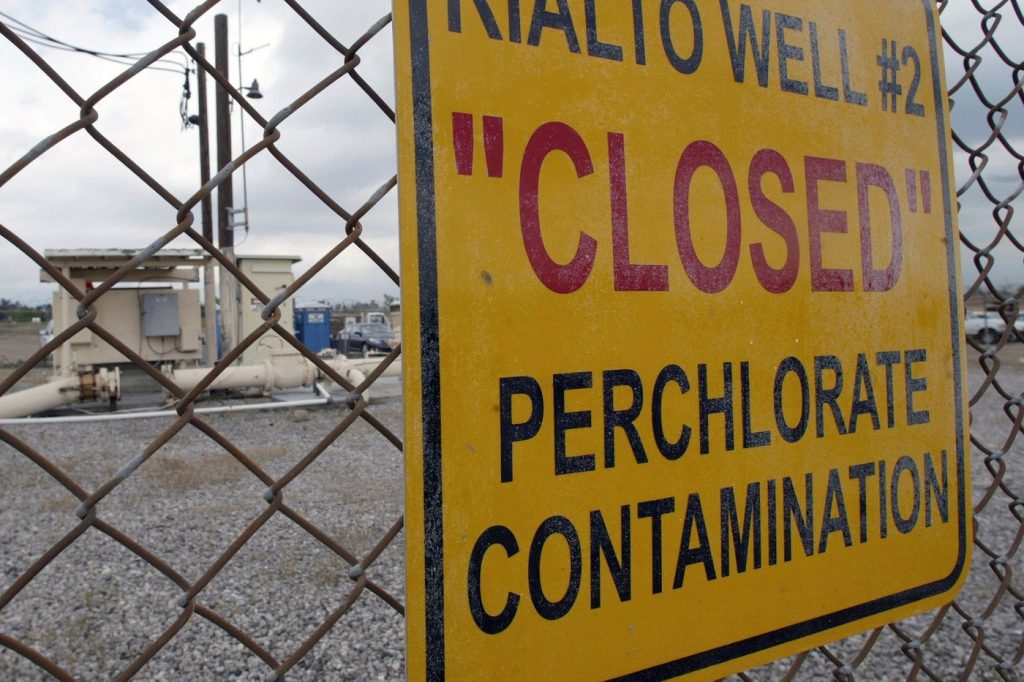
The Environmental Protection Agency (EPA) announced on Monday that it would propose a drinking water limit for perchlorate, a harmful chemical commonly found in rockets and explosives. However, the agency stated that the regulation would not have a significant positive impact on public health and was being implemented primarily in response to a court order. This decision follows a prolonged debate over the regulation of perchlorate that has lasted over a decade.
The EPA is seeking public input on what the strictness of the proposed limits should be, especially considering perchlorate's dangerous effects on infants. As part of the proposal, utilities will also be required to conduct tests for the chemical. Despite the potential regulation, the agency emphasized that the public health benefits do not outweigh the anticipated costs incurred by the majority of water systems. According to the EPA, infrequent occurrences of perchlorate at concerning levels mean that most of the approximately 66,000 water systems that would come under this regulation would face substantial administrative and monitoring expenses without clear public health benefits.
Perchlorate is utilized in the manufacturing of rockets, fireworks, and other explosive materials, but can also occur in nature. It has been reported that, in various defense, aerospace, and manufacturing locations, the chemical has contaminated groundwater, particularly in regions of the Southwest and along parts of the East Coast. Health concerns surrounding perchlorate stem from its interference with thyroid function, which is especially detrimental to the developmental health of children, leading to lower IQ scores and increased behavioral issues.
In 2011, the EPA determined that perchlorate posed a significant enough threat to warrant regulation, affecting an estimated 16 million people. Under the Safe Drinking Water Act, this assessment required the agency to propose and finalize regulations within strict deadlines. However, the EPA did not meet these deadlines. After delaying to update scientific assessments regarding the risks of perchlorate, the nonprofit organization Natural Resources Defense Council (NRDC) filed a lawsuit to compel the agency to take action in 2016.
During the Trump administration, the EPA proposed a regulatory standard that was criticized as being less stringent than any existing state limits, which the NRDC argued could lead to IQ loss in children. By 2020, the EPA reversed course, declaring no need for a standard due to new analyses suggesting that perchlorate was less prevalent and less harmful than previously believed. The agency reaffirmed this position, stating on Monday that its data indicates perchlorate is not widespread in drinking water.
The EPA projected that fewer than one-tenth of 1% of regulated water systems would likely detect perchlorate above any proposed limits. Although the regulation would assist a small number of locations with contamination issues, the agency raised concerns that the vast majority would face unnecessary costs. In response to the NRDC's challenges against its reversal, a federal appeals court mandated that the EPA propose regulations for perchlorate, arguing that it remains a significant public health threat. The EPA will seek public comments on proposed limits of 20, 40, and 80 parts per billion alongside other elements of the proposal.
In light of these developments, Sarah Fort, a senior attorney with NRDC, expressed that the public has the right to know the presence of rocket fuel in their tap water. She acknowledged the EPA's movement, albeit reluctant, toward providing clearer information to the public. Additionally, while EPA Administrator Lee Zeldin has advocated for significant rollbacks of various environmental regulations and supported oil and gas development, the agency’s actions concerning drinking water have appeared more moderate. It announced that it would maintain stringent limits on two commonly found types of harmful "forever chemicals" in drinking water while giving utilities extended compliance timelines and eliminating limits on other types of PFAS.








