

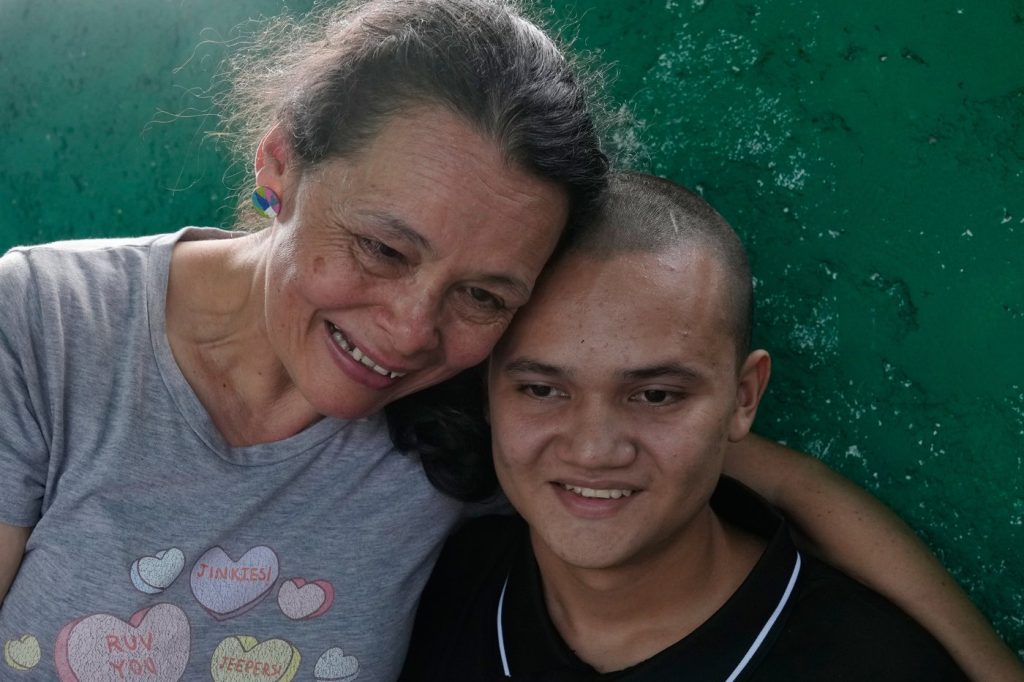
SAN FRANCISCO DE YARE, Venezuela (AP) – After spending a year and five months in prison, Diógenes Angulo was released on Saturday, bringing an emotional reunion with his mother and aunt. The moment was bittersweet as numerous other families patiently awaited similar outcomes for their imprisoned loved ones. Angulo’s release occurred amid a broader government initiative to free a significant number of prisoners, as families gathered outside prisons in Caracas and other regions, hoping for good news about political detainees, activists, journalists, and soldiers.
Angulo, who was detained just two days before the 2024 presidential election for posting a video of an opposition demonstration, expressed gratitude upon his release, saying, “Thank God, I’m going to enjoy my family again.” He reassured that those he left behind were “well” and remained hopeful for their own releases, attributing his strength during the dark period of his detention to his faith.
On the same day of Angulo’s freedom, it was reported that former President Nicolás Maduro had been captured by U.S. forces on January 3 in a nighttime raid in Caracas. The Venezuelan government had earlier announced its commitment to releasing a considerable number of prisoners as a move toward peaceful relations, though specific names or numbers of those considered for release remained undisclosed, leading to heightened anxiety and anticipation among families.
U.S. President Donald Trump acknowledged the release of political prisoners, stating it was executed at Washington's request. On his Truth Social platform, he remarked, “Venezuela has started the process, in a BIG WAY, of releasing their political prisoners,” while expressing hope that the freed detainees would recognize the role the U.S. played in their liberation. Trump’s comments underscored a broader geopolitical dynamic, including threats that any prisoners who forgot this assistance would face consequences.
According to Foro Penal, a Venezuelan human rights organization, only 16 political prisoners had been released as of Saturday night, while approximately 804 remained incarcerated. The family of Rocío San Miguel, a human rights attorney among the first released, indicated that her situation was not full freedom but a precautionary measure and that her media interactions were restricted under terms of her release.
Among those still imprisoned are notable figures from the opposition, including former lawmaker Freddy Superlano and lawyer Perkins Rocha, who represented opposition leader María Corina Machado. Other detainees include Juan Pablo Guanipa, a former governor, and Rafael Tudares, the son-in-law of another opposition presidential candidate Edmundo González.
A week after the U.S. military intervention that took Maduro into custody, pro-government demonstrators took to the streets in several cities, advocating for the return of Maduro and his wife, Cilia Flores. As they marched, they brandished flags and shouted slogans in support of Maduro, signaling continued support despite the ongoing turmoil.
Delcy Rodríguez, acting president of Venezuela, condemned U.S. military actions during a public event, asserting that the government led by Maduro remains intact while referring to his capture as a “kidnapping.” Furthermore, Rodríguez emphasized their commitment to denouncing “criminal aggression” against the country.
In light of the military surges in Caracas, Trump stated that he intended to “run” Venezuela, asserting that U.S. control would lead to prosperity and security for both nations. His comments reflected a desire to access Venezuela's oil resources, promising that these would ultimately benefit the people of both countries.
Recent discussions between the U.S. and Venezuelan governments about potentially restoring diplomatic relations came after years of a rupture since 2019. A U.S. delegation visited Venezuela for negotiations, pointing toward a possible thaw in relations.
Venezuelan Foreign Minister Yván Gil responded to statements from Pope Leo XIV regarding peace and respect for the Venezuelan people's will, reaffirming the country's commitment to sovereignty and inviting the pontiff to witness Venezuela's realities more closely.








