

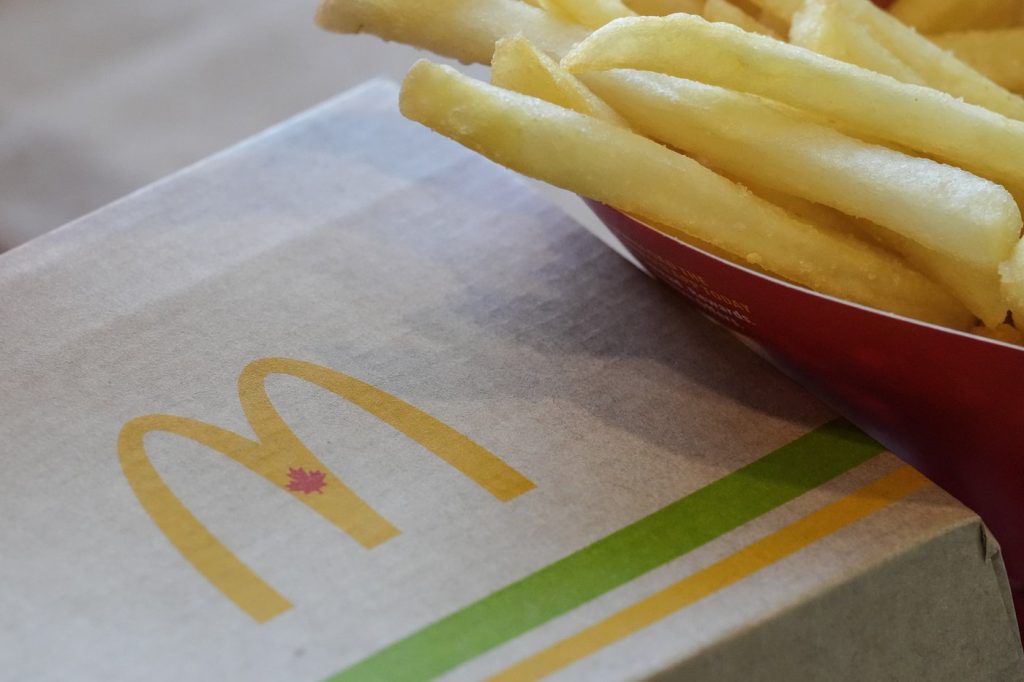
TORONTO - When Annemarie Swijtink took the helm of McDonald’s Canada in September 2025, the fast-food industry was grappling with significant challenges. Rising ground beef prices due to reduced cattle herds, along with climate change and crop diseases affecting coffee supplies, caused a ripple effect in prices, leaving consumers anxious about tariff tensions and rising menu costs.
In an effort to ease the financial burden on Canadians, Swijtink announced a price freeze for small cups of coffee at $1 for at least a year. Additionally, McDonald’s Canada will reduce the price of its McValue meals to $5 for the same duration. Previously priced at around $6 since their introduction in 2024, these meals include options like the Junior Chicken, McDouble, or chicken snack wrap, paired with small fries and a fountain drink. A new McValue breakfast segment features items such as a sausage McMuffin, breakfast burrito, bagel with cream cheese, or a sausage McGriddle, all accompanied by a small coffee and hash brown.
Swijtink emphasized the motivation behind the price freeze, stating, “Canadians are facing challenges and are insecure financially. What we are doing is listening and giving them what they want.” This strategy is made possible due to McDonald’s long-standing relationships with farmers and suppliers—some spanning over 50 years—and the scale of its 1,500 restaurants, which allows the company to locate savings through high-volume purchasing.
The changing public perception of fast food is notable. Consumers have become increasingly budget-conscious, often hesitating before making a purchase. With combo meals reaching upwards of $10, their value perceptions have been negatively impacted. Christopher Kempczinski, global CEO, acknowledged this concern during an August earnings call, stating, “If you’re that consumer, you’re driving up to the restaurant and you’re seeing combo meals could be priced over $10 and that absolutely is shaping value perceptions in a negative way. We’ve got to get that fixed.”
Swijtink, who began her career at McDonald's during high school and previously served as managing director in the Netherlands, recognized the importance of value during her visits to Canadian restaurants. She realized that Canadians are avid coffee drinkers and that prioritizing value is crucial for meeting their expectations. Consequently, she announced that enhancing value would be her top priority for 2026, followed by innovation.
This strategy aligns with broader industry trends, as competing companies like Tim Hortons, Wendy's, and Burger King have also introduced meal deals in Canada, mirroring McDonald's McValue menu offerings. Swijtink views the competition positively, believing that it benefits consumers by elevating industry standards. “The market is really competitive and from a customer perspective, that’s really good because that is always ... elevating the bar for us,” she remarked.
This announcement from McDonald’s Canada marks a significant shift in approach amid challenging economic conditions and consumer sentiment. The strategic pricing initiatives aim to retain customer loyalty while addressing the changing landscape of fast food dining, reflecting a deeper understanding of the Canadian market and its financial climate.








