

KOYA, Iraq (AP) — Recent public tensions have emerged between Reza Pahlavi, the exiled son of Iran's last Shah, and a coalition of Kurdish Iranian dissident groups. This conflict has illuminated the cracks within the Iranian opposition amidst ongoing mass anti-government protests and a violent crackdown, as Iran faces the threat of war if negotiations with the U.S. regarding its nuclear program collapse.
On Sunday, five Kurdish groups publicly announced the creation of the Coalition of Political Forces of Iranian Kurdistan. According to their statement, the coalition's objective is to “struggle for the overthrow of the Islamic Republic of Iran, to achieve the Kurdish people's right to self-determination, and to establish a national and democratic entity based on the political will of the Kurdish nation in Iranian Kurdistan.” This declaration drew sharp criticism from Pahlavi, who has been living in exile for nearly 50 years and seeks to position himself for a potential return if Iran's Shiite theocracy collapses.
The historical context of this tension is significant; during the rule of Pahlavi's father, Shah Mohammad Reza Pahlavi, the Kurdish population was subjected to marginalization and repression. Pahlavi and his supporters have accused Kurdish groups of seeking to partition Iran, further straining relations between them.
Following the Kurdish alliance's announcement, Pahlavi criticized the coalition on social media, labeling their claims as “baseless and contemptible” and accusing them of collaborating with former leaders, including Ayatollah Ruhollah Khomeini and Saddam Hussein. He emphasized that “Iran's territorial integrity is the ultimate red line.” In response, the Kurdish coalition rebuffed Pahlavi's statements as “hysterical and hateful,” pointing out that his family's dynasty was notorious for “the massacre of civilians and suppression of democratic freedoms” for oppressed groups, particularly the Kurds.
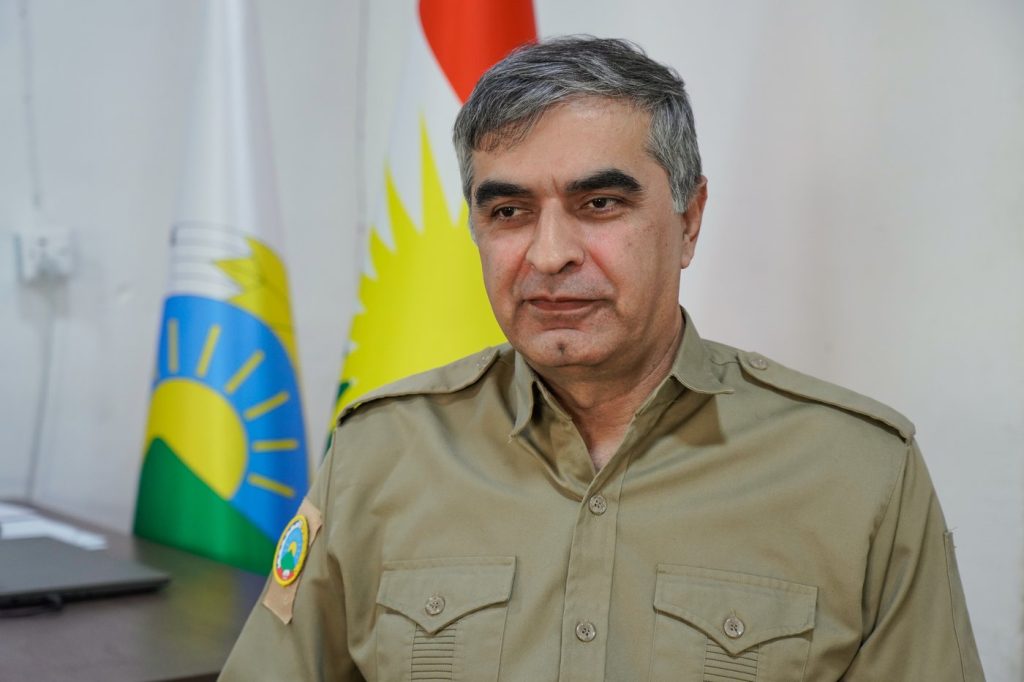
In the aftermath of Iran's 1979 Islamic Revolution, the theocracy engaged in violent conflicts with Kurdish insurgents, leading to the destruction of Kurdish towns and significant loss of life. Karim Parwizi, a senior official of the Kurdistan Democratic Party of Iran—part of the new coalition—stressed their historical experiences of oppression under both the Pahlavi and Islamic Republic regimes, stating, “There’s a threat of fascism returning to Iran, and we’re thinking about how to prevent that from happening.”
The newly formed alliance has yet to outline a clear strategy for military action, although some members, such as the Kurdistan Freedom Party (PAK), have carried out retaliatory attacks against Iran’s paramilitary Revolutionary Guard in response to the Tehran’s crackdown on protests. Parwizi clarified that their armed wings are purely for defense, asserting that the group does not seek to establish an independent Kurdish state or divide Iran.
While support for Pahlavi within Iran remains ambiguous, significant protests erupted in early January following his call to action, with demonstrators expressing support for him during recent student protests. However, experts like Mehrzad Boroujerdi from Missouri University of Science and Technology argue that the growing schism between Pahlavi and Kurdish groups undermines the potential for a unified Iranian opposition. Boroujerdi warns that Pahlavi's inability to unite various factions could hinder his credibility, particularly in seeking support from U.S. policymakers.
The Kurdish groups similarly maintain their own lobbying efforts in Washington and have communicated with U.S. government representatives to garner political backing, though they deny any financial assistance from the U.S. government. This ongoing discord between Pahlavi and the Kurdish coalition poses significant challenges for the Iranian opposition, as they navigate a complex political landscape shaped by historical grievances and contemporary political aspirations.








