

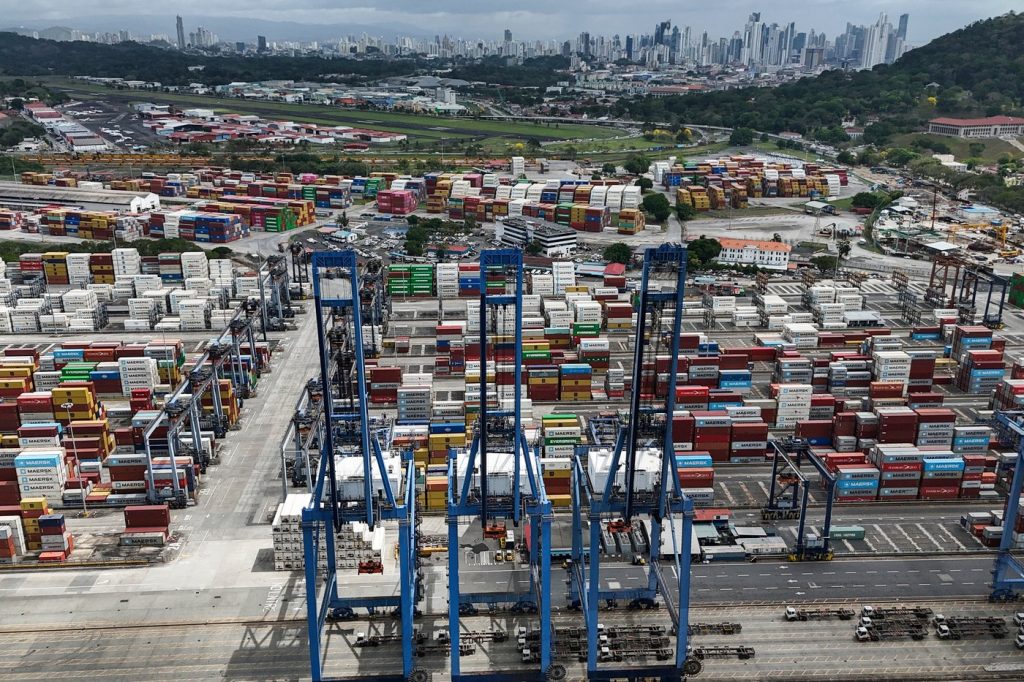
PANAMA CITY (AP) — Two ports located at either end of the Panama Canal, operated by a subsidiary of Hong Kong’s CK Hutchison, have placed Panama in a complex geopolitical conflict between the United States and China. Concerns about Chinese influence over the canal have been long-standing, especially since U.S. President Donald Trump expressed his worries before beginning his second term in office. The Panamanian government has consistently denied claims of Chinese control.
In January 2026, Panama’s Supreme Court ruled that the concession granted to CK Hutchison’s local subsidiary was unconstitutional. Following this decision, the Panamanian government took significant action by occupying the two ports in question and assigning other companies to manage operations until the concession could be reopened for bidding. Subsequent investigations led to the removal of numerous documents from the Panama Ports Company offices.
The reaction from China was swift, with threats of consequences directed at Panama. In response, President José Raúl Mulino cautioned China to “be careful,” asserting that “they need us more than we need them.” This exchange highlights the tense relationship between the two powers over strategic control of the ports, which are critical for international shipping but do not fall under the jurisdiction of the Panama Canal Authority.
The two key ports, Balboa on the Pacific side and Cristobal on the Atlantic side, handle around 39% of all container traffic in Panama. These ports are vital to the country, which, despite not being a large importer or exporter, serves as a crucial logistics hub due to the Panama Canal's international importance. Annually, thousands of large cargo ships arrive from Asia, Europe, and both U.S. coasts, depositing cargo that is then rerouted through smaller channels.
Although the ports have been operated by Panama Ports Company since 1997, audits conducted by Panama's comptroller revealed alleged irregularities regarding the extension of the concession, leading to significant revenue losses for the government. Following the court's ruling, officials announced that a plan was in place to ensure a smooth transition and continued operations at the ports amidst the legal proceedings.
The American government has viewed the presence of a Chinese company operating ports at both ends of the canal as a national security concern. U.S. Secretary of State Marco Rubio voiced clear disapproval during his inaugural overseas visit to Panama, implying that China might disrupt canal traffic if their interests were threatened. Following the transfer of control over the canal to Panama in 1999, these concerns have only intensified due to the geopolitical ramifications inherent in the ports’ operations.
In the aftermath of the Supreme Court's ruling, Panama Ports Company initiated arbitration proceedings, claiming that their rights as an investor were compromised and demanding compensation for damages. According to Panama's Economy Minister Felipe Chapman, the company is seeking around $1.5 billion. The concession allowing CK Hutchison to operate the ports was renewed in 2021 for another 25 years, complicating matters further.
Beijing’s criticism of Panama’s actions has been pointed, condemning the ruling as an submission to “hegemonic powers” and warning of dire political and economic repercussions should Panama not reconsider its stance. The seizure of the ports has sparked further objections from Chinese officials, echoing sentiments of retaliation if their interests are compromised.
As legal battles continue, the Panamanian government remains focused on ensuring the operations of the ports are uninterrupted while establishing a plan for a new operator. Mulino has stated that the court’s decision is definitive and must be adhered to, as the government navigates through the complexities of international relations and domestic legal frameworks surrounding the ports.








