

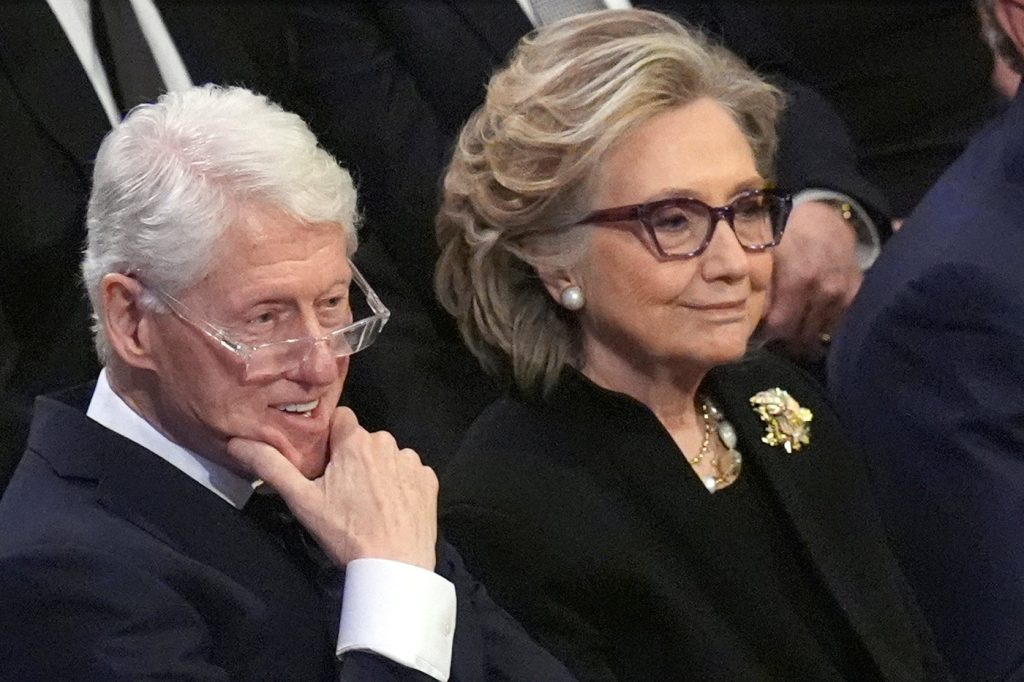
Former President Bill Clinton and former Secretary of State Hillary Clinton have announced their refusal to comply with a congressional subpoena that requires them to testify in an investigation related to Jeffrey Epstein. The Clintons have described the Republican-controlled committee's actions as “legally invalid” and have warned that the proceedings initiated by the GOP lawmakers could lead to "our imprisonment."
In a letter shared on social media, the Clintons addressed Rep. James Comer, the chair of the House Oversight Committee, criticizing the committee's actions. Comer has indicated that he will initiate contempt of Congress proceedings next week, a course of action that is constitutionally complicated and politically delicate, rarely exercised by Congress.
Comer remarked that “no one’s accusing the Clintons of any wrongdoing,” but expressed the need for them to answer questions, underscoring the nature of their connection to Epstein. He pointed out that many people would acknowledge the extensive time the Clintons spent together with Epstein. Bill Clinton did not appear for a scheduled deposition at the House offices, which adds to the committee's frustrations.
Although Bill Clinton has never been implicated in any criminal activities related to Jeffrey Epstein, he had a well-documented friendship with the convicted sex offender during the 1990s and early 2000s. Epstein was arrested in July 2019 on federal sex trafficking charges, but he died by suicide while awaiting trial in a New York jail, an event that sparked significant controversy and scrutiny over his connections to numerous powerful figures, including the Clintons.
The House Oversight Committee's investigation seeks to thoroughly examine Epstein's actions and connections, and the Clintons' past relationship with him has become a focal point in the inquiry. The effort to compel their testimonies marks a significant action by Republicans, as they aim to exert more control over the narrative and legal ramifications surrounding Epstein’s extensive criminal history.
Interestingly, it's notable that while multiple former presidents have voluntarily testified before congressional committees in the past, none have ever been compelled to do so under a subpoena. This raises questions about the institution's respect for former leaders and the politics surrounding the current inquiry.
Moreover, Comer indicated that the committee would not pursue attempts to compel testimony from former President Donald Trump, citing the principle that a sitting president cannot be compelled to testify before Congress. This distinction highlights the political complexities and potential implications involved when dealing with high-profile figures in an investigatory context.
The chapter surrounding the Clintons' refusal to comply with the subpoena and the minority party’s allegations against them is unfolding against the backdrop of ongoing discussions about accountability, power dynamics, and the quest for transparency in Washington. The outcome of this contentious situation may significantly influence the conversations regarding legislative authority and the implications of former political figures' actions in the realm of public service.








