

OTTAWA - Analysts are raising alarms about the ongoing conflict in the Middle East, suggesting it could significantly impact Canada's supply chains and exacerbate price pressures at grocery stores in the near future. The heightened tensions, particularly between Israel and Iran, alongside U.S. involvement, have led to a sharp increase in global oil prices. This situation raises concerns about the potential escalation of the conflict, particularly in the Strait of Hormuz, a vital artery for international energy shipments.
Fraser Johnson, a professor of operations management at the Ivey Business School at Western University, indicates that although Canada does not directly import oil or natural gas from the Gulf region, the ramifications of rising global energy prices will ripple through the economy. He emphasizes that an increase in oil prices typically results in higher freight rates, which are ultimately transferred to consumers in the form of elevated prices for goods.
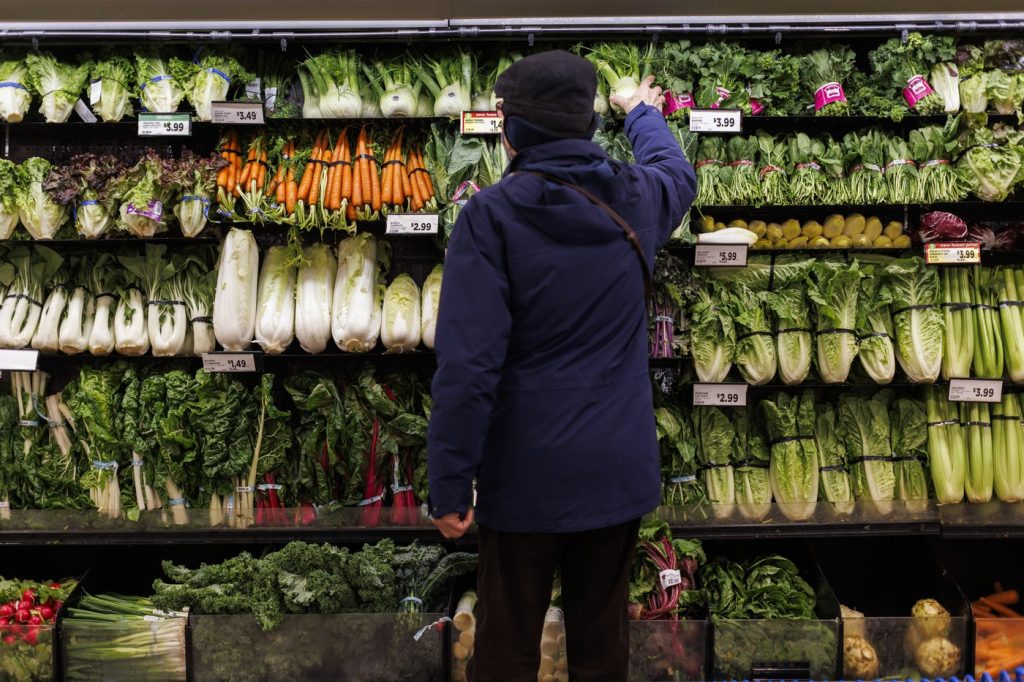
Johnson specifically highlights that Canadians are likely to first feel the effects of these energy cost hikes at grocery stores. Fresh food, which has a shorter shelf life, is particularly sensitive to global shipping disruptions, making it more vulnerable to price fluctuations caused by rising energy costs. This vulnerability could lead to increased grocery bills for consumers as the logistics surrounding food supply chain become strained.
Furthermore, economists at Desjardins published a report earlier in the week that discusses the potential impact of energy market volatility on inflation rates. They forecast that this volatility could push annual inflation up by one to two percentage points this year. However, the report does suggest that a possible strengthening of the Canadian dollar, linked to robust oil revenues, could mitigate some of the anticipated price surges.
With these factors at play, the implications of the Middle East conflict on Canada's economy and consumer prices warrant close monitoring, as these developments unfold. The situation serves as a stark reminder of how interconnected global markets are, and how events in one region can have far-reaching consequences across the globe.








