

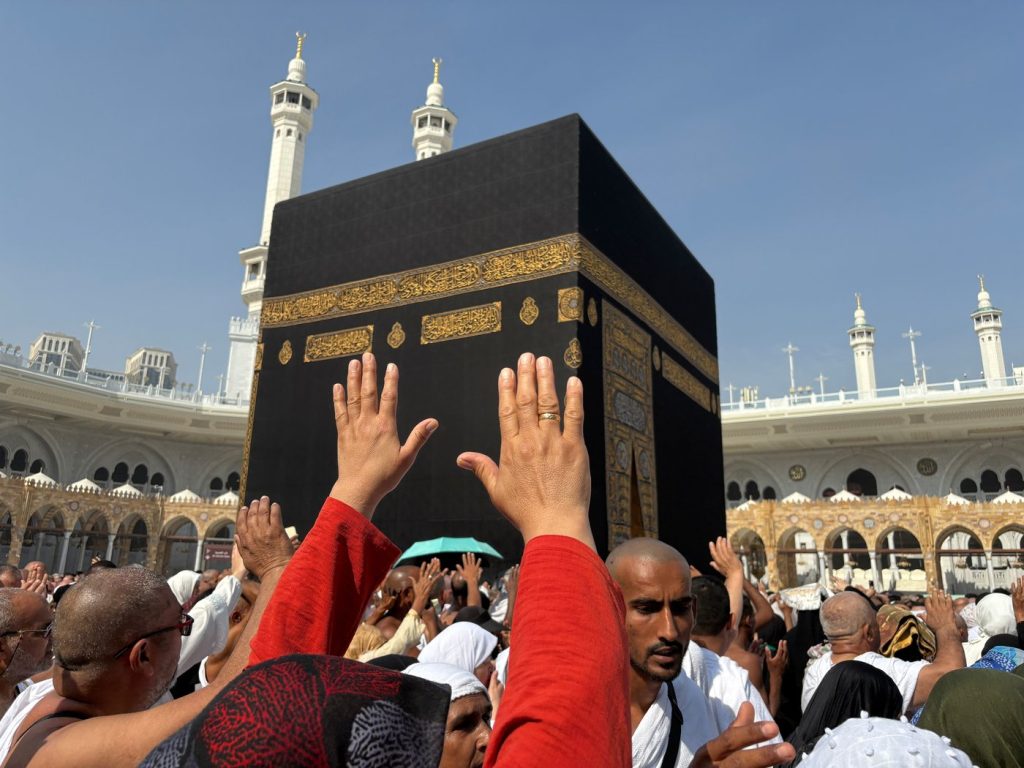
Travel chaos caused by the ongoing conflict in the Middle East has left many Muslims stranded in Saudi Arabia after converging for the Umrah pilgrimage. Reports indicate that as of a recent Thursday, more than 58,860 Indonesian pilgrims, among many others, are unable to return home, resulting in emotional distress and logistical challenges.
Indonesian authorities are negotiating with Saudi officials and airlines to alleviate the burden of additional hotel and flight costs for the stranded pilgrims. Vice Minister of Hajj and Umrah, Dahnil Anzar Simanjuntak, has urged roughly 60,000 other Indonesian pilgrims to defer their travel plans until April for safety reasons. The situation has been described as an "urgent humanitarian and logistical issue" by the ministry's spokesperson, Ichsan Marsha.
Stranded pilgrims have shared stories of uncertainty and disappointment. Zanirah Faris, one such pilgrim, expressed her frustration over a canceled flight, which was rescheduled to March 12, and emphasized the emotional toll it has taken on her as she awaits return to her children. The Indonesian government is actively working to support those who cannot afford the increased financial demands of extended stays.
In addition to the Indonesian pilgrims, around 1,600 Malaysian Umrah travelers are also stranded. Malaysian Consul General in Jeddah, Mohamad Dzaraif Raja Abdul Kadir, reported that these pilgrims are in good condition, with his office setting up a 24-hour operations room to assist affected citizens. Malaysia Airlines has announced a temporary resumption of flights from Jeddah and Medina until Sunday, as the Malaysian Foreign Ministry coordinates evacuation efforts for its stranded citizens.
Across the region, various airports in the Gulf remain critical transit points for travelers heading to Europe, Africa, and Asia, exacerbating the travel challenges posed by the war. Maged Kholaif, an Egyptian pilgrim, found himself stranded as well. His flight back to Kuwait was canceled on February 28, the same day the conflict escalated, prompting him to find alternative land routes to reunite with his family amid rising tensions back home.
Further complicating travel plans, Javed Khizer from Michigan made the difficult decision to cancel his family's Umrah trip, citing worsening news from the Middle East as a driving factor. The uncertainty of future travel opportunities left him apprehensive but resolute about prioritizing his family's safety.
Despite pressing concerns, some pilgrims, like Majid Mughal from the United States, have chosen to focus on their religious observances during Ramadan while remaining vigilant about their return travel arrangements. Mughal shared that, although he feels safe in Saudi Arabia, the ongoing crisis makes it hard to disconnect completely from the news, as they continuously monitor their flight statuses while trying to maintain their spiritual focus.
As the situation continues to unfold, logistical challenges accompanying the spiritual journey of Muslims participating in the Umrah pilgrimage create a tense atmosphere. Authorities from affected countries are scrambling to establish safe pathways for their citizens to return home while managing the implications of the ongoing conflict in the region.








