

SANTA FE, N.M. (AP) – Democratic-led states are increasingly concerned about the potential deployment of federal immigration officers at polling locations during the upcoming midterm elections, viewing it as a tactic to intimidate voters. In response to this apprehension, New Mexico has become the first state to enact legislation barring armed federal agents from polling places. This measure, manifesting significant distrust towards the Trump administration's immigration policies, may inspire similar actions in at least six other Democratic-led states.
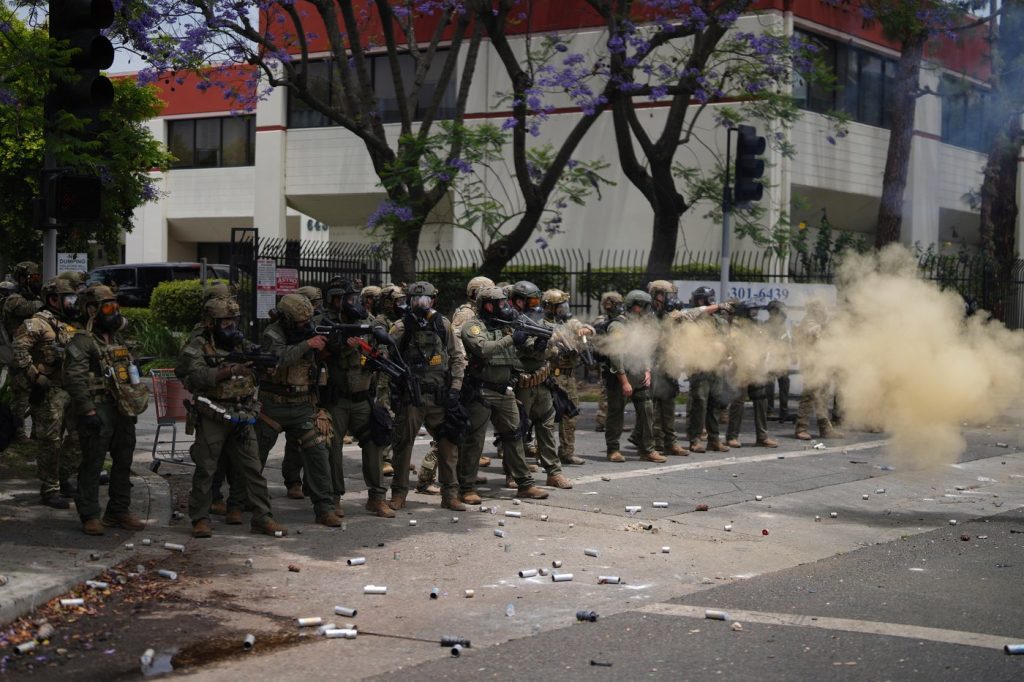
The renewed focus on voter intimidation coincides with a backdrop of aggressive immigration enforcement tactics used by the Trump administration, which has included military deployments and threats of substantial cuts in federal funding aimed at these blue states. This situation has been exacerbated by President Trump's remarks suggesting a desire to centralize U.S. elections, despite constitutional provisions assigning that responsibility to the states.
Despite assurances from the Trump administration that there are no plans to station immigration agents at polling places, a coalition of eight secretaries of state has sought written confirmation from Markwayne Mullin, Trump’s nominee to lead the Department of Homeland Security. They are requesting assurances that Immigration and Customs Enforcement (ICE) will not be present at polling sites during the 2026 election cycle.
Under existing federal law, armed federal forces are typically prohibited from being stationed at election sites unless it is necessary to counterarmed threats. Nonetheless, several Democratic lawmakers, election officials, and governors remain worried about possible federal overreach. Connecticut Democratic state Representative Matt Blumenthal emphasized the urgency of introducing state-level protections, suggesting that the Trump administration might invoke a national emergency to deploy federal agents against voters.
This concern has led to the proposal of additional legislation aimed at defending polling locations in various Democratic-led states from federal intervention. In Virginia, lawmakers are considering a bill that would restrict civil immigration officials from making arrests within a designated distance from polling places. Meanwhile, New Mexico has passed a law prohibiting any armed personnel from being present at polling locations or within a designated distance from monitored ballot boxes. This legislation, effective from May in time for the state's June 2 primary, allows individuals who experience intimidation at the polls to file civil lawsuits, with potential fines for violations reaching up to $50,000.
The legislation also includes provisions mandating that any changes to voting qualifications must align with New Mexico law, especially as Trump advocates for strict proof-of-citizenship requirements in national elections. However, these measures face the inherent challenge posed by the supremacy clause of the U.S. Constitution, which asserts that federal law takes precedence over state law. Richard Hasen, an expert on election law, cautioned that such state-level measures could lead to confrontations between state and federal authorities.
New Mexico’s Governor Michelle Lujan Grisham expressed her skepticism towards the Trump administration and underscored the state's commitment to ensuring safe and fair elections. Highlighting ongoing concerns regarding the Department of Justice's requests for state voter data and the persistence of false claims regarding election fraud, she affirmed New Mexico's sovereignty over its electoral processes.
Republicans in New Mexico's legislature opposed the new law, with GOP Senator Bill Sharer questioning its motivations. In contrast, Democratic legislators like State Senator Katy Duhigg advocated for precautionary measures, declaring the importance of safeguarding democracy against any potential interference from federal entities.
Other Democratic-led states, including Connecticut, are also exploring legislation to protect against federal intervention, adding to the growing scrutiny over the federal government's role in elections. As these developments unfold, the tension surrounding voting rights and election integrity remains a focal point of political discourse ahead of the midterm elections.








