

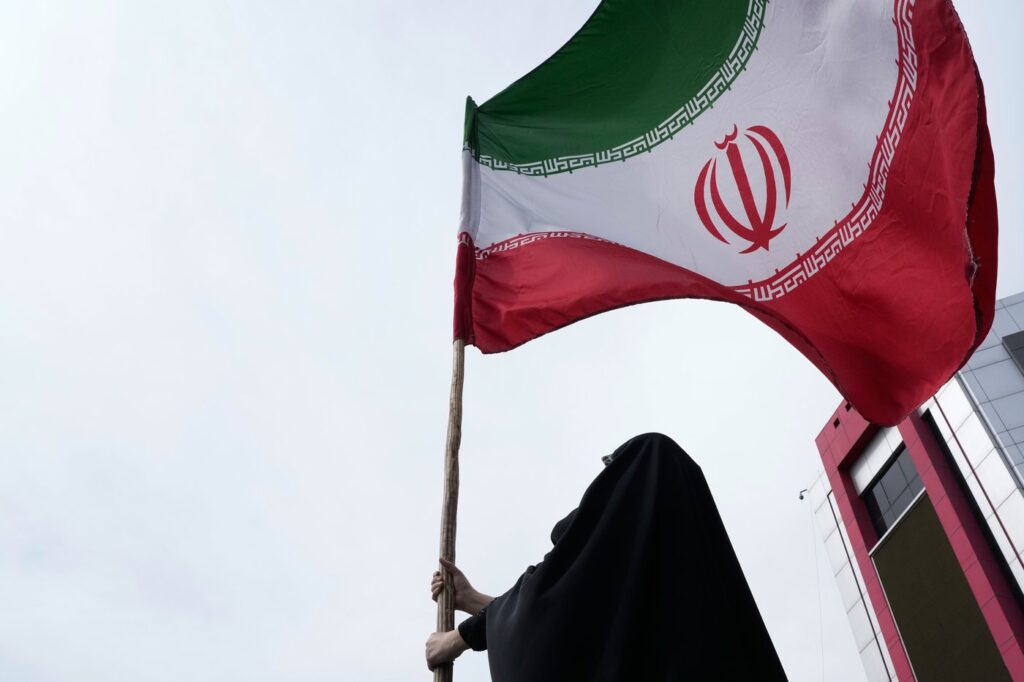
Attempts at ceasefire talks between the United States and Iran recently failed after Iran's Foreign Minister Abbas Araghchi left Islamabad, Pakistan. Meanwhile, U.S. President Donald Trump instructed his envoys to refrain from traveling to Islamabad, which contributed to the breakdown of negotiations.
Trump has asserted that the next move is now up to Iran. He expressed this direction via social media, stating, "If they want to talk, all they have to do is call!" The negotiations were initially set to follow historic discussions earlier in the month, led by Vice President JD Vance for the U.S. and Parliament Speaker Mohammad Bagher Qalibaf for Iran.
However, Iranian officials voiced skepticism regarding U.S. trustworthiness, especially after U.S. forces began blockading Iranian ports in response to Iran's control over the strategic Strait of Hormuz. Araghchi departed Pakistan on Saturday evening and traveled to Oman, which has previously facilitated peace talks. He is scheduled to return to Pakistan before heading to Russia.
In his remarks about the talks in Pakistan, Araghchi said he had communicated Iran's stance on a workable framework to end the ongoing war but highlighted doubts regarding U.S. commitment to diplomacy. Iran has stated that any negotiations would occur indirectly, with Pakistani officials serving as intermediaries.
Simultaneously, tensions rose in a separate ceasefire involving Israel and the Iranian-backed Hezbollah militant group, with recent exchanges of fire between the two sides. Israeli Prime Minister Benjamin Netanyahu instructed the military to aggressively target Hezbollah assets in Lebanon.
Despite an earlier announcement by Trump extending the ceasefire with Iran, the economic impact of the conflict has been severe, with global shipments of oil and other vital supplies being disrupted as fighting continues for two months. As military threats escalate on both sides, Iran's military command warned of potential strong retaliation against U.S. aggressive actions.
Amid the ongoing tensions, Trump emphasized one of his conditions for negotiations: Iran must not pursue a nuclear weapon. The contentious discussions involve several key points, including Iran's enriched uranium reserves and its missile program, alongside concerns regarding Iranian-supported armed proxies in the region.
The United States continues to enforce stringent measures, including blockades on Iranian ports and orders for the military to act against small boats suspected of placing mines. The economic situation remains dire, with oil prices surging nearly 50% since the start of the war, largely due to Iran's position on the Strait of Hormuz, a crucial route for global oil transit.
Over the past weeks, the consequences of ongoing conflicts have resulted in significant casualties, with at least 3,375 deaths reported in Iran, 2,496 in Lebanon, and additional fatalities among U.S. service members and U.N. peacekeepers. Despite talks of a ceasefire extension between Israel and Hezbollah, military engagements persist, with Israel launching strikes in southern Lebanon, further complicating the region's delicate status.
Significantly, Iran resumed commercial flights from Tehran’s international airport, marking a return to semi-normal operations following the onset of U.S. and Israeli military actions that began on February 28. As key players continue to navigate this diplomatic quagmire, the potential for an effective resolution remains uncertain.








