

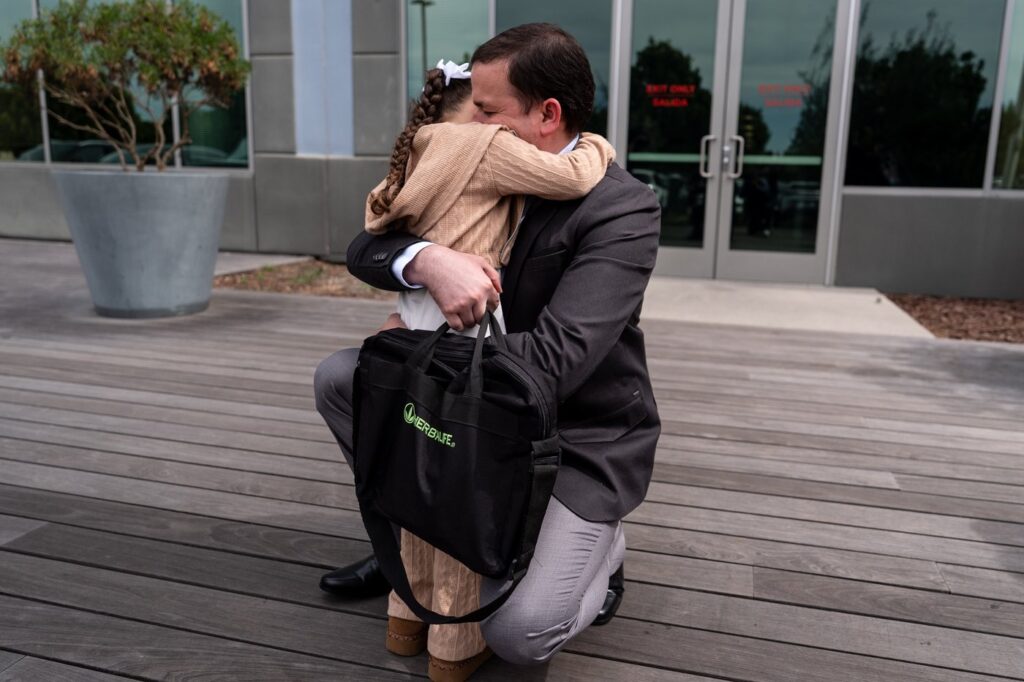
At the height of the immigration crackdown, masked immigration officers were prevalent on the streets of Minneapolis, contributing to a staggering rate of arrests in states like Texas, Florida, and California, where thousands were apprehended weekly. The Border Patrol commander, Gregory Bovino, described the strategy as “Turn and burn,” leading to aggressive operations targeting areas such as restaurant kitchens, bus stops, and Home Depot parking lots.
In December 2022, arrests by Immigration and Customs Enforcement (ICE) peaked at nearly 40,000 nationwide, a trend that continued into January 2023, according to data analyzed by The Associated Press. The escalating situation culminated in late January with the fatal shootings of two American citizens, Renee Good and Alex Pretti, which raised concerns over ICE’s brutal tactics. This became a catalyst for a shift in immigration policy, resulting in a shake-up among top officials and a nearly 12% decrease in ICE arrests across the country.
Polling indicated that the public deemed the immigration operations in Minnesota excessive, which likely influenced the early March dismissal of Homeland Security Secretary Kristi Noem. However, the arrest numbers showed variance across regions. Following the announcement of a drawdown on February 4, 2023, by Border Czar Tom Homan, ICE arrests nationwide averaged 7,369 weekly, a reduction from the previous average of 8,347, although still higher than the first year of President Donald Trump’s second term, and significantly more than under President Biden.
Interestingly, while ICE arrests declined in major states like Minnesota and Texas, they sharply increased in Kentucky, Indiana, North Carolina, and Florida, with Kentucky witnessing a more than doubled weekly arrest rate by early March.
The Trump administration maintained that it was focused on capturing the “worst of the worst” among illegal immigrants. Yet, evidence contradicted this assertion. A substantial portion of those arrested—46% in the five weeks before February 4—had no criminal history, though this percentage dropped to 41% afterward. Notably, the percentage of noncriminal arrests actually increased in some states even post-February 4.
Despite the apparent pullback in aggressive tactics, many federal court filings revealed ongoing enforcement actions consistent with the Trump administration's approach. For instance, a 21-year-old Honduran man with no criminal convictions was arrested on February 22 during a traffic stop in suburban San Diego, despite having children who are U.S. citizens. Likewise, a well-known South Texas doctor from Venezuela was detained while escorting her daughter to an asylum hearing for overstaying her visa.
Aaron Reichlin-Melnick, a senior fellow at the American Immigration Council, acknowledged signs of decreased arrest and detention rates but expressed caution about declaring these changes definitive. He noted that, although the Trump administration claims the enforcement policies are intact, there is clear evidence of reduced intensity compared to the prior Operation Metro Surge.








