

NEWPORT, R.I. (AP) — In Newport, Rhode Island, the stark contrast between neighborhoods is evident when comparing the south side, characterized by historic and opulent mansions, to the poorer North End, where greenery is scarce. The absence of mature trees in the North End deprives its residents of the numerous benefits that trees provide, including improved air quality and enhanced wildlife habitats. Natasha Harrison, the executive director of the Newport Tree Conservancy, emphasizes the need for more trees in these underserved areas, stating, “People in this neighborhood aren't receiving the benefits of trees. They need more.”
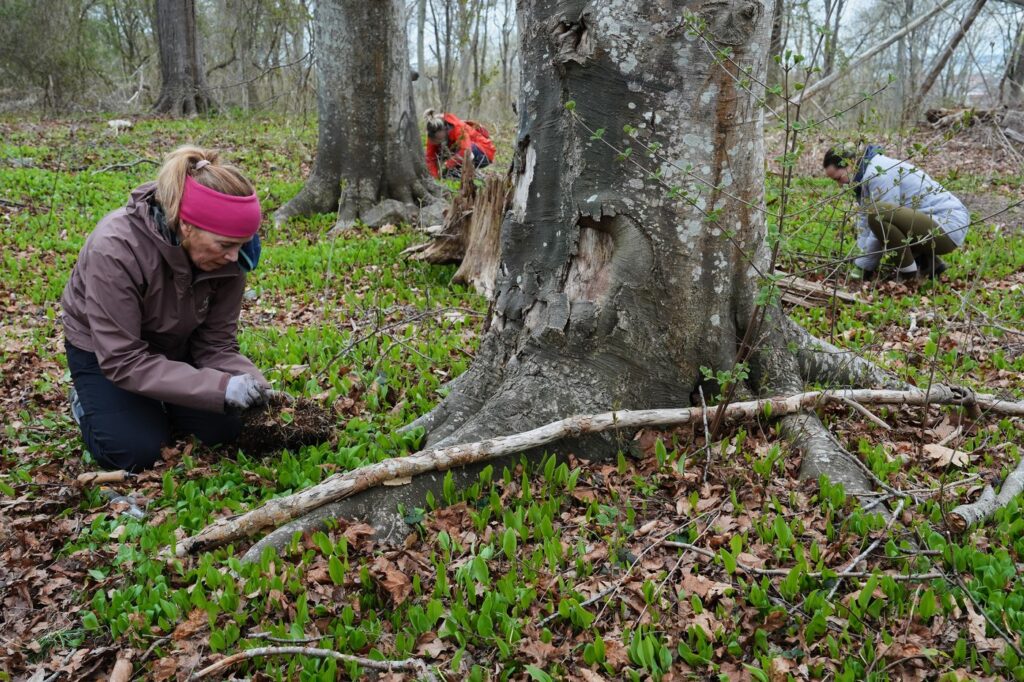
To combat this inequality, the Newport Tree Conservancy has actively planted hundreds of native trees to enhance the forest within Miantonomi Memorial Park, a 30-acre city-owned area situated in the northern part of Newport. On Earth Day, fifteen dedicated volunteers joined the conservancy's staff to participate in this mission of reforestation. The park, however, faces various challenges as many native trees have been outcompeted by invasive species, succumbed to diseases, or fallen prey to local wildlife such as deer and squirrels. In a strategic move, the conservancy decided to uproot native seedlings from the park, nurture them in their nursery, and eventually replant them within the forest to enhance their survival rates.
The mission of the conservancy is not only to improve the forest but also to grow the tree canopy in Newport and elevate its “tree equity score,” which assesses whether neighborhoods have sufficient trees to enjoy the associated health, economic, and climate benefits. This initiative is crucial, especially for neighborhoods that lack adequate greenery.
In an unfortunate twist, the Newport Tree Conservancy's efforts faced a setback when the U.S. Forest Service, under the previous administration, terminated a vital $75 million grant initially awarded to the Arbor Day Foundation. This funding was intended to support tree planting in communities that could not afford it. Harrison expressed disappointment with this development but acknowledged that the conservancy's donors filled the financial gap left by the loss of federal funding, enabling the organization to continue its work. “It was stressful, but I didn’t want to let it derail us,” she remarked.
The Newport Tree Conservancy has a long-standing partnership with the city, working for nearly 40 years to enhance the urban tree canopy. Joe Verstandig, the conservancy's living collections manager, guided volunteers through Miantonomi Park, showing them the invasive species they are actively working to remove, such as devil's walking stick, Norway maples, and Japanese knotweed. He also demonstrated how to carefully dig up beneficial native plants like arrowwood, elderberry, and American holly, which they plan to transplant successfully.
Among the volunteers were Allie Bujakowski and Mara Swist, two friends who came to lend a hand on Earth Day. Bujakowski, who lives just a mile from the park, frequently walks her dog there, while Swist resides nearby in Portsmouth, Rhode Island. “They are getting trees in spaces in the community where we really need them,” Bujakowski said, noting the visual improvements brought by previously planted trees. She mentioned how these trees have begun to attract more bird life back to the area, further enhancing local biodiversity.
The efforts of the Newport Tree Conservancy underscore the importance of environmental justice in urban areas, demonstrating how the strategic planting of trees can significantly improve neighborhoods and foster community engagement. As the volunteers continue their work, they remain hopeful that their contributions will help rejuvenate the North End, providing its residents with the essential benefits that a thriving tree canopy can offer.








