

As the travel industry evolves in response to the aging baby boom generation, there is a growing emphasis on accessibility for tourists with disabilities. Barriers to tourism can be both physical, like non-functional elevators, and sensory, such as excessive noise or prolonged outings. Addressing these challenges is essential for ensuring that a diverse range of visitors, including those with visible and invisible disabilities, can enjoy cultural institutions and tourism experiences.
To enhance accessibility, many museums and cultural institutions worldwide have introduced specialized tours and programs. These innovations are often supported by advancements in technology, providing options like sign-language tours for the deaf or hard of hearing, touch-based events for individuals with blindness or low vision, and programs specifically designed for those on the autism spectrum. The emergence of travel agencies focused on serving disabled travelers also reflects a commitment to creating inclusive environments.
Ashley Grady, an accessibility program specialist at the Smithsonian Institution, emphasizes the importance of demonstrating welcome to individuals with disabilities through tailored experiences. Grady highlights the effort of cultural spaces to reflect the diversity of their visitors and to ensure that programs are accessible to everyone, including families and friends of individuals with disabilities.
Despite progress, significant gaps still exist in awareness regarding the different levels of accessibility required by various travelers. Ivor Ambrose, managing director of the European Network for Accessible Tourism, points out that the market for accessible tourism remains largely untapped, presenting a substantial opportunity for operators in the tourism sector.
Expert advice suggests that thorough research and planning are crucial for travelers with disabilities. Josh Grisdale, founder of Accessible Japan, shares his strategies for planning trips, including utilizing online platforms, such as Reddit and Google Street View, to assess suitability for wheelchair access. He also highlights the value of engaging with hotel concierges to confirm the accessibility features of potential visiting locations. Additionally, his platform tabifolk aims to crowdsource information about accessible travel experiences around the world.
In Africa, accessibility planning is crucial for enjoying adventure activities such as safaris or climbing Mount Kilimanjaro. Joanne Ndirangu, director of the Scout Group Agency, encourages travelers to work with local agents knowledgeable about accessible options in specific regions, ensuring that potential barriers can be identified and addressed in advance.
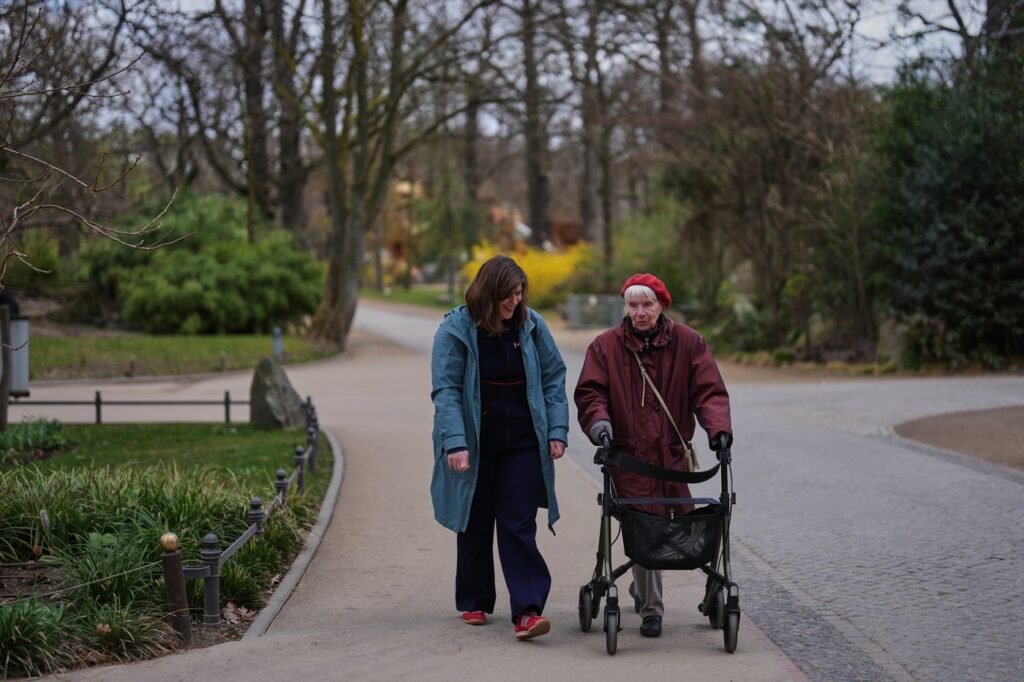
Moreover, seeking specialized programming can enhance the visitor experience. General public tours may not always meet the needs of disabled individuals due to physical or sensory limitations. As an example, the Smithsonian’s “Morning at the Museum” program provides curated experiences for neurodivergent visitors, allowing them to interact with exhibits in a controlled, sensory-friendly environment. In Berlin, Malteser Deutschland has developed barrier-free tours for individuals with dementia at various cultural sites, focusing on manageable experiences that avoid overwhelming participants.
It is essential for travelers to communicate their needs and provide feedback regarding accommodations. Ndirangu emphasizes the importance of proactive discussions about necessary modifications to ensure that all guests have enjoyable experiences. She acknowledges the challenges that can arise when accommodations are not communicated in advance, noting that accessible rooms may be limited and booked prior to arrival.
Furthermore, the European Network for Accessible Tourism advocates for incorporating the costs of barrier-free services into overall programming, ensuring that the financial burden does not fall solely on those requiring accommodations. Many cultural institutions already offer discounted rates or free tickets for companions, which supports accessibility for all visitors.
Grady emphasizes the critical role of participant feedback in refining offerings at the Smithsonian, with suggestions leading to adjustments that enhance accessibility for visitors with various disabilities. The goal is to provide an inclusive experience that allows every visitor to enjoy and explore cultural spaces just as anyone else would.








