

The possibility of a second round of negotiations between the United States and Iran appeared uncertain as Iran’s chief negotiator, Mohammed Bagher Qalibaf, stated that his country would not engage in talks under the threat of military action. In his post on X, Qalibaf emphasized the stance that negotiations cannot take place amidst intimidation. He also mentioned that Iran has been preparing to unveil new strategies in the ongoing conflict.
U.S. President Donald Trump presented mixed signals regarding the future of U.S.-Iran relations. While he is reportedly considering sending a negotiating team, led by Vice President JD Vance, to Islamabad, Pakistan, he simultaneously suggested that he is not in a hurry to conclude the ongoing war against Iran. Trump indicated that he is "highly unlikely" to renew the ceasefire, which is set to expire on Wednesday.
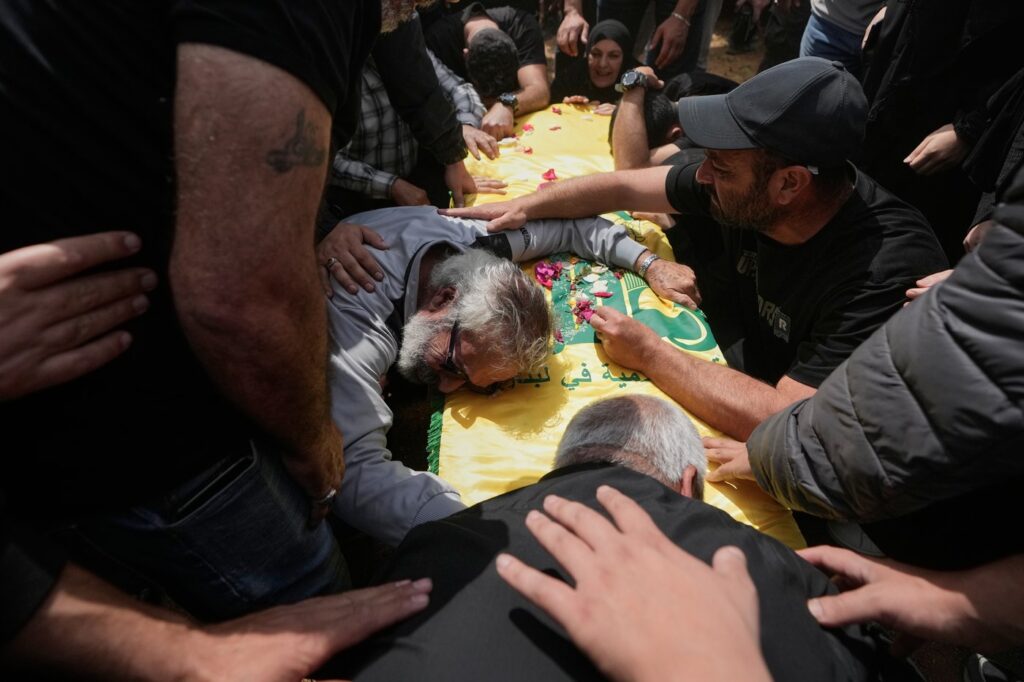
The human toll of the conflict has been significant, with at least 3,375 people reported killed in Iran, while over 2,290 casualties have been recorded in Lebanon. Additionally, 23 individuals have died in Israel and multiple fatalities have occurred among Gulf Arab states. The conflict has also seen the deaths of 15 Israeli soldiers in Lebanon and 13 U.S. service members deployed throughout the region.
The latest developments in the conflict have caused fluctuations in Asian financial markets. Asian shares have displayed a mixed performance, and oil prices have dipped slightly amidst rising tensions between the U.S. and Iran. This uncertainty has impacted trading, following a modest dip on Wall Street, where the S&P 500 fell by 0.2% and the Nasdaq composite dropped by 0.3%. However, Brent crude oil prices remain elevated, holding above $95 per barrel.
Further complicating the situation, Trump lashed out at critics after tensions escalated following the U.S. Navy's seizure of an Iranian-flagged cargo ship, casting doubt on the potential for resumed talks with Iran. Since the war's commencement, financial markets have experienced tumultuous swings, influenced by the unpredictable nature of the conflict and fears surrounding its duration.
The growing apprehension is that a prolonged disruption could severely limit the availability of oil and natural gas in global markets, potentially resulting in high inflation rates worldwide. This scenario continues to raise concerns about the broader economic implications of the conflict and the prolonged uncertainty surrounding U.S.-Iran negotiations.








