

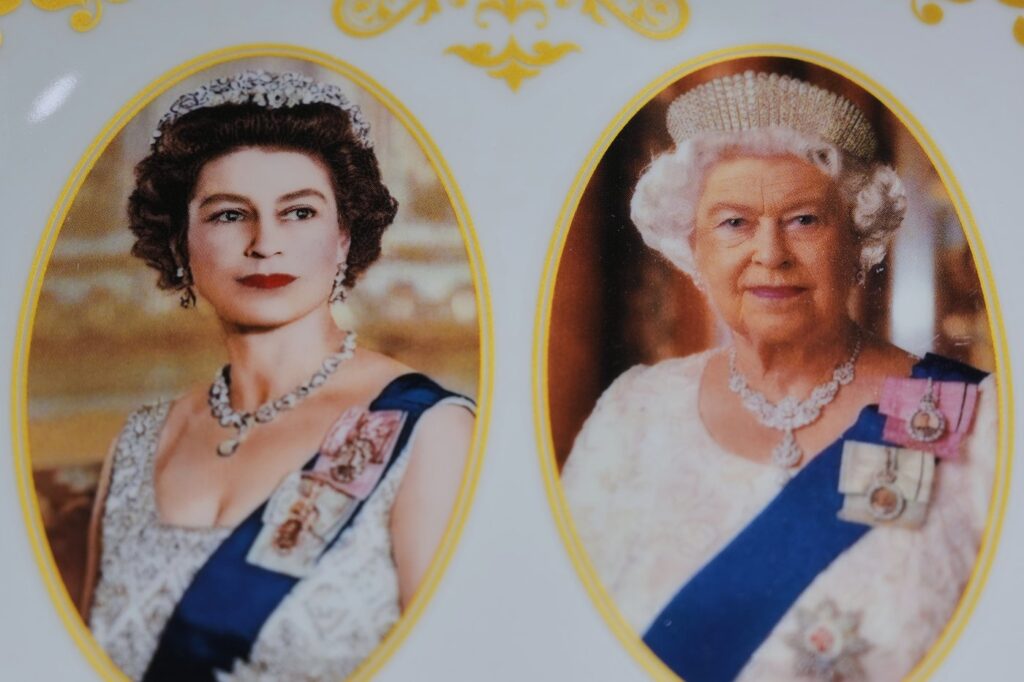
LONDON (AP) - Four years after the death of Queen Elizabeth II, her legacy continues to thrive at the Cool Britannia gift shop, located across the road from Buckingham Palace. As the nation approaches the centenary of her birth on April 21, 2026, sales of memorabilia, such as mugs, tea towels, and key rings featuring the queen, remain strong, with a noticeable lack of interest in items depicting her son, King Charles III. Ismail Ibrahim, the store's manager, confirms, “We still sell more than the king any day.”
Queen Elizabeth II, Britain's longest-reigning monarch, held a significant presence in the public consciousness following a 70-year reign that began with her impressive rise to power. From her glamorous early years as a young sovereign during post-war Britain to becoming a beloved national figure who comforted the nation during the COVID-19 pandemic, she left an indelible mark.
Even after her passing in September 2022, Elizabeth II is often the first association made when people refer to "the queen." Despite the passage of time, which has prompted some reevaluation of her legacy amid economic struggles, mass migration, and scandals surrounding her family—particularly her son, Prince Andrew—many still regard her as a symbol of tradition and continuity. Ed Owens, an author, noted, “Despite her absence, Elizabeth II remains this key presence whenever we think about the monarchy.” He suggests that the attention surrounding her 100th birthday is well-deserved, as she significantly shaped the monarchy over the last century.
Commemorative festivities include a special reception at Buckingham Palace hosted by King Charles, acknowledging centenarians born on the same day as the queen. Additionally, a memorial garden is set to be dedicated at Regent's Park in central London, alongside an ongoing exhibit showcasing the queen's fashion.
Queen Elizabeth, born Elizabeth Alexandra Mary Windsor on April 21, 1926, never anticipated that she would ascend to the throne. Initially leading an inconspicuous life as the elder daughter of King George V's second son, she was thrust into the limelight following her uncle, King Edward VIII's abdication in favor of marrying Wallis Simpson. Elizabeth became queen on February 6, 1952, at just 25 years old, learning of her father’s death while in Kenya.
Throughout her reign, Elizabeth served as a global ambassador for Britain, completing over 200 international trips and engaging with leaders from various countries, including former colonies and long-standing allies. As a public figure, she was known for her distinctive wardrobe of brightly colored suits, making herself accessible to her subjects. In her later years, she embraced modernity, becoming an internet sensation during the 2012 London Olympics and celebrated her 70 years on the throne with creative appearances alongside pop culture figures.
However, her legacy is not without shadows. The ongoing scandal involving her second son, Prince Andrew, highlighted potential missteps in managing family controversies. Andrew faced scrutiny due to his associations and questionable behavior, remaining a royal figure even amid public discontent until the details of his connections to Jeffrey Epstein emerged. To shield the monarchy from damage, King Charles ultimately revoked Andrew's royal title, leaving him as Andrew Mountbatten-Windsor. Author Robert Hardman suggests that while the queen faced challenges related to Prince Andrew, her broader achievements overshadow these failings.
Many members of the public continue to reflect on Elizabeth's legacy positively, with visitors praising her elegance and iconic status. Discussions about her handling of family scandals reveal a mix of sympathy and critique, particularly regarding her approach as a mother rather than solely as a queen. Sylvie Deneux, visiting from France, remarked on the complexity of judging Elizabeth’s decisions, questioning, “Can we blame her? I’m not sure.”








