

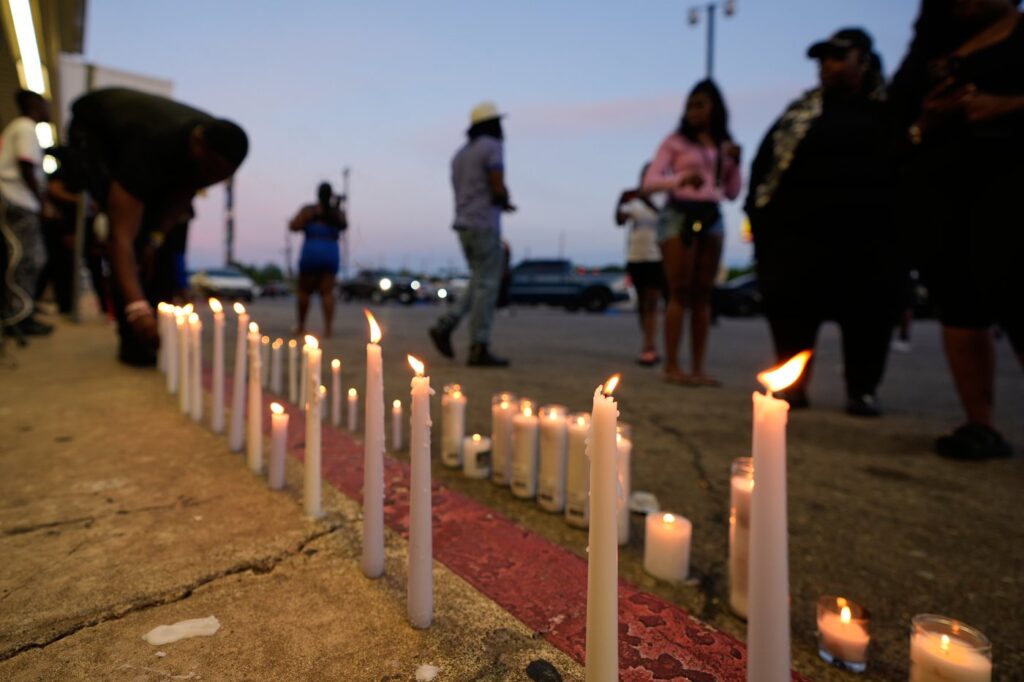
Two recent high-profile domestic violence cases involving Black mothers in Louisiana and Virginia have ignited a national dialogue about the need for better domestic violence prevention resources and mental health care within Black communities. Advocates assert that these tragic incidents reveal significant trends indicating that Black women are disproportionately affected by domestic violence, providing a critical opportunity to address the existing disparities in access to care and resources that increase vulnerability for women and children in these communities.
On a Sunday morning, Shamar Elkins fatally shot seven of his children and another child in Shreveport, Louisiana. Reports indicate that Elkins was in the process of separating from his wife, who was also wounded in the attack. Just days earlier, the bodies of former Virginia Lt. Gov. Justin Fairfax and his estranged wife, Dr. Cerina Fairfax, were found in their suburban Washington, D.C. home. Authorities report that Fairfax shot his estranged wife before taking his own life, while their two children were unharmed. Similar to Elkins, Fairfax was facing the stress of separation proceedings, which included an impending court deadline for moving out of the home.
While the motivations behind both tragedies remain unclear, experts note that such harrowing details reflect patterns common in homes across the nation, underscoring the urgent need for solutions that address the root causes of domestic violence. The context surrounding these cases highlights a broader "silent epidemic" of domestic violence, especially affecting Black women, according to officials in Shreveport. Data indicates that more than 40% of Black women experience physical violence from an intimate partner in their lifetime, significantly higher than other racial and ethnic groups.
Paméla Tate, executive director of Black Women Revolt, emphasizes the interplay between institutionalized racism and the reluctance of Black women to seek help from police and government services. This skepticism contributes to their increased vulnerability to domestic violence. Furthermore, systemic issues have put Black women at a higher risk, reflecting a larger societal problem. Data from the Violence Policy Center shows that Black women are twice as likely to be murdered by men as their white counterparts, many of whom are familiar with their victims, and the majority of these killings are perpetrated with firearms.
Mental health has emerged as a significant factor to consider in these domestic violence incidents. A relative of Elkins' wife reported that he sought mental health assistance at a Department of Veterans Affairs hospital earlier in the year. In Fairfax's situation, allegations of sexual assault had a detrimental impact on his mental health, leading to severe emotional distress before the tragic events occurred. Experts suggest that financial pressures, marital conflicts, and mental health vulnerabilities can provoke extreme behaviors in individuals facing crisis.
However, the lack of access to mental health resources compounds the challenges faced by many Black individuals, with high costs and insufficient insurance often serving as barriers. Professor Daphne C. Watkins notes that mental health disparities in the Black community are a consequence of structural racism affecting various societal aspects, including education and employment, which can exacerbate mental health issues among Black men specifically. Cultural expectations also discourage many Black men from seeking help, leading to compounded stress and emotional challenges.
Despite the focus on mental health, some experts caution against using it as an excuse for domestic violence. Tate argues that mental illness does not inherently lead to violence, observing that individuals with mental health challenges do not necessarily harm their partners. Both Shaneiqua Elkins and Cerina Fairfax could have also faced mental health struggles yet chose non-violent responses. This perspective highlights the complexity surrounding domestic violence and emphasizes the necessity for comprehensive solutions that address both systemic issues and societal attitudes toward gender and violence.








