

ISLAMABAD (AP) — Pakistan has continued preparations for the second round of talks between Iran and the United States scheduled to take place in Islamabad. These discussions come as a fragile ceasefire is at risk of collapse, although it remains uncertain whether Iran will send a delegation to participate.
Rhetoric from both sides remains contentious. U.S. President Donald Trump has warned of impending military action, stating that “lots of bombs” could start “going off” if an agreement is not reached before the ceasefire deadline set for Wednesday. Conversely, Iran’s chief negotiator has indicated that the nation possesses “new cards on the battlefield” that have yet to be disclosed, underscoring the tense atmosphere surrounding the negotiations.
The latest two-week ceasefire commenced on April 8, 2026, and extensions appear likely if talks surface as anticipated. Reports indicate that U.S. Vice President JD Vance will lead the American side of the delegation; however, Iran has not yet confirmed which representatives it will send. Iranian state television emphasized on Tuesday that “no delegation from Iran has visited Islamabad... so far,” highlighting internal divisions within Iran’s ruling theocracy regarding engagement with the U.S.
Central to the negotiations is the control of the Strait of Hormuz, a critical waterway through which 20% of the global natural gas and crude oil passes during peacetime. The U.S. has imposed a blockade on Iranian ports, pressuring Tehran to relinquish its control over this vital passage, which has led to soaring oil prices, with Brent crude trading at nearly $95 per barrel, reflecting a rise of over 30% since February 28.
On the weekend prior to the talks, Iranian officials acknowledged receiving new proposals from Washington yet noted significant gaps between the negotiating positions. Previous discussions faltered over contentious issues, including Iran’s nuclear enrichment program, regional alliances, and the issue of the strait itself. Iranian parliamentary speaker Mohammed Bagher Qalibaf stated on Tuesday that the U.S. seeks Iran's capitulation, while Iran is poised to unveil new strategies. He firmly declared that Iran would not negotiate under threats.
Nevertheless, Pakistani officials remain optimistic about Iran sending a delegation, hoping to facilitate resumed talks. Foreign Minister Ishaq Dar engaged in discussions with Egypt’s Badr Abdelatty regarding regional developments as part of diplomatic preparations leading into the negotiations. Additionally, Dar met with the Chinese ambassador, indicating China's awareness of the situation’s critical nature as it oscillates between war and peace. Ministry spokesman Guo Jiakun urged all parties to demonstrate sincere commitment to a political resolution and to maintain the ceasefire momentum.
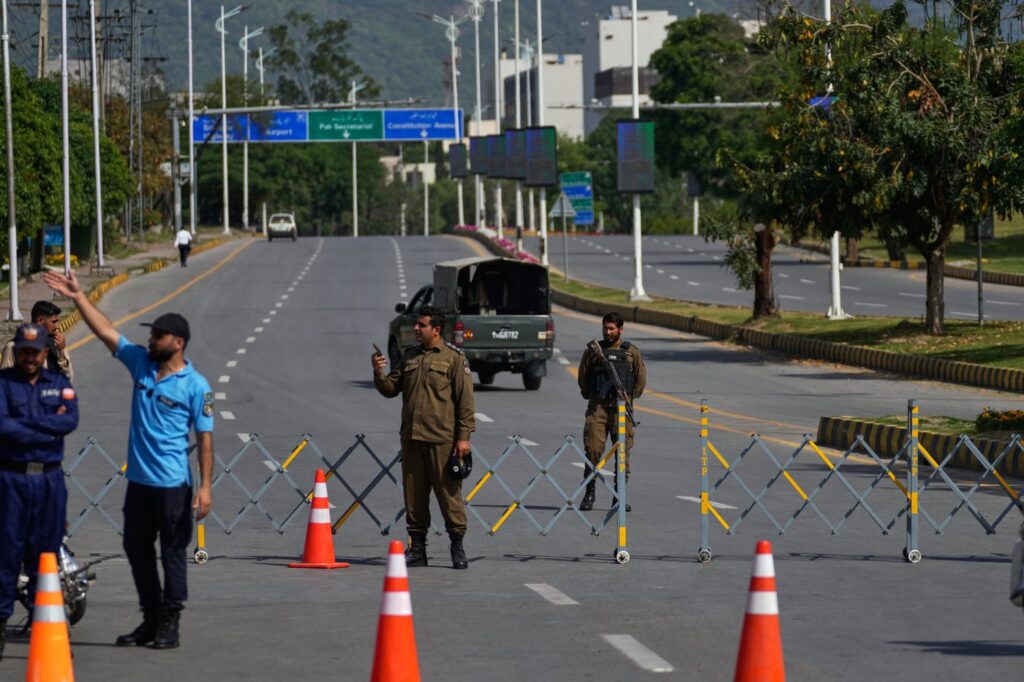
Meanwhile, heightened security measures have been implemented across Islamabad, with thousands of personnel deployed and increased patrols around the airport routes. Such preparations indicate the potential for high-level engagement if the discussions yield constructive outcomes, according to security analysts in the region.
In parallel to the U.S.-Iran talks, significant diplomatic discussions between Israel and Lebanon are also set to resume on Thursday in Washington. This marks the first direct diplomatic interaction between the two nations in decades, focusing on disarming Hezbollah and achieving peace. A 10-day ceasefire commenced in Lebanon amid violent conflicts that resulted in substantial casualties, further complicating the regional stability landscape.








