

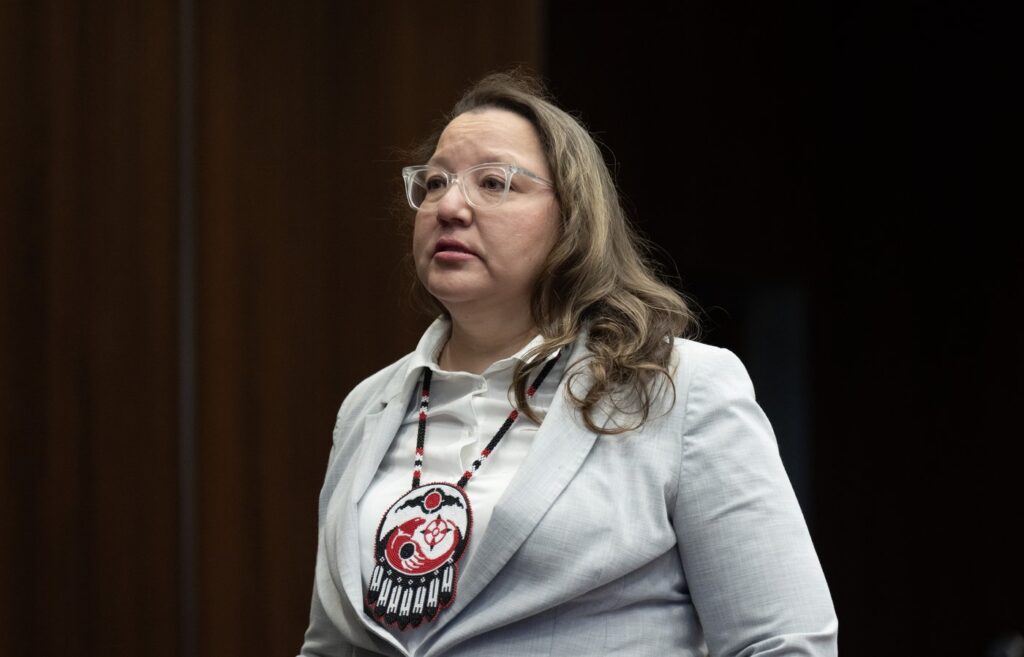
The national chief of the Assembly of First Nations is urging the United Nations to take a strong stance against the British Columbia government's recent proposal to amend or suspend important components of an Indigenous rights law. Premier David Eby’s administration has faced backlash over this initiative, particularly following a court ruling that highlighted the significance of the Declaration on the Rights of Indigenous Peoples Act (DRIPA).
This pivotal law is rooted in international standards of Indigenous rights and was designed to align provincial practices with the principles outlined in the United Nations Declaration on the Rights of Indigenous Peoples. However, Premier Eby expressed concerns that the December court ruling posed a "significant legal risk" to the province, raising fears that the government could be held liable under this framework.
Over the past month, Eby has shifted his stance on the potential suspension or amendment of DRIPA several times. His latest comments reveal a commitment to collaborate with First Nations to identify feasible solutions amid the growing tensions surrounding this legal framework.
National Chief Cindy Woodhouse Nepinak addressed the United Nations Permanent Forum on Indigenous Issues, arguing that the rights of First Nations are safeguarded by international human rights law and cannot be undermined or temporarily halted by any governmental authority. Her plea included a call for international support and an official condemnation of what she described as British Columbia’s "regressive decisions." This reflects the increasingly urgent demand for protecting Indigenous rights in the face of provincial actions that may be perceived as detrimental to those rights.
Woodhouse highlighted the critical role of international bodies in ensuring that Indigenous rights are respected and upheld, particularly in situations where local governments may attempt to circumvent these protections. Her statements underscore a broader movement among Indigenous leaders to ensure compliance with international standards and accountability for governments that take steps perceived as harmful to Indigenous rights.
The situation remains dynamic as discussions continue between Eby’s government and First Nations representatives, aiming to reach a resolution that satisfies both legal and ethical obligations related to Indigenous rights. The discourse surrounding this issue has garnered significant attention, positioning it at the forefront of current Indigenous affairs in Canada.
This report was originally published on April 21, 2026, and reflects ongoing developments in the relationship between provincial governments and Indigenous communities.








