

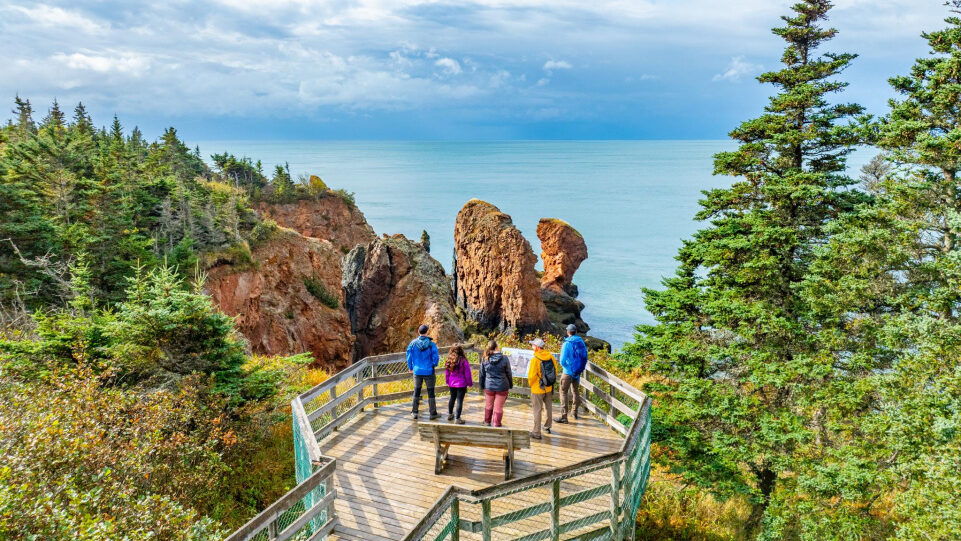
In Nova Scotia, tourism has proven to be a significant engine for economic growth, generating $3.7 billion in revenue in 2025, reflecting an 8 percent increase from the previous year. This substantial financial influx indicates that tourism spending in the province is outpacing national averages, underscoring its critical role in supporting local businesses and creating job opportunities
.According to statistical data, Nova Scotia welcomed 2.1 million visitors in 2025, which is an increase of 79,000 visitors compared to 2024. The province saw a notable rise in visitors from other regions of Atlantic Canada, Quebec, and Western Canada. In contrast, there was a decline in travelers arriving from Ontario and the United States. Additionally, the hospitality sector reported a slight uptick, with three million room nights sold during the year.
Dave Ritcey, the Minister of Communities, Culture, Tourism, and Heritage, emphasized the economic benefits of tourism, stating, “Tourism is a strong economic driver that supports businesses and creates jobs across the province.” Furthermore, the tourism sector in Nova Scotia employs over 55,000 people and is viewed as having significant growth potential.
The province has initiated a five-year plan aimed at promoting sustainable tourism, unveiled in September 2025. This strategic vision involves an investment of $4.5 million in programs designed to bolster the tourism sector, as well as $13.8 million allocated for marketing initiatives. Ritcey assured that the government will work closely with businesses and communities to highlight Nova Scotia’s natural beauty, cultural diversity, and unique experiences, further establishing the province as a compelling year-round destination.
In light of these developments, the provincial government recently announced a series of closures impacting several information centers and small rural museums as part of an effort to adapt to changing travel trends. The trend indicates that more prospective travelers are planning their trips online, prompting Tourism Nova Scotia to indicate a shift in their approach.
The tourism department stated, “We will continue to invest in digital tools, strategic marketing, and industry partnerships that connect visitors to experiences across the province.” These efforts include support for over 40 community visitor information centers, which provide essential advice and local recommendations to encourage visitors to extend their stays and explore beyond typical tourist spots.
However, the decision to close twelve museums across primarily rural areas of Nova Scotia has sparked concern within the community. The government acknowledged the dilemma this presents, remarking, “These are difficult decisions, and we recognize the impact on employees and their families.” The statement reflected gratitude toward the dedicated individuals who contributed to sharing the rich stories that embody the province's heritage.
The museum system in Nova Scotia is reportedly complex and challenging to maintain, encompassing a total of 28 sites. The changes introduced aim to ensure that the museum system remains sustainable in the long term, catering effectively to both the local populace and visitors to the province.








