

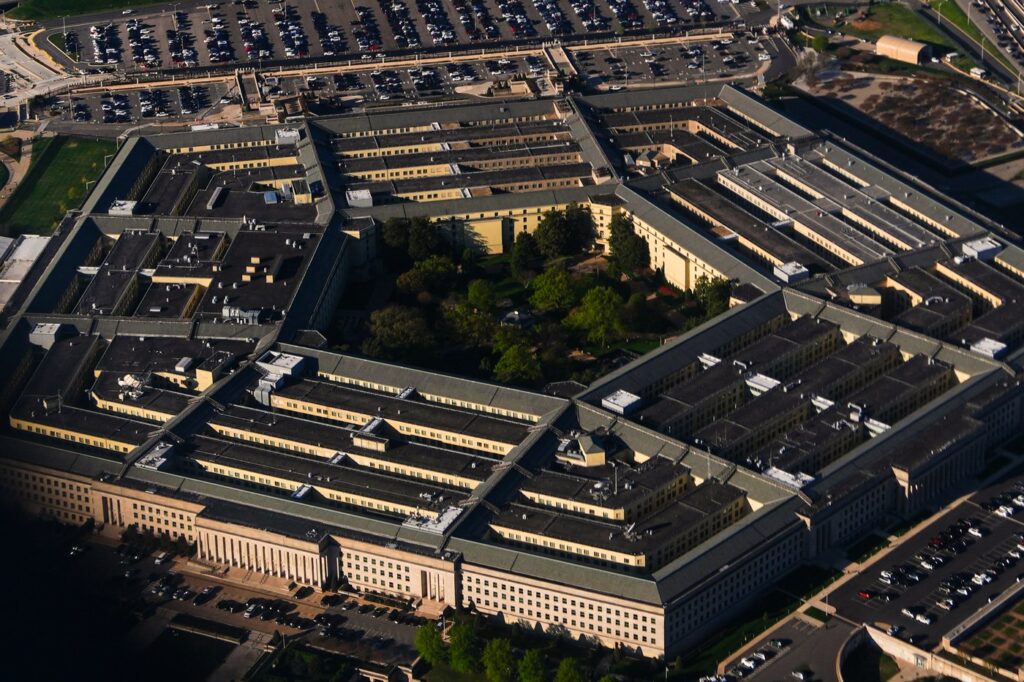
On Tuesday, U.S. military officials outlined a substantial budget proposal for the upcoming fiscal year, calling for tens of billions of dollars dedicated to advancing drone technology, air defense systems, and fighter jets, all of which are pivotal in the ongoing conflict situation involving Iran. This proposal is part of an overarching initiative spearheaded by President Donald Trump to escalate defense spending to a staggering $1.5 trillion in the 2027 budget.
The Pentagon's blueprint suggests a dramatic increase in funding for drones and associated technologies, proposing to triple such expenditures to exceed $74 billion. Additionally, there is a plan to invest over $30 billion into vital munitions, including missile interceptors, which have faced critical shortages due to the prolonged engagement in the Iran conflict.
Military officials clarified that the proposed budget was crafted prior to the recent escalations in the Middle East. Despite the growing military needs, they have not yet disclosed how much additional funding will be requested specifically for operations related to the war, which would build on the existing White House request aimed at enhancing defense spending in the budget year ahead.
Jules Hurst III, the acting undersecretary of defense and Pentagon comptroller, emphasized the necessity of sustaining a robust arsenal, stating, "The overlap, you’ll see is the request for munitions, which is something we always need. We always need to increase our magazine depth." He further noted that the current budget does not include operational costs directly associated with the conflict in Iran.
The missile interceptors most under pressure include the Patriot and Terminal High Altitude Area Defense (THAAD) systems. The THAAD system is specifically designed to counter medium-range ballistic missiles, while the Patriot system targets short-range ballistic missiles and aircraft. Notably, both systems have been employed to neutralize low-cost Iranian drones during recent engagements.
Within the proposed budget, $30 billion aims to enhance purchases of long-range Precision Strike Missiles and Mid-Range Capability missile systems for the U.S. Army. Furthermore, nearly $54 billion is earmarked for military drones and related technologies, along with another $21 billion directed toward weapon systems engineered to counter enemy drone threats.
As warfare continues to evolve, drones and unmanned vehicles have become crucial assets in both the Ukraine and Iran conflicts. Senior Pentagon officials asserted that there is a pressing need to substantially elevate funding for both drone capabilities and counter-drone systems. Hurst remarked, "Drone warfare is rapidly reshaping the modern battlefield. This budget is the largest investment in drone warfare and counter-drone technology in U.S. history."
Alongside these provisions, the 2027 budget includes plans to bolster military personnel by 44,500 troops, which represents an increase of over 2%. Additional allocations include more than $2 billion for operations along the U.S.-Mexico border and the largest shipbuilding request seen since 1962, highlighting a comprehensive approach to enhancing U.S. military readiness and capabilities.








