

MONGOMO, Equatorial Guinea (AP) — Pope Leo XIV is scheduled to visit one of Equatorial Guinea's notorious prisons on Wednesday, a move that aims to highlight human rights abuses that have garnered condemnation from various campaigners. This visit is particularly significant in light of the recent U.S. policy of deporting third-country migrants to the Central African nation.
The pontiff's trip to the prison in the port city of Bata is consistent with the tradition established by Pope Francis, who prioritized prison visits during his papacy. These visits serve to provide hope to inmates and emphasize the Church's solidarity with them, while also drawing attention to issues of judicial misconduct, overcrowding, and systemic injustices within the penal system.
This prison visit marks the culmination of an extensive 11-day, four-nation tour that has taken Pope Leo from Algeria in the north to Angola in the south, with a stop in Cameroon along the way. The day commenced with a Mass in Mongomo, an eastern city that borders Gabon and has seen significant development since the onset of Equatorial Guinea’s oil boom during the 1990s. Mongomo is the hometown of President Teodoro Obiang Nguema Mbasogo, and despite lacking official institutions, the city boasts lavish buildings and well-maintained gardens attributed to government investments.
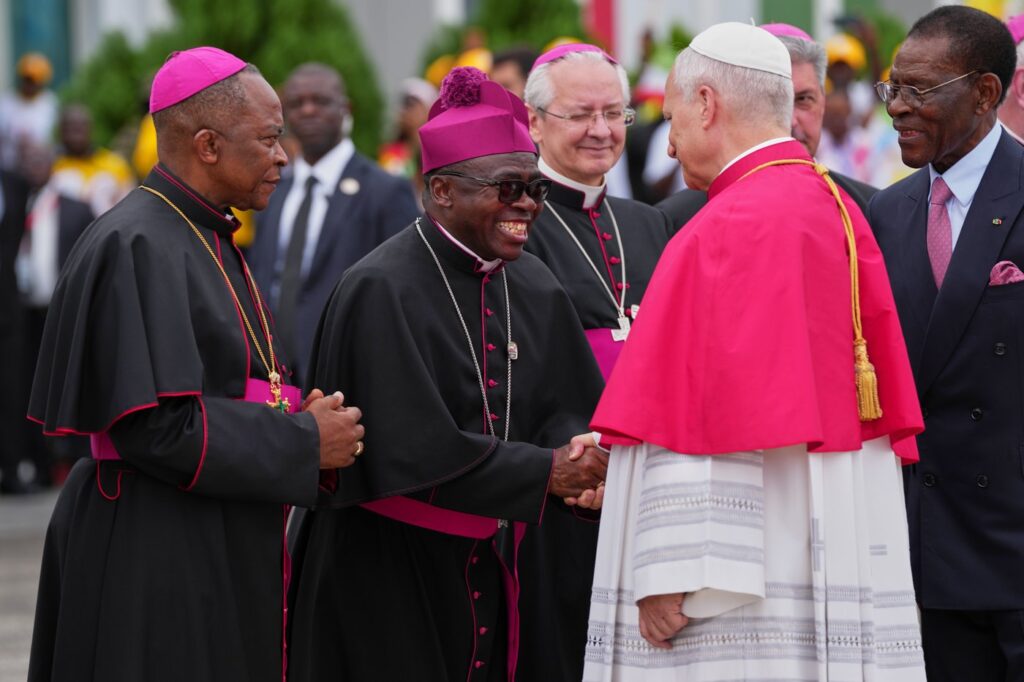
Upon his arrival at Mongomo's Basilica of the Immaculate Conception, a grand church inaugurated in 2011 and modeled after St. Peter’s Basilica, thousands of enthusiastic supporters greeted Pope Leo as he arrived in a covered popemobile. The pope not only blessed the assembled crowd but also laid the cornerstone for a future cathedral designated for the country’s new capital, Ciudad de la Paz, or City of Peace.
Later on Wednesday, the pope will proceed to Bata, the nation's most populous city, for the highly anticipated prison visit. Additionally, he plans to pray at a memorial for victims of a disastrous explosion in the city's military barracks, an incident attributed to negligence in 2021.
The U.N. human rights office acknowledged the abolition of the death penalty in Equatorial Guinea in 2022, yet the country's prisons and judicial system have faced considerable criticism from the U.N., as well as human rights organizations and the U.S. State Department. The 2023 report by the U.S. outlined numerous infractions, including unlawful killings, political detentions, torture, and life-threatening prison conditions, alongside troubling issues regarding the independence of the judiciary.
Amnesty International expressed serious concerns regarding the country’s human rights landscape, emphasizing instances of torture intended for confession extraction and punitive measures. Human rights defenders face harassment, and the lack of judicial independence undermines the right to a fair trial. President Obiang, who has held power since 1979, is additionally accused of widespread corruption and authoritarian governance.
Equatorial Guinea is one of several African nations that entered into controversial deals with the Trump administration, receiving substantial funds to accept migrants deported from the U.S. According to reports from the Associated Press, at least 29 such migrants, with no prior ties to Equatorial Guinea, have been deported to the country. However, these individuals were not transferred to the prison in Bata; instead, some are detained in Malabo under restrictive conditions, while others were forcibly returned to their home countries, where they face persecution.
The government has consistently denied allegations of rights abuses and has refrained from commenting on queries concerning human rights violations associated with the U.S. migration-deportation deal. Pope Leo XIV has openly criticized the Trump administration's deportation policies, describing them as "extremely disrespectful."
On the eve of his prison visit, 70 human rights organizations collectively penned an open letter to Pope Leo, urging him to vocally address the U.S. practice of deporting migrants to Equatorial Guinea and to encourage other African nations to refrain from complicity in such actions. In the letter, they highlighted that these deportations undermine humanitarian protections and violate international law, exposing refugees to coercion and wrongful detainment.
The letter further articulated concerns over the alarming disregard for human life, calling for the pope's intervention to advocate for the protection of these vulnerable individuals. In anticipation of Leo’s arrival, the Equatorial Guinean government released nearly 100 people detained during a crackdown on street violence in 2022, albeit some high-profile political prisoners, such as Gabriel Nsé Obiang and activists like Anacleto Micha, remain incarcerated.
EG Justice, a rights organization focusing on political prisoners in the country, urged Pope Leo to use his moral authority to advocate for reform regarding human rights abuses and the detention of political activists. Tutu Alicante, a U.S.-based activist from EG Justice, stated that there are numerous prisoners of conscience whose cases raise grave humanitarian and due process concerns. He urged a genuine commitment to judicial reform, asserting that it can signal a willingness to embrace justice and reconciliation.
Alicante noted that while the government has implemented superficial changes aimed at improving certain detention facilities, the ultimate test lies in whether humane conditions and access to necessary medical care are maintained well beyond the papal visit.








