

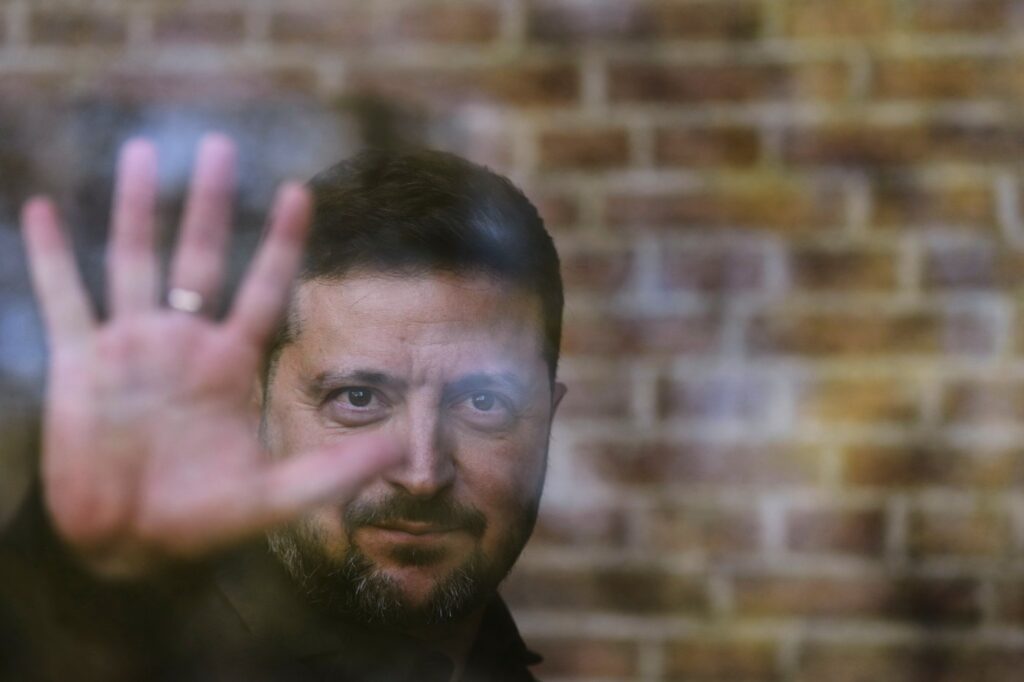
BRUSSELS - European Union envoys convened on Wednesday, carrying cautious optimism that a substantial loan package for Ukraine, aimed at addressing its military and financial requirements over the next two years, could soon gain approval after several months of stalemate.
The meeting focused on assessing the likelihood of Hungary lifting its veto on the 90-billion-euro ($106 billion) loan package, which Ukraine urgently needs to support its war-ravaged economy and fend off advancing Russian forces. Hungary has been adamant about its demand to resume receiving supplies of Russian oil via Ukraine as a precondition for unblocking the funds.
Both Hungary and Slovakia have voiced accusations against Ukraine, claiming it has failed to repair a damaged pipeline essential for transporting Russian oil. Most EU nations, alongside Ukraine, oppose the ongoing imports of Russian oil, which have been crucial in financing President Vladimir Putin’s protracted war, now in its fifth year.
Ukrainian President Volodymyr Zelenskyy announced on social media that repairs on the Druzhba pipeline have been completed. He remarked that the pipeline, which had suffered damage from a Russian strike, was now ready to resume operations. However, Hungary's outgoing Prime Minister Viktor Orbán has indicated that approval for the Ukraine loans would only follow the restart of oil deliveries, placing the onus on Budapest to indicate clarity regarding lifting the veto.
Orbán, known for his repeated blocks on EU aid to Ukraine, lost an election on April 12 and is anticipated to step down next month. His successor, Péter Magyar, is a pro-European opposition leader. Cyprus, which holds the EU's rotating presidency, plans to initiate a written procedure for finalizing the loan package, mandating Hungary or any opposing nation to articulate their objections in writing. This process may remain open for 24 hours or longer, leaving a potential approval on the horizon for the upcoming EU summit in Cyprus.
While the atmosphere is layered with cautious optimism, EU foreign policy chief Kaja Kallas refrained from making assertive predictions, emphasizing the unpredictability stemming from past setbacks. She mentioned a preference for discretion, stating, “We expect an agreement in 24 hours, so I don’t want to jinx it.”
Initially, the EU intended to leverage frozen Russian assets as collateral for the loans; however, this plan was obstructed by Belgium, where most of these assets are maintained. Last December, the Czech Republic, Hungary, and Slovakia had initially agreed to allow their EU partners to secure the funds on international markets, provided they would not be obliged to partake in the scheme. Orbán's later withdrawal from this agreement over pipeline issues angered the other EU nations, especially as he ramped up anti-EU sentiment during his electoral campaign.
In his address on Tuesday evening, President Zelenskyy asserted that there are no justifiable reasons for blocking the loans, reaffirming that Ukraine has fulfilled the EU’s request to repair the Druzhba pipeline. He emphasized that the infrastructure has been reinstated, reiterating Ukraine's readiness to cooperate.
Further complicating matters, the EU has been working since February to impose new sanctions on Russia, which Hungary and Slovakia continue to hold up. Slovak Foreign Minister Juraj Blanár stated that Slovakia would only back the new sanctions once Russian oil shipments resume flowing into Slovakia via the Druzhba pipeline. Meanwhile, Slovakia's Economy Minister Denisa Saková expressed hope for resuming oil supplies early Thursday, indicating that reports from Ukrtransnaft suggest oil began entering the pipeline on Wednesday.








