

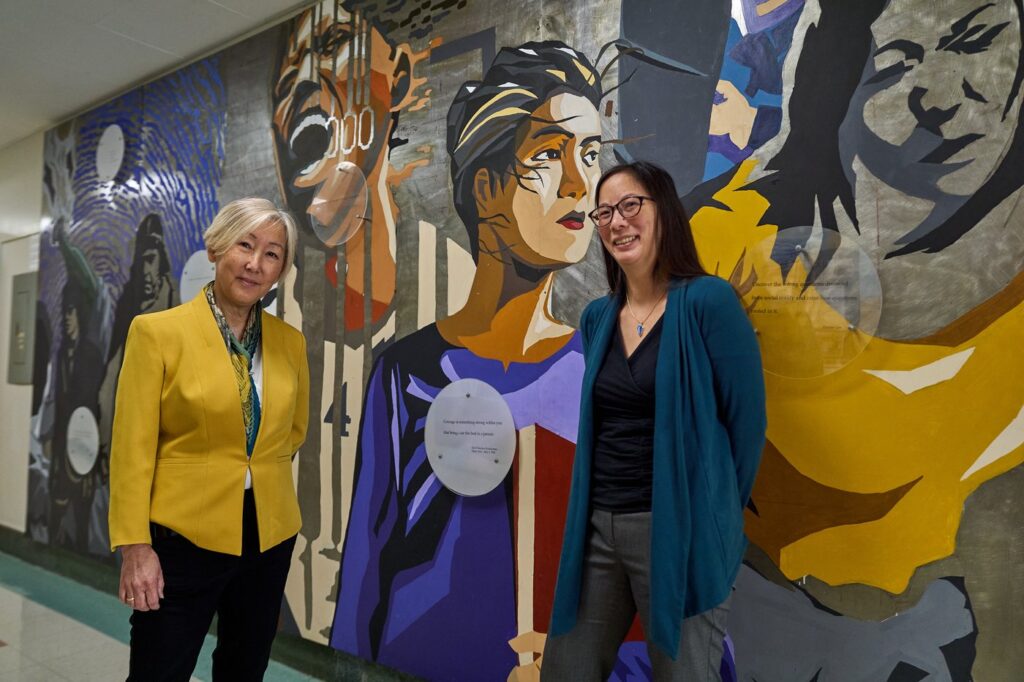
The concept of the "model minority" and the "perpetual foreigner" continues to shape stereotypes around Asian Americans and Pacific Islanders (AAPI), depicting them as passive figures within American cultural and political spheres. However, a new initiative from the UCLA Asian American Studies Center aims to challenge these misconceptions and change the narrative by providing educational resources focused on AAPI history. The "Foundations and Futures: Asian American and Pacific Islander Multimedia Textbook" is a free digital textbook developed by a diverse group of 100 contributors, including scholars, curriculum developers, and illustrators.
Co-editor and Director of the UCLA Asian American Studies Center, Karen Umemoto, emphasized the project as a response to the historical exclusion of AAPI experiences in traditional educational narratives. She highlighted that compiling the textbook was more than just a scholarly effort; it symbolized a struggle for inclusion and visibility within American society. With the intent to be a comprehensive guide, the textbook covers a wide array of AAPI communities, their unique narratives, and historical challenges, with the promise of additional chapters being added over time.
April is recognized as AAPI Heritage Month, but the creators of this textbook aspire to maintain a year-round focus on AAPI histories and contributions. Co-editor Kelly Fong expressed excitement at the potential for students to see themselves and their communities represented in this essential text. As political dynamics shift in the U.S. educational landscape, including efforts by former President Donald Trump and other Republicans to dismantle diversity, equity, and inclusion (DEI) initiatives, the authors acknowledge challenges in widespread acceptance for the textbook. Nonetheless, their commitment to this educational endeavor remains unwavering.
The development of the textbook began eight years ago and gained urgency in light of rising anti-Asian hate crimes during the COVID-19 pandemic. Fong described the creation process as a bridge during a time of heightened racial awareness. The textbook's objective aligns with California's 2021 law mandating ethnic studies as a high school graduation requirement. Subsequently, in 2022, the UCLA Asian American Studies Center secured federal and state funding to advance the project.
Umemoto hopes that through education and sharing personal stories of immigration and struggle, the textbook will foster "historical empathy" among readers. Going beyond the typical discussions found in standard textbooks, the new multimedia resource includes narratives about various AAPI communities, such as the Vietnamese, Hmong, and Indigenous Hawaiians, alongside personal stories of individuals like Cornelia Delute, a Filipina advocate for farmworkers, and Mamie Tape, a Chinese American girl whose quest for education highlighted systemic discrimination.
The textbook also features prominent figures in AAPI history, such as Patsy Takemoto Mink, the first woman of color and Asian American woman to serve in Congress. Her daughter, Gwendolyn "Wendy" Mink, contributed to the chapter about her mother, emphasizing the need for greater recognition of their struggles and achievements. Mink reflected on the importance of preserving her mother's legacy, as the generation of civil rights fighters diminishes.
Despite shifting political attitudes, including claims by some Republicans that DEI programs discriminate against various groups, including Asian students, the editorial team remains focused on supporting educators who wish to incorporate the textbook into their curriculum. Fong noted that teachers are navigating a complex cultural climate, and the textbook serves as a resource to enrich marginalized histories within education.
Tina Ellsworth, president of the National Council for the Social Studies, expressed optimism about the impact the textbook will have due to its free accessibility and the credible backing of a major university. As the authors seek an additional $5 million in private funding for further development and expansion of the textbook, the vision includes broadening the scope to include perspectives of Tongan Americans and Taiwanese Americans, capturing a range of untold stories that await discovery.








