

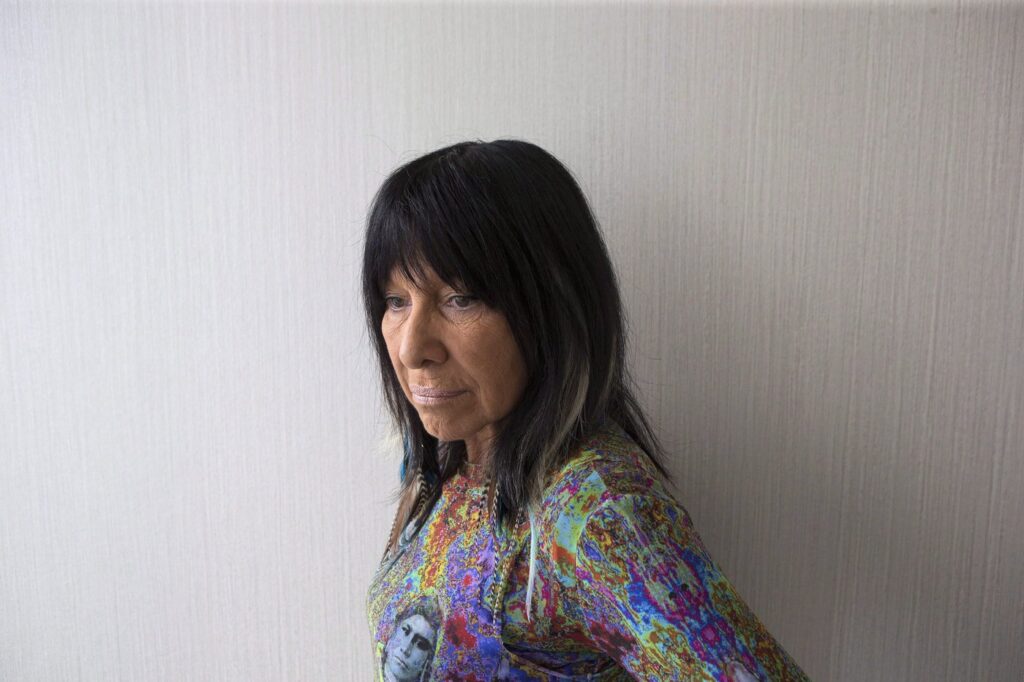
The University of Toronto has made the controversial decision to rescind the honorary degree awarded to the renowned singer Buffy Sainte-Marie, which she received seven years ago. This action follows ongoing debates and scrutiny surrounding her claims of Indigenous heritage.
The university announced that a petition was submitted last year requesting the revocation of the honorary Doctor of Laws degree conferred upon Sainte-Marie in 2019. After careful consideration, the Standing Committee on Recognition unanimously recommended the degree's rescindment, which was subsequently approved by the school’s Governing Council on May 13.
This decision is particularly influenced by a 2023 investigative report aired by CBC. The report raised questions about Sainte-Marie's Indigenous heritage by presenting evidence that contradicted her narrative. According to the findings, a birth certificate indicates she was born in 1941 in Massachusetts, and conversations with U.S. family members suggested that she lacks Indigenous ancestry and was not adopted.
Buffy Sainte-Marie, known for her impactful contributions to music and activism, is not the first individual to face a revocation of honors amid ongoing investigations into their backgrounds. The University of Toronto joins other institutions that have also decided to withdraw accolades previously granted to Sainte-Marie due to the lack of verified information about her place of birth and cultural identity.
In a previously noted incident in 2025, Sainte-Marie returned her Order of Canada medals "with a good heart." During that time, she confirmed that she is an American citizen and holds a U.S. passport. When confronted about her birth circumstances and the legitimacy of her claims to Indigenous identity, she stated, "My Cree family adopted me forever, and this will never change." This assertion reflects her deep emotional ties to her adoptive family and cultural claims.
Sainte-Marie has consistently identified as First Nations from Canada, even though she was adopted as a young child and raised in Massachusetts by her adoptive parents, Albert and Winifred Sainte-Marie. Winifred was reported to have identified as partially Mi’kmaq, which could potentially lend some credence to Sainte-Marie's claims, albeit without formal documentation.
Her 2018 authorized biography provides further complexity to her identity narrative, stating there is no official record of her birth. The biography suggests that she was likely born on the Piapot First Nation in the Qu’Appelle Valley in Saskatchewan during the early 1940s, with her birth name recorded as Beverley. The name Buffy was adopted during her high school years.
Buffy Sainte-Marie gained significant recognition and fame as a folk performer within Toronto’s Yorkville music scene, where she became known for writing powerful songs such as the anti-war anthem "Universal Soldier." Additionally, she earned critical acclaim, winning an Oscar for her contribution as one of the songwriters of “Up Where We Belong,” featured in the 1982 film “An Officer and a Gentleman.”
This situation continues to stir dialogues around identity, cultural appropriation, and the importance of authentic representation within the Indigenous community and beyond. The University of Toronto's move to rescind Sainte-Marie’s honorary degree signals a broader examination of how heritage claims are substantiated and the implications they carry for public recognition and honors.








