

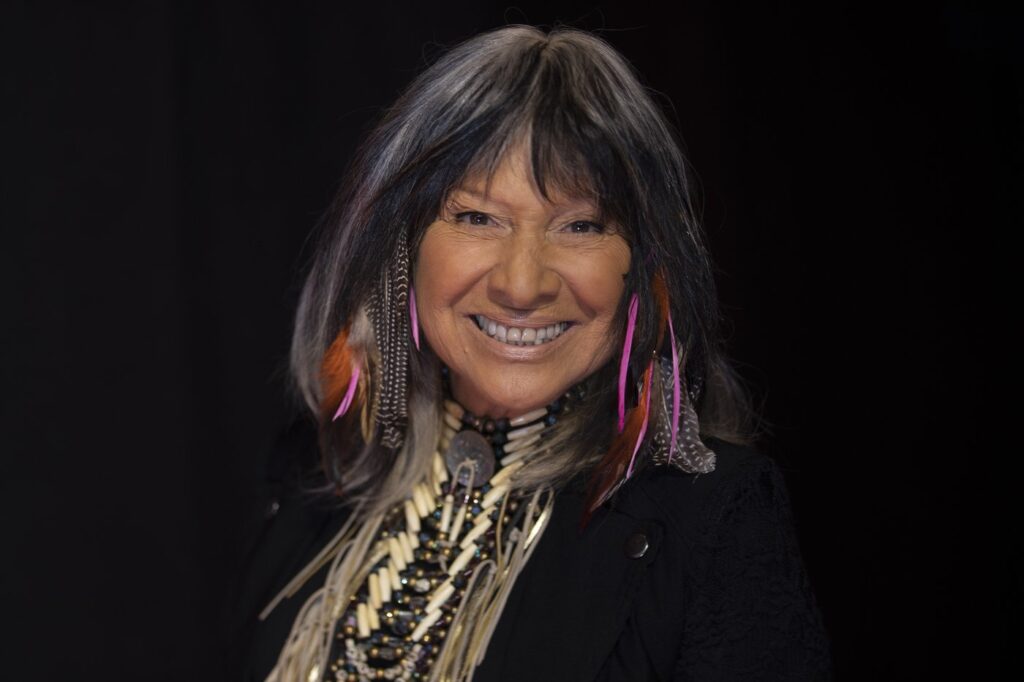
The University of Toronto has officially rescinded the honorary degree awarded to folk singer Buffy Sainte-Marie, a decision that marks the latest development in a controversy surrounding her Indigenous heritage. This decision follows a 2023 investigation by CBC News that raised questions about the authenticity of Sainte-Marie's claims to Indigenous ancestry, leading to the loss of several honors including her Order of Canada and Polaris Prize.
In her response to the situation, Sainte-Marie disputed the findings of the CBC report but admitted in a statement to The Canadian Press that she is an American citizen and not a Canadian citizen. Throughout her career, Sainte-Marie gained significant recognition as a folk performer, notably within Toronto's Yorkville music scene. She has also been an ardent activist for Indigenous rights on both sides of the Canada-U.S. border, integrating these themes into her music and public appearances.
The University of Toronto did not disclose specific reasons for the revocation of Sainte-Marie's honorary Doctor of Laws degree, stating that a petition submitted in February 2025 triggered the review process. A committee reviewed the matter and recommended the revocation during a meeting held on April 20 of the same year. This recommendation was subsequently endorsed by the executive committee and ultimately approved by the university’s governing council.
This decision places Buffy Sainte-Marie alongside Duncan Campbell Scott, as one of only two individuals whose honorary degrees have been rescinded by the University of Toronto since the formation of the Standing Committee on Recognition in 2024. The university spokesperson remarked that they cannot confirm instances of degree revocations that may have occurred in the institution's 200-year history prior to the establishment of this formal process.
Buffy Sainte-Marie has long been a figure of cultural significance, celebrated for both her artistic contributions and her commitment to activism. Despite the ongoing controversy surrounding her heritage, she remains a respected icon in the realms of music and Indigenous advocacy. The recent developments highlight a broader conversation about identity and representation, particularly concerning claims of Indigenous lineage.
The timeline of events leading to this decision emphasizes the evolving scrutiny placed on public figures regarding their claims of identity. This case underscores the complexities involved in navigating artistic legacy alongside personal and cultural authenticity. The University of Toronto's actions reflect an increasing willingness to address such issues within academic and public institutions.








