

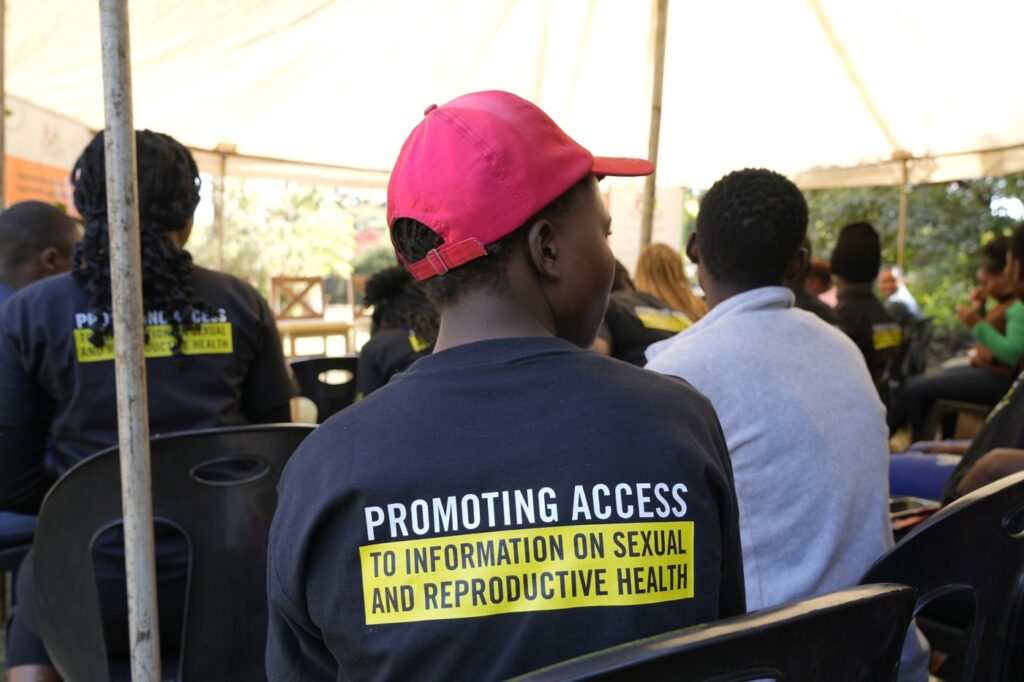
Canadian aid organizations are grappling with how to react to recent American policies that restrict U.S. funding for groups in developing countries providing abortion services, science-based sexual health information, or LGBTQ+ advocacy. This situation has prompted these organizations to urge Prime Minister Mark Carney to form a coalition with like-minded nations to uphold sexual health programming amid increasing pressures.
Erin Kiley, the director of international programs at Oxfam Canada, expressed grave concerns, stating, “People are more likely to die because they’re not receiving this kind of assistance.” The Mexico City policy, which has been in place since 1985 under various Republican administrations, prohibits American funds from going to organizations that provide abortion counseling or referrals—a policy that is often reinstated after being revoked by Democratic administrations. This policy is frequently referred to as the “global gag rule,” due to its constraints on advocating for the decriminalization or expansion of abortion services.
Numerous studies indicate that such policies may lead to increased instances of unintended pregnancies and unsafe abortions in affected countries. In 2010, the Conservative government of Stephen Harper in Canada adopted a similar stance, increasing maternal health funding while restricting abortion services. In response, aid groups have developed strategies to circumvent both American and Canadian policies, such as utilizing financing from other nations or reallocating their own budgets to create sexual health facilities next to general clinics.
However, U.S. President Donald Trump significantly broadened these policies in February, restricting more types of U.S. funding from reaching groups that accept funds for providing abortion services from other sources. His administration also withheld financial support from organizations that advocate for LGBTQ+ rights or provide gender-affirming healthcare. These developments followed severe cuts to American foreign aid, as Trump's administration forged partnerships with socially conservative governments, aligning funding with religious groups opposed to abortion and LGBTQ+ rights.
Kiley highlighted that Oxfam's partners in southern Africa face challenging decisions regarding their advocacy efforts. Some continue to support gender rights, while others hesitate to address these topics to avoid jeopardizing potential future funding from the U.S. “Coalitions that work in this space are becoming a bit fragmented, because some are trying to align with U.S. government policy and others are trying to be outspoken,” she noted, mentioning a "chilling effect" on rights and advocacy in Zimbabwe.
Oxfam Canada, which primarily eschews U.S. funding, can voice its opinions more freely compared to other charities. Some organizations refrained from commenting for this article due to fears of retaliatory actions from U.S. officials. This discussion was highlighted during an April conference in Ottawa, where Canadian branches of globally recognized charities revealed internal conflicts about how to deal with American funding sources. Various perspectives emerged regarding the ethical implications of accepting U.S. funding for organizations not actively engaged in maternal health or LGBTQ+ advocacy.
Jessica Stern, the special envoy on LGBTQ+ rights appointed by former U.S. President Joe Biden, advocated for accepting U.S. funds when compliance with Trump’s policies is feasible. “U.S. taxpayers are contributing significant dollars, and we should make sure that some of that money goes to good work,” she stated during the conference. She expressed concern over the risk of American funding supporting harmful practices such as anti-gay conversion therapy or regressive domestic violence initiatives.
Erica Belanger, interim head of MSI Reproductive Choices in Canada, asserted that her organization has witnessed a 20% rise in demand for sexual health services since Trump’s policies came into play. In Zambia, her organization has distributed contraceptives in rural areas to fill the gap left by lack of funding from others.
Belanger emphasized, “Canada’s soft power really, really matters in this moment. We need strong government leadership that will stand up for these issues.” The Canadian Partnership for Women and Children’s Health echoed this sentiment, urging the Canadian government to build a coalition focused on preserving sexual health services and advocating for reproductive rights.
Caitlin Goggin, CEO of the coalition, argued that U.S. policy aims to fragment the global health system and complicate funding dynamics for local organizations. She articulated, “This is a health rights issue for women and families. And without full access to the comprehensive slate of services, women don’t have full bodily autonomy around the world.”
While Randeep Sarai, Canada’s Secretary of State for International Development, was unavailable for comment, his office stated that it is working with Canadian organizations to evaluate the implications of U.S. changes to foreign aid. Shanti Cosentino, a spokesperson, reaffirmed that gender equality remains a cornerstone of Canada’s development programming and that the nation will continue to advocate for these principles globally through platforms such as the G7 and the United Nations.
There are hopes within the aid sector that Canada will extend its ten-year commitment to funding health services through a gender lens, which is set to expire in 2030.








