

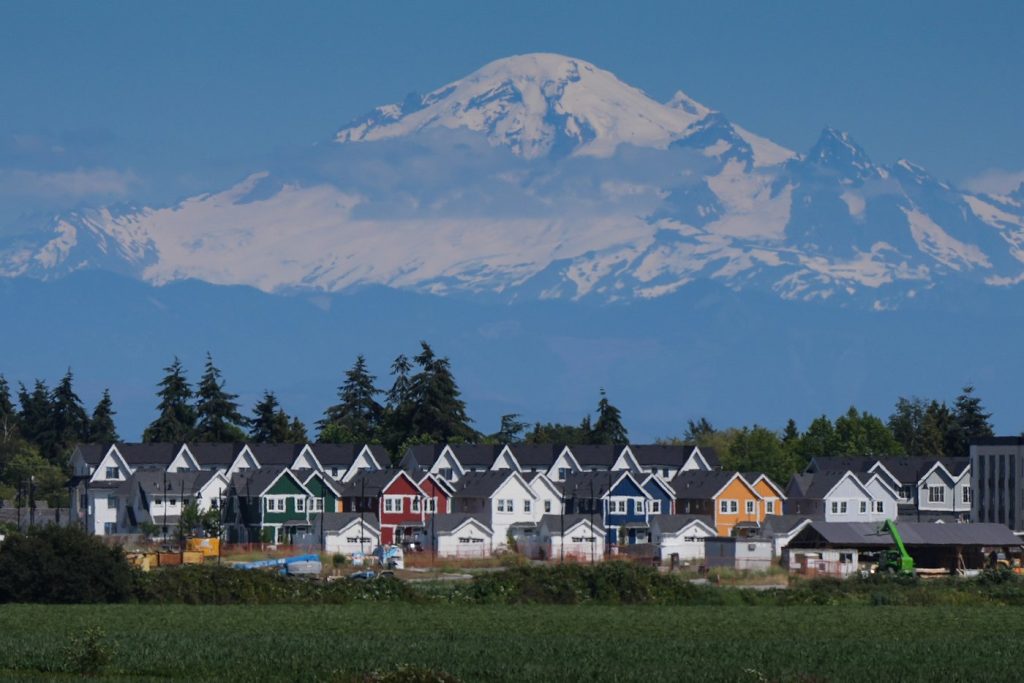
As 2026 progresses, the outlook for Canada’s real estate sector is cautious, with initial optimism around a flourishing spring market failing to manifest fully. Despite reports from local real estate boards indicating a slight rebound in certain regions from the previous year’s slow spring, many potential buyers still remain hesitant to enter the market.
Tim Hill, a Vancouver-based agent with Re/Max All Points Realty, noted, “People just aren’t as excited right now about real estate.” He emphasized that the excitement in real estate usually correlates with rising prices, which creates a fear of missing out for potential buyers.
In Greater Vancouver, which is Canada’s most expensive real estate market, sales dipped by 2.5 percent year-over-year in April, typically seen as the beginning of the spring real estate season. On a national scale, the Canadian Real Estate Association (CREA) reported a 2.2 percent increase in prices last month, juxtaposed with a four percent decline in resale transactions compared to April 2025.
CREA has recently revised its 2026 housing market forecast downward, now projecting only a one percent increase in home sales for the year versus its previous estimate of 5.1 percent. The association cited ongoing trade uncertainties and geopolitical factors, including the war in the Middle East, which are contributing to heightened inflation and could lead the Bank of Canada to raise its key policy rate.
Hill expressed skepticism about any significant changes to the market in the near future, stating, “I think we’re going to have much of the same for the remainder of this year.”
Robert Kavcic, a senior economist at BMO, indicated that the spring market may not have reached its peak yet in terms of sales volume. As the demand increases, it is plausible that sellers will consider relisting properties previously taken off the market during last year's downturn. This could maintain supply levels, thus hampering price increases in the near term.
Kavcic elaborated on the current market conditions, commenting, “Affordability has improved, but hasn’t reached a level that’s going to pull a whole bunch of buyers off the sideline.” The persistent high mortgage rates have also contributed to this stagnation.
Zach Pendley, who oversees real estate transactions and valuations at EY Canada, highlighted a combination of factors leading to the gradual pace of housing market recovery. The immigration targets were significantly reduced last year, resulting in a decline in population growth—the very factor that had heated up the real estate sector post-pandemic. Furthermore, the demand for condominiums, particularly in Toronto and Vancouver, has sharply declined.
According to Pendley, the once-thriving investor market was buoyed by the ability to purchase condos and rent them out to newcomers or students. With diminished population growth, he noted, the underlying demand for such properties has also weakened. Despite both buyers and sellers needing to recalibrate their expectations to accommodate this “new reality,” Pendley suggested there are signs that the worst of the market downturn may be over.
Jessica Hammell of Real Broker Ontario described a “tempered enthusiasm” among Toronto-area buyers. The Greater Toronto Area (GTA) experienced a seven percent increase in sales compared to the previous year in April, though the activity remained significantly lower than in April 2024. Average prices in the GTA fell nearly five percent from April 2025 to $1,051,969. Hammell noted that while first-time buyers remain enthusiastic, they are now more selective and methodical in their approach to potential purchases.
Moreover, a key factor influencing the resale market’s potential resurgence is whether incomes will adequately catch up with housing prices. Mathieu Laberge, the chief economist at Canada Mortgage and Housing Corp., pointed out that pent-up demand is becoming evident, although significant uncertainties in the economy persist. He remarked, “There’s a bit more confidence building in Canada, but we’re not out of the woods yet.”
Kavcic added a note of optimism regarding the resilience of the Canadian economy in light of global trade issues and conflicts. He believes the housing market is trending toward more realistic valuations following significant price increases observed five years ago. Although some areas may begin to stabilize due to supply and demand dynamics, he warned that the overarching narrative reflects a necessary correction following a highly inflated housing market.
This ongoing situation paints a picture of a Canadian real estate sector grappling with numerous challenges and uncertainties, as both buyers and sellers navigate a complex and shifting market landscape.








