

Fans of true crime documentaries frequently encounter terms such as bloodstain patterns, ballistics evidence, and sniffer-dog searches. However, recent research from the University of British Columbia (UBC) suggests that these forensic methods may not be as reliable as many have previously assumed. This study raises critical questions regarding the evidentiary weight that investigators and courts place on these techniques, cautioning that their perceived solidity could, in fact, be misleading.
According to Sara Gordon, an associate professor at the Peter A. Allard School of Law at UBC and the author of the study, the longstanding use of these techniques in court does not guarantee their reliability. Gordon emphasizes the importance of scrutinizing the scientific foundation of forensic evidence, particularly given the stakes involved in criminal trials. "Just because a technique has been used in court for decades doesn’t mean we should take its reliability for granted, especially when someone’s liberty is at stake in a criminal trial," she stated.
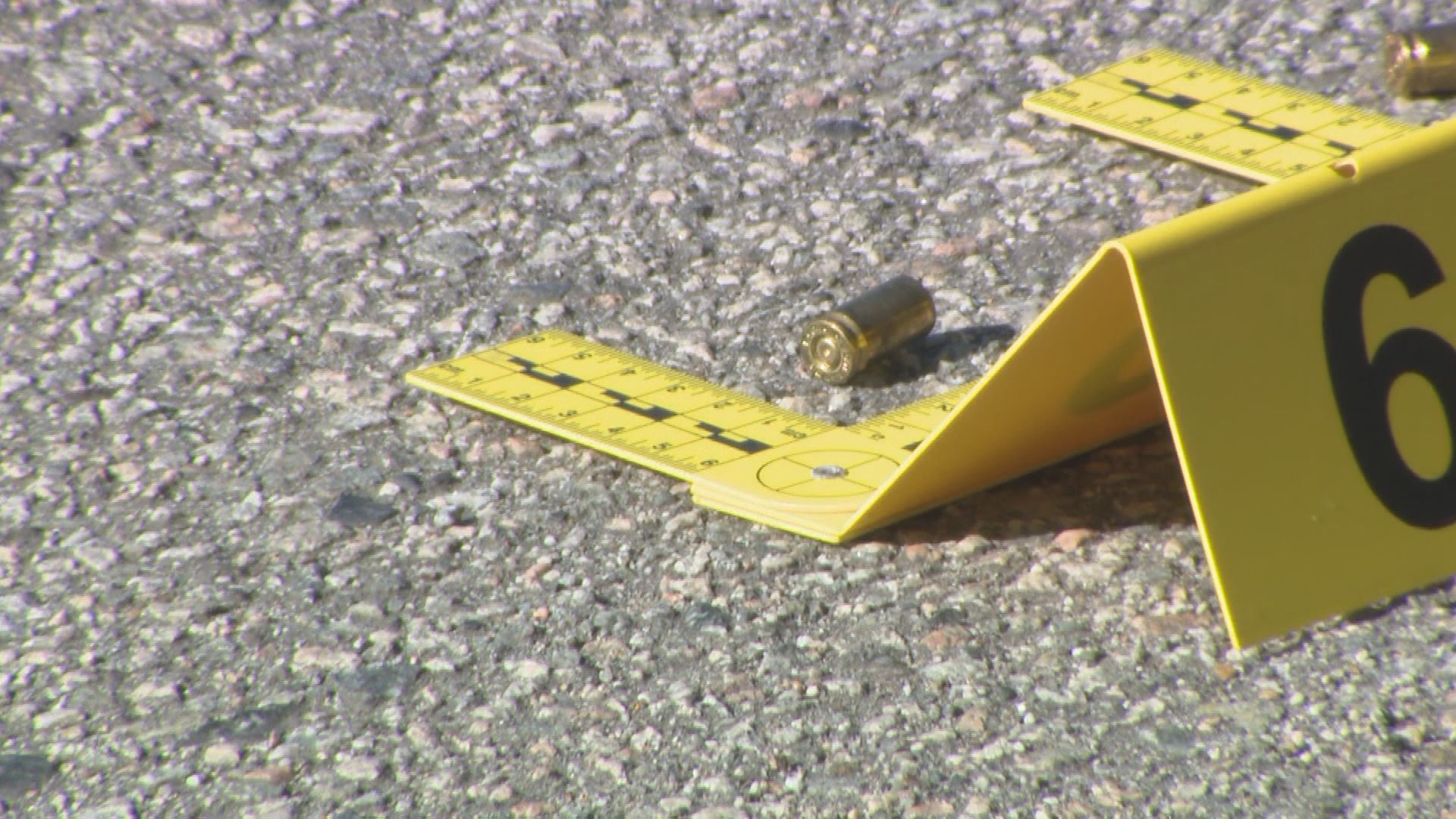
One prominent example highlighted in the research is ballistics evidence, which involves the examination of bullets and cartridge cases to link them to specific firearms. In a demonstration conducted as part of the study, investigators misidentified bullets 37 percent of the time. This significant error rate calls into question the accuracy of one of the key evidential methods often presented in court.
Additionally, the study examines bloodstain pattern analysis, which Canadian courts frequently accept as solid proof. However, Gordon notes that many practitioners in this field employ principles of fluid dynamics without proper training in physics. "If you dig a little deeper, you start to see that the field rests on a much shakier scientific foundation than courts have often assumed," she remarked. UBC’s findings indicate that analysts could correctly classify bloodstain patterns only 70 percent of the time on solid surfaces, with the success rate dwindling to 62 percent on fabrics.
The research also scrutinizes the use of drug-detection or sniffer dogs, which have been shown to yield inaccurate results. A study conducted in Australia revealed that nearly 75 percent of alerts given by police dogs turned out to be unfounded. Gordon advocates for the establishment of clearer standards for the training, certification, and performance monitoring of these canine units to mitigate the risks associated with their use in law enforcement.
Importantly, the researchers urge judges to ensure that expert evidence presented in court is substantiated by scientific principles. They stress the need for heightened scientific literacy among legal professionals, including lawyers and judges, to foster a better understanding of the limitations associated with various forensic techniques.
The research from UBC underscores the necessity for a re-examination of the foundations of forensic science, questioning long-held assumptions about its reliability and accuracy. By promoting a better understanding of the scientific underpinnings of forensic evidence, the hope is to improve the judicial process and, ultimately, justice outcomes.








