

TOKYO (AP) – Japanese panda enthusiasts flocked to Ueno Zoo on Sunday for the last public viewing of the twin pandas, Xiao Xiao and Lei Lei, before they are set to return to China on Tuesday. This departure marks a significant moment for Japan, as it will be without giant pandas for the first time in 50 years. The likelihood of acquiring new pandas seems slim, attributed to the currently strained diplomatic relations between Tokyo and Beijing.
The history of panda diplomacy between China and Japan began in 1972 when China sent pandas to Japan to commemorate the normalization of diplomatic ties. The pandas quickly gained popularity and became national icons, with subsequent generations also cherished by the public. However, the impending departure of Xiao Xiao and Lei Lei is particularly poignant, as they were born in Ueno Zoo in 2021 and have drawn record crowds, despite a one-minute limit on viewing time in their enclosure.
Visitors, many with panda-themed merchandise, have been calling out the siblings' names and documenting their antics as they munch on bamboo. It is noteworthy that while China loans pandas to various countries, it retains ownership over them and any cubs they may conceive.
Furthermore, Chinese Foreign Ministry spokesperson Guo Jiakun expressed awareness of the affection that the Japanese have for giant pandas, albeit with an invitation for them to visit the pandas in China instead of sending new ones back to Japan.
One devoted panda enthusiast, Takahiro Takauji, has centered his life around the species for the past 15 years, deeply connecting with the twins' parents, Shin Shin and Ri Ri, upon their arrival from China. Takauji described their quirky behaviors as both adorable and amusing, capturing over 10 million photographs of them since. His routine visits to the zoo culminated in a frantic effort to secure a spot for one last viewing, where he managed to take approximately 5,000 photos during a constrained one-minute session.
Relations between Japan and China have soured recently, influenced by political, trade, and security disagreements. Rising tension has been exacerbated by remarks from Japanese Prime Minister Sanae Takaichi regarding potential Chinese actions against Taiwan, which Japan claims may incite intervention. Diplomatic ties remain fragile, with ongoing territorial disputes and historical grievances further complicating the situation.
Panda diplomacy has long been a part of China's soft power strategy, aimed at fostering goodwill through the gifting and leasing of these beloved animals for conservation and research programs. The first pair of pandas sent to Japan, Kang Kang and Lan Lan, arrived on October 28, 1972, soon after the signing of a joint communique that restored diplomatic relations between Japan and China.
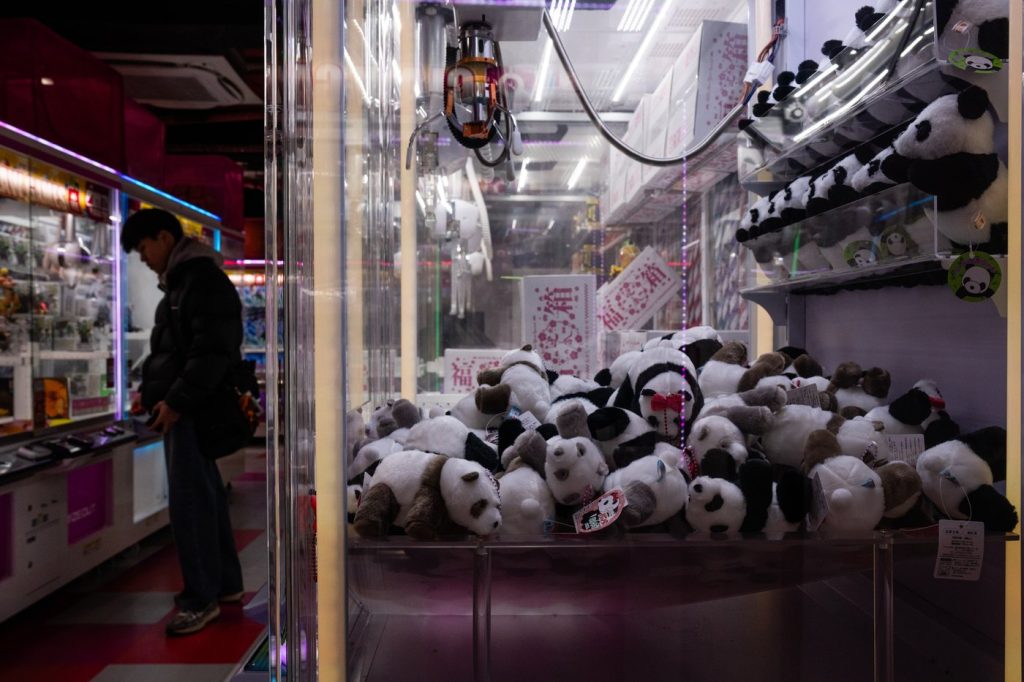
While pandas have traditionally symbolized friendship, recent events indicate that diplomatic and political tensions could hamper future exchanges. As a testament to their popularity, panda imagery abounds in Tokyo, from cookies and stuffed toys to station murals, reflecting the deep-rooted connection between pandas and Japanese culture. The absence of these animals from Ueno Zoo could result in an estimated annual economic loss of approximately 20 billion yen ($128 million), according to an economics professor at Kansai University, further emphasizing the significance of pandas to Japan's national identity and tourism economy.
As Ueno Zoo prepares for the loss of its signature residents, local businesses and panda lovers alike express their hope that the charming bears will return to Japan, keeping the beloved tradition of panda diplomacy alive for future generations.








