

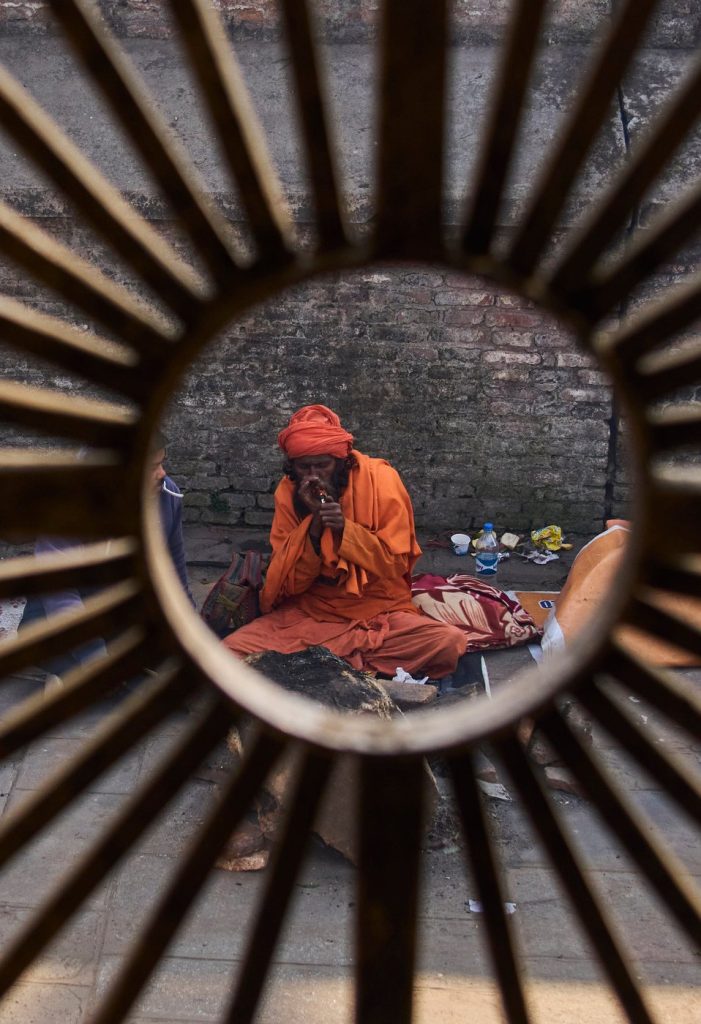
KATHMANDU, Nepal (AP) - On a vibrant Sunday, Hindu holy men and predominantly young devotees partook in the ritual of puffing on cannabis smoke to celebrate one of Nepal's major religious festivals, Maha Shivaratri. Thousands gathered at the Pashupatinath temple, a revered site dedicated to the Hindu god Shiva, located in the capital city of Kathmandu.
Traditionally, marijuana usage is illegal in Nepal, with penalties that can reach up to a month in prison for users and a maximum of ten years for traffickers. However, during this celebration, exceptions are made due to Shiva's strong association with cannabis consumption, as he is often depicted in religious texts and imagery partaking in the substance. During the festivities at Pashupatinath, devotees engaged in prayers, danced, and sang religious songs, creating a lively atmosphere filled with spirituality.
Reports indicated that devotees not only from Nepal, but also pilgrims from neighboring India traveled to participate in the festivities. The scene was picturesque, with tens of thousands queuing for prayers and offerings along the temple grounds. Across the Bagmati River, holy men, their bodies adorned with ash, were seen smoking marijuana while many other individuals, including Nepali men and some women, joined in the practice atop the forested Bankali hills.
Dating back to the 1960s, Nepal had once gained notoriety for its marijuana culture, attracting a wave of hippies who visited the Himalayan nation for recreational purposes. During this time, marijuana was sold legally in shops and tea houses, but the landscape shifted dramatically when the substance was outlawed in 1976. Since then, discussions and initiatives aimed at decriminalizing marijuana in Nepal have emerged. Campaigners and members of parliament have made attempts to legalize its farming and use, but these efforts have seen limited progress.
As the celebration unfolded, the tension between the traditional practices associated with Shiva and the legal ramifications surrounding marijuana in Nepal became evident. Despite the prevailing laws, the Maha Shivaratri festival serves as a unique occasion where the consumption of cannabis is not only tolerated but is also openly practiced by many. The event highlights the cultural significance of marijuana within this specific religious context, drawing attention to the larger societal debates surrounding its legality in Nepal.
In conclusion, the Maha Shivaratri festivities at Pashupatinath temple illustrate a fascinating intersection of culture, religion, and law, exemplifying how a traditional religious practice can challenge contemporary legal frameworks regarding substance use. The large attendance of devotees and the openness with which they celebrated tradition emphasizes the need for continued discussions about the future of marijuana legislation in Nepal.








