

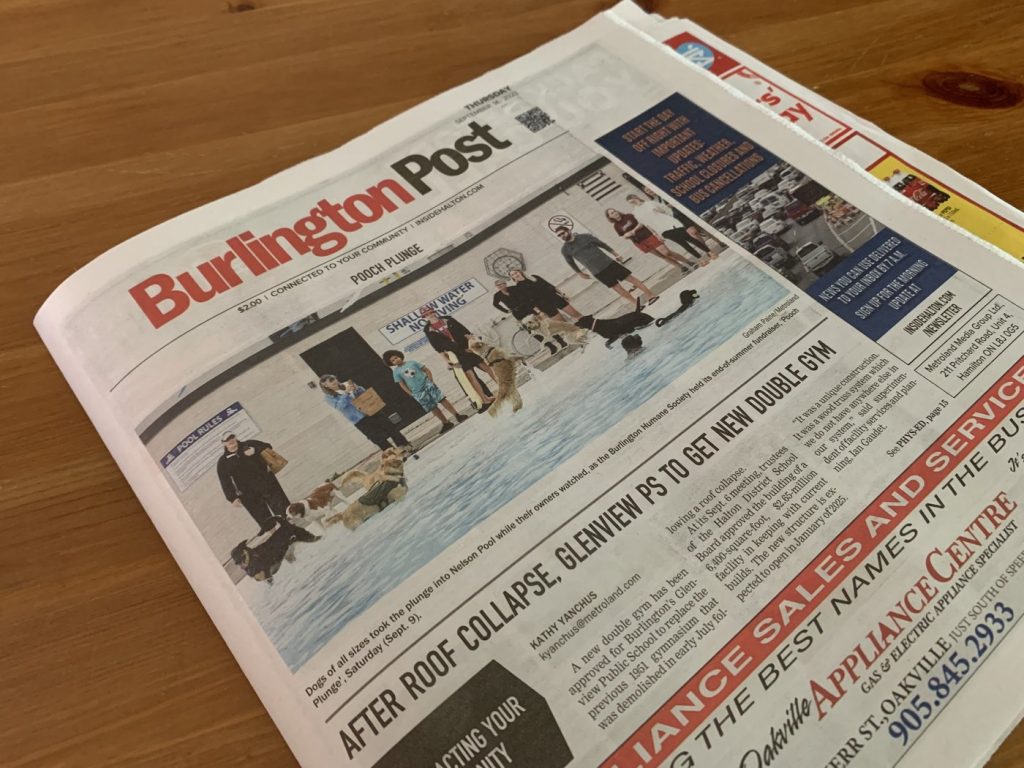
TORONTO In a notable turnaround for local journalism, Torstar and Metroland Media Group have announced the revival of print editions for four local newspapers within the Greater Toronto Area. This decision marks a significant shift in strategy after the transition to a digital-only format in 2023 for most of their hyperlocal publications.
The monthly print edition of the Burlington Post, which made its debut last week, aims to reconnect with readers in the Burlington area. Additionally, the Oakville Beaver is set to be accessible for readers starting Wednesday, with copies available at public locations and local businesses.
Print relaunches are also planned for two more papers in the region: Whitby This Week is slated to return to print on April 8, while Oshawa This Week is scheduled for its relaunch on April 15.
In conjunction with these print revivals, Metroland Media Group is reinvigorating its journalism internship program. This initiative includes the introduction of 20 new editorial intern positions for the upcoming summer, alongside year-long opportunities available across Ontario. The aim is to nurture emerging talent in journalism and strengthen the local news landscape.
The backdrop for these developments includes a challenging landscape for local newspapers, particularly following Metroland’s restructuring process last year, when they sought protection under the Bankruptcy and Insolvency Act. At that time, Metroland transitioned most of its hyperlocal newspapers to a digital-only format, with the exception of six major daily newspapers.
Financially, Metroland benefitted from over $3.2 million in payments from Google in 2023. This arrangement was made in exchange for granting the tech giant an exemption from the Online News Act, highlighting the ongoing struggle for local news organizations to secure sustainable funding in a rapidly evolving digital landscape.
This initiative by Torstar and Metroland reflects a broader trend within the media industry, where traditional print media is exploring new ways to engage audiences and secure their relevance in the community. As print editions return, it underscores an effort to maintain a stronger presence in local journalism, providing residents with accessible news content that could enhance community engagement.
The implications of these changes may resonate strongly within the Greater Toronto Area, where local news coverage plays a crucial role in informing residents about community events, issues, and developments. The shift back to print indicates a recognition of the enduring value of physical newspapers and their connection with communities.
While the challenges of digital transition are far from resolved, the commitment to reviving print publications may offer new opportunities to bolster local journalism and reestablish connections with audiences who prefer traditional media formats. As the relaunches roll out over the coming weeks, it will be interesting to gauge public response and the potential impact on local readership.








