

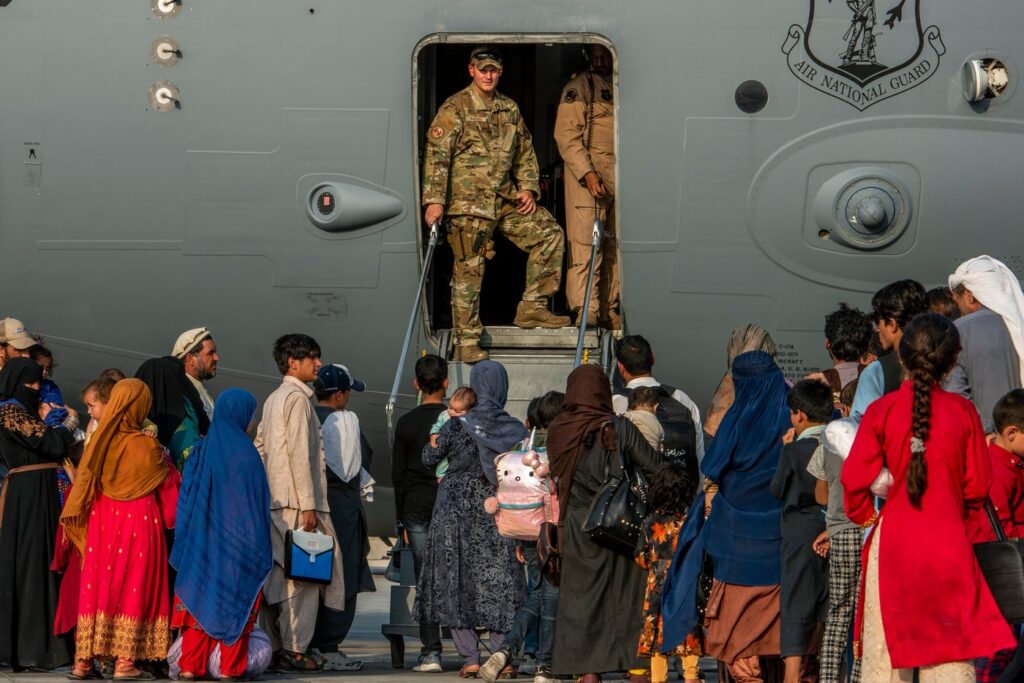
KABUL, Afghanistan (AP) Afghanistan's foreign ministry announced that Afghans who assisted the U.S. war effort and have been stranded in Qatar can safely return to their home country. The statement from foreign ministry spokesman Abdul Qahar Balkhi follows reports of U.S. discussions regarding relocating approximately 1,100 Afghan refugees to Congo.
The organization #AfghanEvac, which supports Afghan resettlement efforts, revealed that U.S. officials informed them of potential plans to transfer Afghan refugees from Camp As-Sayliyah, a U.S. base in Doha, where they have been residing for over a year. However, the U.S. State Department did not confirm specific countries that are being considered for the resettlement of these refugees but acknowledged efforts to find “voluntary” relocation options.
Many of the refugees face significant peril should they return to Afghanistan, where they fear retaliation from the Taliban, who regained control after the chaotic U.S. withdrawal in 2021. The foreign ministry expressed that Afghanistan is a homeland for all Afghans, urging those in need to return with confidence, while assuring that there are no security threats in the country that would necessitate leaving.
In a joint statement from the #AfghanEvac group, those in Camp As-Sayliyah expressed that they have not received any official information from U.S. officials regarding the potential relocation to Congo and learned about it through the media. The prolonged uncertainty surrounding their status has severely affected their well-being, causing mental health issues and deep depression among many. The group made it clear that they do not wish to be relocated to the Democratic Republic of Congo, a country currently experiencing its own conflict, stating, “We cannot take our children into another one.”
The refugees also emphasized that returning to Afghanistan is not a viable option, asserting that the Taliban would likely target them for their past assistance to U.S. forces, which they described not as a fear but as a factual certainty known to U.S. officials.
These discussions of relocation come more than a year after former President Donald Trump halted the Afghan resettlement program initiated by his predecessor, part of a broader crackdown on immigration. This policy left thousands of Afghan refugees, many of whom had completed a rigorous vetting process to settle in America, stranded in various regions, including Qatar.
The predicament faced by these Afghans highlights the ongoing humanitarian crisis resulting from the U.S. withdrawal from Afghanistan and the Taliban's resurgence. As the situation continues to evolve, the uncertainty remains a significant burden for the refugees caught in limbo, raising urgent questions about their futures and the responsibilities of the U.S. and international communities toward individuals who aided them during the prolonged conflict.








