

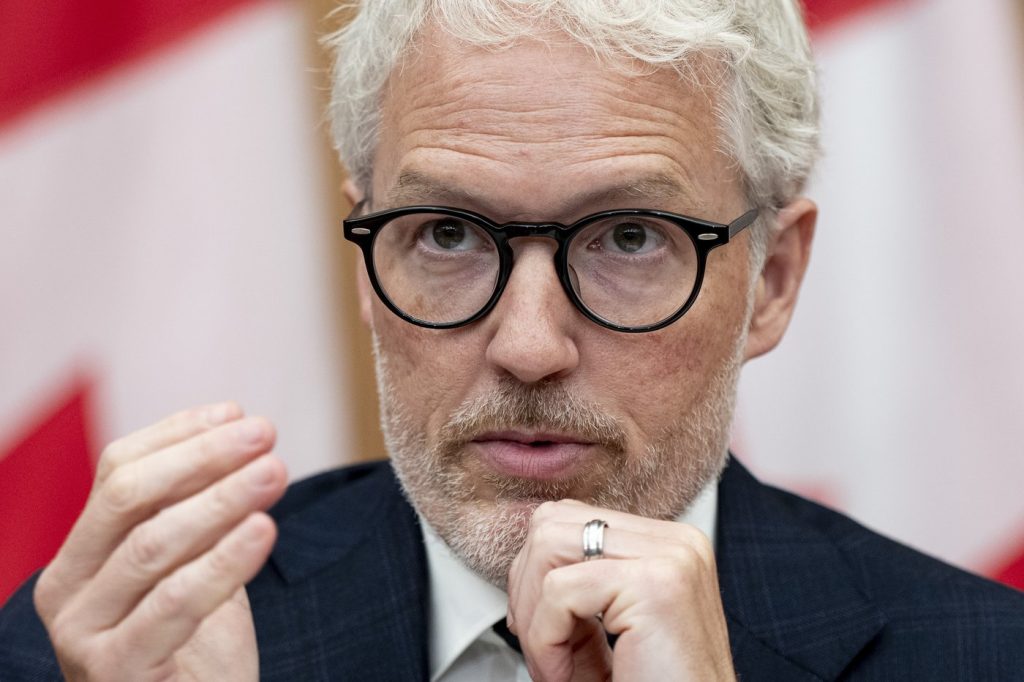
OTTAWA — The federal privacy commissioner of Canada, Philippe Dufresne, is set to investigate the increasing prevalence of sexualized deepfakes generated by Grok, a product of Elon Musk's xAI, and disseminated on the platform X. This investigation marks an expansion of an ongoing review of the practices of X and will also delve into the operations of xAI, which is responsible for creating these controversial deepfake technologies.
Dufresne's office announced that these investigations will scrutinize whether both companies are adhering to Canadian federal private sector privacy laws. A key focus will be to determine if X and xAI have received "valid consent" from individuals whose personal information may have been utilized to create these deepfakes, particularly those that feature explicit content.
The privacy commissioner has expressed concerns that the use of personal information without explicit consent for the creation of deepfake materials poses significant threats to individuals' privacy rights. This development stems from a rising concern surrounding the misuse of technology and personal data in the creation of misleading and potentially harmful digital content.
On Wednesday, Dufresne informed both X and xAI about the initiation of the investigation. The decision to probe into the activities of these companies reflects a growing recognition of the importance of privacy in the digital age, especially as advanced technologies such as artificial intelligence continue to evolve and integrate into everyday life.
This probe aligns with the Canadian federal government’s commitment to safeguarding citizens' privacy rights in an increasingly digital world. Given the alarming rise in deepfake technology being used for malicious purposes, such as creating non-consensual explicit content, the outcome of this investigation may have broader implications for privacy regulations and technological accountability in Canada.
The Canadian Press first published this report on January 15, 2025.








