

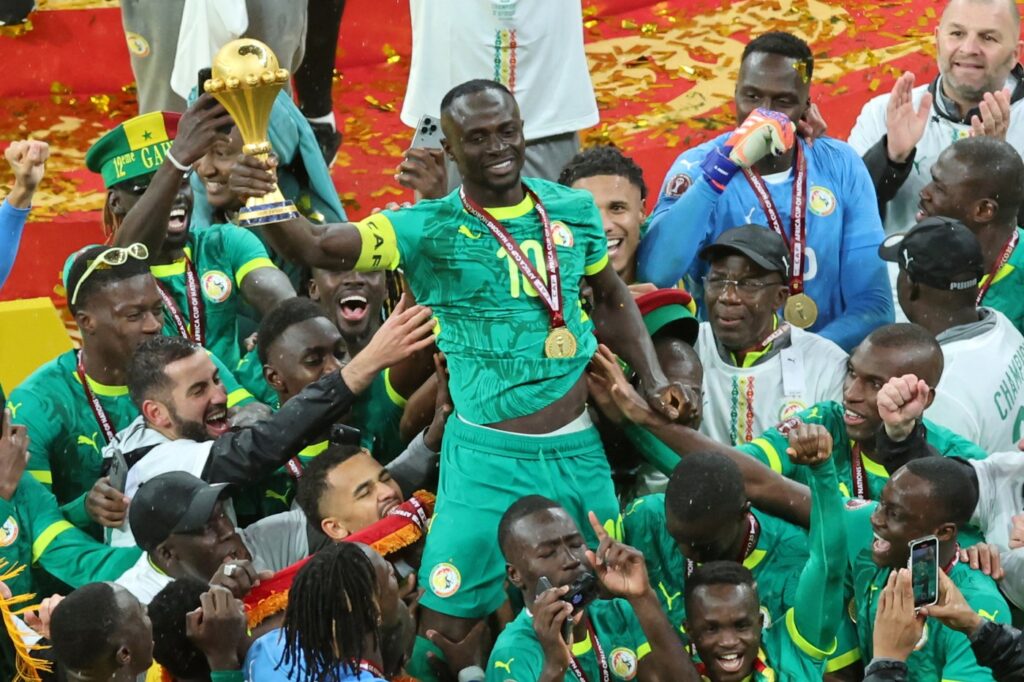
DAKAR, Senegal (AP) – The Senegalese Football Federation (FSF) has publicly condemned what it describes as an "unfair, unprecedented, and unacceptable decision" to remove its national team's Africa Cup of Nations title. This controversial ruling by the Confederation of African Football’s (CAF) appeals board stripped Senegal of their title and awarded it to the host nation, Morocco, following the final match held two months ago.
The decision arose from an incident during the final, which Senegal won 1-0 after extra time. The CAF appeals board ruled that Senegal had "forfeited the final" by walking off the pitch, thereby overturning the match result to a 3-0 victory for Morocco by default. This ruling has sparked outrage within the Senegalese football community, leading the FSF to announce its intent to appeal to the Court of Arbitration for Sport (CAS) in Lausanne, Switzerland.
The FSF expressed that this decision "discredits African football," indicating the significant ramifications such a ruling could have for the integrity of the sport on the continent. The federation reiterated its commitment to upholding "the values of integrity and sporting justice," assuring the public that it will keep them informed of any developments regarding the appeal process. The FSF's statement underlines the seriousness with which they regard the ruling and their determination to contest it.
This case adds to the growing discourse about governance and fairness within African football, particularly under the administration of CAF. The timeline for the appeal process through CAS typically spans up to a year, which means the Senegalese federation could have to wait some time before receiving a final verdict. The implications of this decision will likely resonate beyond Senegal, reflecting broader issues of governance, fairness, and justice in sports.
The controversy surrounding this decision also highlights the competitive and passionate nature of African football, where national pride is intensely intertwined with sporting achievement. As both Senegal and Morocco navigate the fallout from this ruling, the situation promises to remain a focal point of discussion among fans, analysts, and governing bodies within the sport.
In this context, the response from the Senegalese Football Federation will be closely monitored, as it seeks to challenge what it perceives as an unjust ruling. As the case moves forward, it reinforces the often tumultuous relationship between sport and governance, especially in regions where such decisions can carry significant implications for both morale and national pride.
In conclusion, the developments surrounding the Africa Cup of Nations title and the subsequent appeal by Senegal bring to the forefront issues of integrity in sports, with the potential to influence ongoing debates about governance within African football and beyond.








