

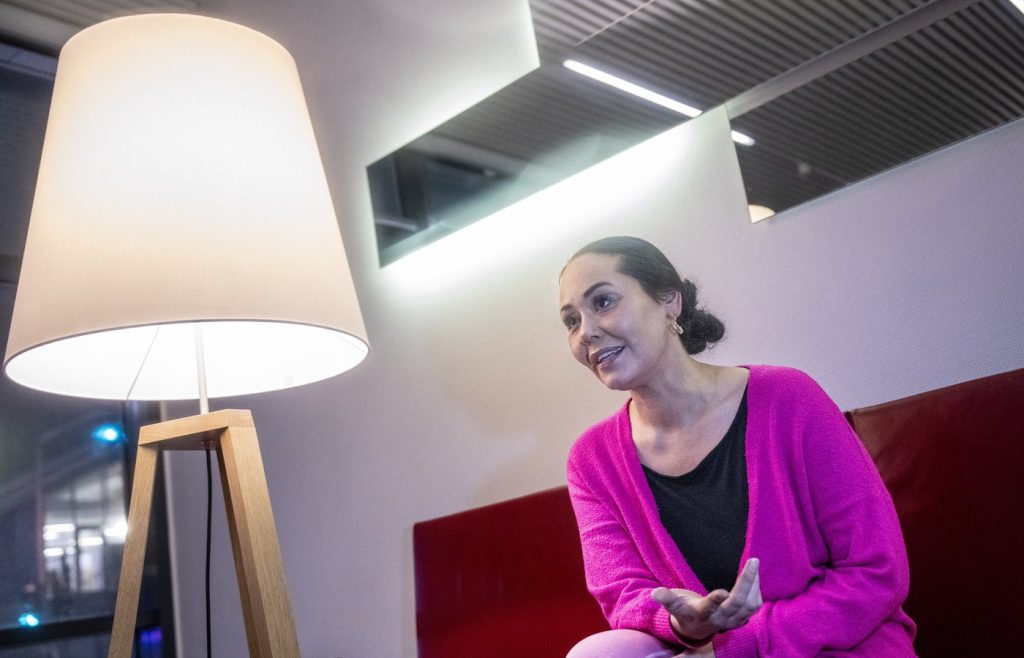
NUUK — The Canadian government has recently appointed a diplomat to establish a new consulate in Greenland, aiming to enhance trade and cultural ties between Canada and the Danish territory. Julie Crôteau, Canada’s acting consul in Nuuk, emphasized that the consulate will mark a shift towards a more intensive bilateral relationship, allowing for more on-ground collaboration to address mutual challenges and exploit available opportunities in the Arctic context.
Crôteau, who has been in her position since November 2025, highlighted that her main focus is on launching the consulate and forming essential connections across government, business, and Inuit sectors. The consulate, referred to by Global Affairs Canada as a “micro mission,” is temporarily housed in Iceland's consulate in Nuuk, and plans for a permanent standalone building are underway. Crôteau noted that the goal is to achieve “concrete progress” in trade relations, transportation routes, and collaborative efforts in tackling climate change and improving living standards in the northern regions over the next few years.
Inuit Tapiriit Kanatami, representing Inuit in Canada, hopes the consulate will integrate Inuit voices into its diplomatic outreach and follow through on a 2022 agreement aimed at improving Inuit mobility between Canada and Greenland. Crôteau underscored the importance of tangible actions on this front and expressed interest in learning from Denmark's experience as it currently holds the chairmanship of the Arctic Council until Canada assumes the role in 2029.
Greenland’s Foreign Minister, Vivian Motzfeldt, indicated during a recent reception that the consulate signifies more than just a diplomatic gesture; it represents an essential bridge for future cooperation in areas such as trade, transport, education, and Arctic security. Former Greenland politician, Tillie Martinussen, stressed the need for Canada to adopt an ambitious approach towards partnerships with Greenlanders that extend into trade, tourism, and cultural exchanges.
Martinussen noted the potential for collaborative projects that involve sharing art, music, and solutions to social issues prevalent in both regions, including high suicide rates and the push for advanced education among youth. She pointed out that the Inuktitut dialects between Greenland and Canada are remarkably similar, fostering strong cultural connections. Furthermore, she encouraged the consulate to remain attuned to the sentiments of everyday Greenlanders, which may differ from merely engaging with political elites.
Martinussen also highlighted the desire for faster and more affordable access to Canadian products, which could serve as a counterpoint to the often expensive imports from Denmark. Moreover, she called for increased research into health issues affecting Inuit communities, suggesting that Greenland's historical ties to Denmark have grown closer due to external threats, particularly during Donald Trump’s presidency, which inadvertently galvanized Greenland's relationship with Denmark.
Crôteau reiterated that geopolitical tensions have far-reaching implications for individual lives, emphasizing the importance of safety and well-being in the wake of political discourse. With talks of establishing a second consulate in Anchorage, Alaska, Crôteau's continued engagement in Nuuk aims to strengthen and expand Canada-Greenland cooperation in various sectors, underscoring that Canada is not merely an external actor but a longstanding partner in the Arctic region.








